Home Renovation Ideas: Revive Your Interior Design
Take a bold step with your home design.
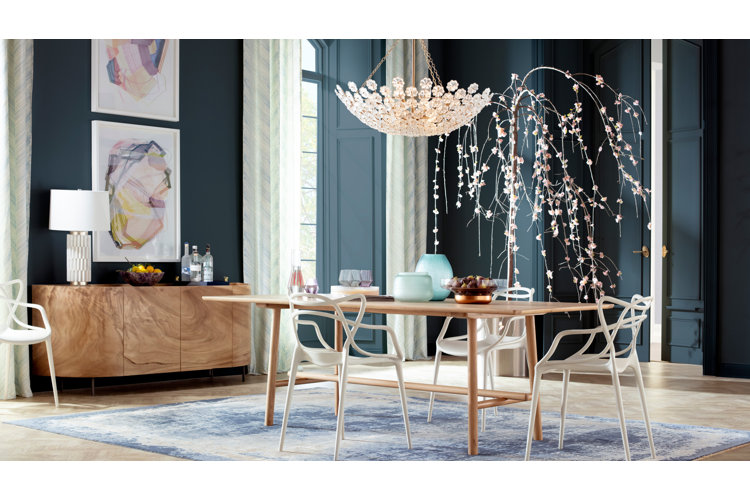
Home renovations are a practical way to spruce up your interior design and add greater functionality to your space. There are many efficient and eye-catching options when it comes to elevating your home design, from a new coat of paint to a finished workspace. Continue reading below to explore a few designer-inspired home renovation ideas.
Before You Begin: Home Renovation Tips
When planning a home renovation, it is important to develop and organize all of your design ideas before making any changes to your interior. This will help you determine what types of materials you will need, such as wallpaper rolls, tiling, or lighting fixtures. It will also give you a clearer sense of the overall style of your home and how you plan to complement each space.
Before starting, make sure that you have ordered and received the necessary materials as well. This will confirm that you have everything you need to maintain consistency in your design. If any materials are unavailable, you can substitute products beforehand without feeling rushed.
Home Renovation Ideas
1. Revamp Your Kitchen Sink
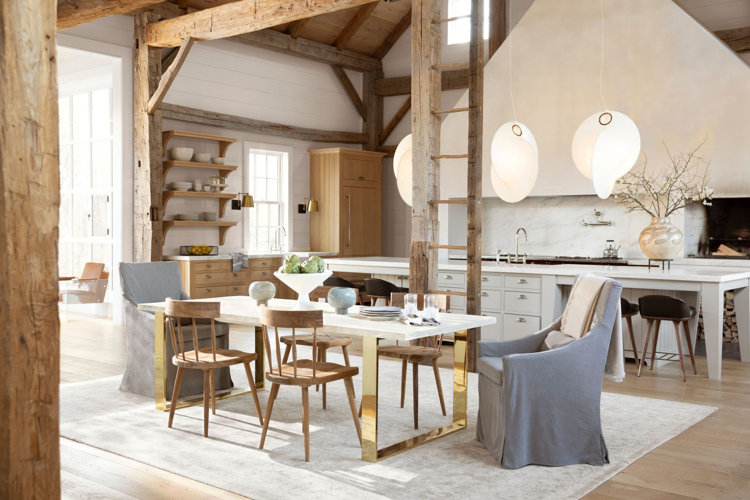
Upgrading your kitchen sink is a practical way to improve daily tasks like prepping food and washing dishes while enhancing the overall appearance of your space. Undermount sinks, which are installed below the countertop, have a streamlined design that maximizes counter space and provides more room for kitchen appliances. Undermount sinks are available in a number of materials that can easily complement any style, from traditional copper to modern stainless steel.
Drop-in sinks, which are inserted directly into the countertop, offer greater structural support for holding cookware. They are also available in heavier materials, like cast iron and granite, allowing you to choose a sink with a unique and durable polish that is resistant to rust and corrosion.
Farmhouse or apron sinks usually take up a significant portion of the counter due to their deep basin and exposed front. Their larger size makes it easier to soak and clean large pots and pans. The spacious design mitigates clutter, and the streamlined stone or ceramic materials complement rustic-style kitchens.
Pro Tip:
Read more about the different types of kitchen sinks, including features and materials, in Types of Kitchen Sinks: Revamp Your Kitchen Design.
2. Elevate Your Home Office
Transform an unfinished or unused room into a sophisticated and functional home office. Add furniture and decor that provides storage and a space to work. A solid-wood writing desk paired with a quality office chair is a simple way to anchor the office by giving it a clear focal point. Desks with darker wood tones, such as cherry, walnut, and mahogany, pair well with a traditional design, while lighter wood tones, like beech and pine, complement a modern or Scandinavian aesthetic. An ergonomic task chair with front-to-back adjustable armrests provides lumbar support for long work days and accommodates your personal comfort.
A bookcase helps organize your office materials and books. A geometric or floating bookcase adds an eclectic look to your workspace, while a standard bookcase with symmetrical shelving suits a traditional-style office.
In a home office, task lighting is crucial to make sure you have enough light while working. A floor lamp or table lamp in a bold color like yellow or burgundy uplifts any color scheme and offers necessary illumination for day-to-day tasks.
Round out your office with functional and stylish decor, like decorative baskets and bins to streamline your workflow. Create a grounding effect in your workspace by adding sensory details with florals or scented candles.
Pro Tip:
For more designer tips about decorating a home office, check out our guide Decorating an Office: A How-To Guide for Creating a Better Workspace.
3. Transform Your Bathtub
Freshen up your bathroom with a sophisticated bathtub for a relaxing ambience. Designers often start by considering which bathtub designs will complement the overall style of a home. The straight lines and minimalist style of rectangular and square tubs can streamline a bathroom, while the soft curves of a round or oval tub create a polished and elegant aesthetic. Corner tubs have a distinctive shape that create a spa-like atmosphere.
Bathtub materials can also make a sleek statement whether it is the traditional style of copper or cast iron or the contemporary look of a fiberglass or porcelain-enameled steel tub. For more information, read our guide How to Choose: Best Bathtub Materials.
When it comes to updating a bathtub, It is also important to consider your daily needs. Back-to-wall tubs are partially freestanding, meaning they allow for a shower system. A roll-top tub is freestanding and lacks sharp edges, making it easy to enter and exit the tub – especially for folks with limited mobility. Double-slipper and single-slipper tubs both have a sloped end that offers neck and back support as you recline.
Pro Tip:
To shop for bathtubs on-site by their design type, simply look for the Tub Design section under the Filters tab to select tubs by design.
4. Re-Tile Your Bathroom
Another way to reinvigorate your bathroom design is to add new tiles to your bathroom floor, walls, or shower. Tile is a multipurpose material that can help protect your walls and floors from both mildew and moisture. It is also readily available in multiple colors and patterns, creating the perfect opportunity to showcase your personal style.
When selecting tiles, make sure to consider the installation location inside your bathroom. Mosaic tiles are often used on shower floors because their grout lines provide grip support. They are also installed as accent tiles, which are mostly decorative and placed on walls or vanity backsplashes. Field tiles are an ideal choice for larger areas because they are available in bigger sizes, making them suitable for areas near the sink, toilet, and bathtub or shower.
When it comes to materials, ceramic and porcelain tiles are highly customizable choices for any aesthetic. Cement and natural stone tile are environmentally friendly, and their organic look suits any nature-inspired aesthetic.
Pro Tip:
Explore the different types of bathroom tile in Types of Bathroom Tiles: Curate Your Space.
5. Uplift a Guest Room With Wallpaper
Decorating a guest room is another opportunity to go bold with your home renovation ideas. Unique wallpaper is a simple way to transform your space and create an inviting atmosphere for visitors. To conjure up images of an intercontinental getaway, explore Moroccan-inspired patterns – think geometric staples like medallions or diamond shapes. For an understated look, a damask print or embossed wallpaper with shimmering foliage creates a polished appearance. For a soothing ambience, white bamboo wall paneling leans into the meditative aesthetic of Scandinavian design.
Although it is a transitional area, a foyer gives visitors the first impression of the rest of your home. Updating your entryway allows you to improve foot pathways and storage space as well as introduce a memorable style.
In terms of design, keep an eye on proportions to achieve a balanced visual layout that emphasizes comfort and elegance. Sleek lines and reflective materials add luster to the space, while faux florals and marble detailing keep the foyer looking bright and polished.
All furniture should also serve a purpose. An entryway bench or accent chair offers space to set your bags down while entering the house, while the entryway table showcases decor. Plush upholstery like velvet, leather, and suede chairs and benches feel luxurious and inviting. For a striking statement, a large mirror can make a foyer look more spacious and grand.
A renovated patio can open up your backyard and provide space to recharge in the outdoors. Whether it is relaxing under the warm afternoon sun or sharing cocktails with friends at night, a patio is the perfect place to elevate your home design.
Consider a coastal-style patio to create a soothing outdoor aesthetic that embraces the look and feel of a beach vacation. Lean into clean lines and the nature-inspired motifs of your choosing. A seaside-inspired color palette includes neutral base tones – like taupe, tan, white, and blue – as well as simple patterns and textures to add warmth and depth. Organic materials like rattan, jute, and sisal are another hallmark of coastal design.
Create a welcoming seating area with wicker lounge chairs or an outdoor sofa and pair the furniture with cushions in linen or cotton covers for a beachy atmosphere. Add a soft glow to your summer nights with copper hanging lanterns or a group of matte black pendants.
Ready to browse?
