90 Items

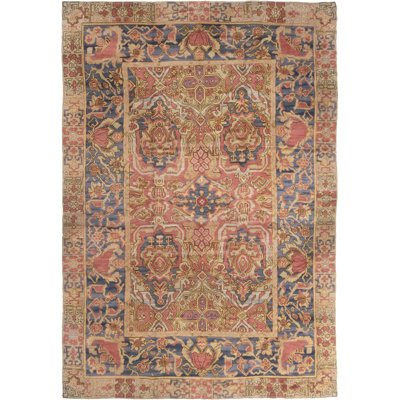
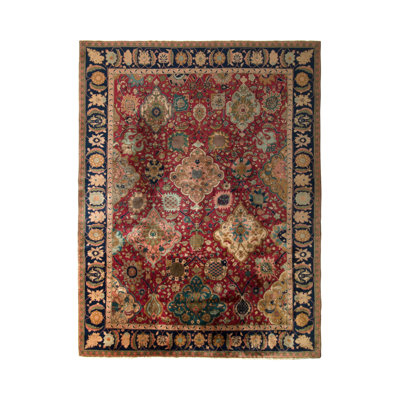
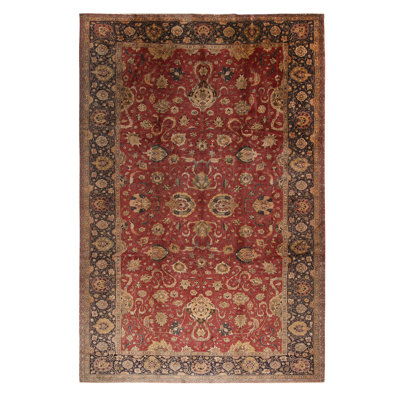
A rare 14×19 antique rug originating from India circa 1870-1880, among our oldest and most spacious oriental rugs. This hand-knotted wool rug connotes rare elements among antique Amritsar rugs and Agra rugs of numerous attractive distinctions. Further on the Design: It’s especially unique to see this refined graph and pallet of rich burgundy, beige-brown, and blue in near-palace size. Further enjoying exceptional beauty in the Herati patterns, thoughtful colorway movement, and quality condition for its origin and lineage. Iconic, collectible, and well suited in size to grand dining rooms, main living rooms, and similarly discerning projects.

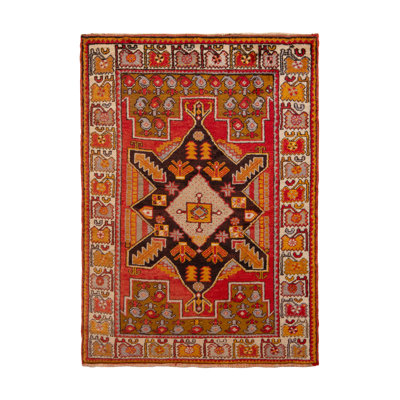
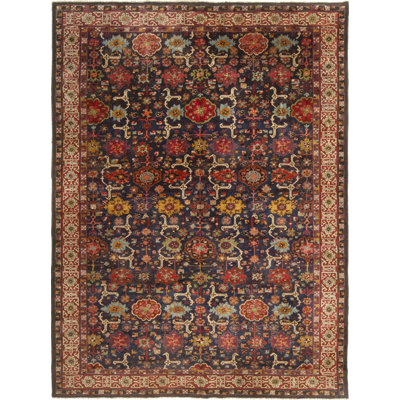
While this hand-knotted wool antique rug originates from Russia circa 1910-1920, the Kasai rug design draws its name from the Central African river region of influence in the pattern, as less widely known but remarkable tribal rug family with similar geometry to that of Kuba, Moroccan, and varied Turkish rugs of the same period. The Prevailing red and orange hues lend a natural complement via juxtaposition to the green and blue backgrounds, offering depth in turn to the medallion pattern and a natural gravity in play with the sense of movement surrounding. Meandering tribal borders radiate with more forgiving beige-brown hues, completing the classic look ideal to a traditional rug; a welcome area rug addition to our Antique & Vintage Rug Collection ideally suited for classic interiors and playing with rich furniture. About the Collection: Antique rugs have been in Josh’s resume since he began in the industry almost 40 years ago when he was already recognized for one of the largest oriental rug collections in the United States. Each piece in the internationally recognized volume was handpicked for rarity, and of course aesthetic and beauty, now complementing one of the widest varieties of the Persian rug and Turkish rug collections with the utmost attention to individuality and care. Because of Josh’s position in the wholesale rug industry he’s been responsible for promoting a number of collections throughout history, from breathtaking signature Tabriz, Sultanabad, Kerman Lavar, Agra, and Oushak classics to the more unsung jewels of the luxury industry. Vintage has also been synonymous with who we are since our beginning, particularly for our unparalleled Kilim collection, but with the rise of Mid Century collection the term vintage carpet has become very popular—especially exciting because often times many of the vintage carpets have also been treated, washed, dyed over, sheared, and modified—and has created a very successful category. We’re especially very proud of our vintage Kilims and Turkish rugs curated for our expansive collection of both area rugs and runners alike. Rug & Kilim maintains our own facilities for cleaning and restoration exclusively for carpets we’ve sold to ensure their lasting beauty and care long about a piece leaves our collection.

Hand-knotted originating circa 1910-1920, this antique rug connotes a rare rug pattern among the select additions to our collection, enjoying classic pallet colorways with engaging all remarking the celebrated elements of this ancestral style. On the design: This particular antique rug exemplifies this lineage’s renowned take on bold rug styles in its approach to a medallion pattern, juxtaposed gracefully with the dancing cloud patterns for a time-honored, cultured look promising distinction to the most discerning, regal projects. On the condition: Notable wear in the central medallion, select field, and corner spots.

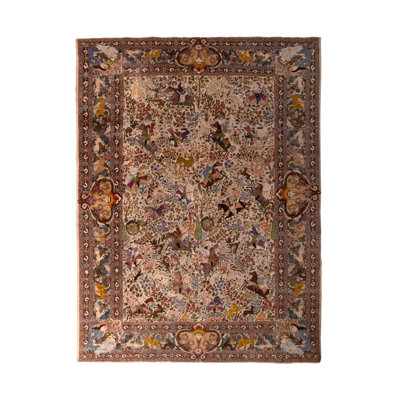
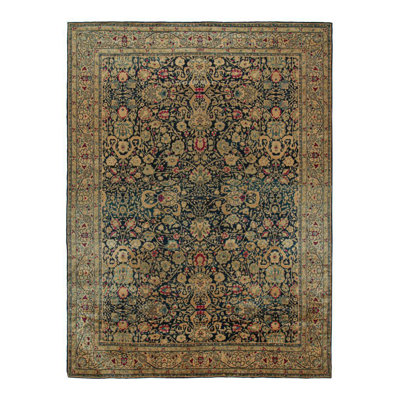
Hand knotted in wool and originating from the Tabriz region circa 1890-1900, this antique Persian rug employs a dramatic, intricate series of patterns unlike almost anything in our collection with this much emphasis on regal pictorial motifs—a rare and collectible new curation among the most unique of Rug & Kilim's curations from this provenance. On the Design:Most notably our team has seldom seen an antique Tabriz rug with this preference of depicting this combination of depicted lovers, soldiers, and animal pictorials, let alone prevailing in the border as the dominant motif as in this subtle homage to neoclassic cartouche patterns. The juxtaposition of these depictions with the more animal focused, less symmetrical pictorials—ranging from horseback warriors,, lions, stag and deer, and bird depictions creates an entirely unique sense of movement that draws the eye in such a pleasing allure. This apt control highlights the range of fabulously varied blue, pink, red, green, and gold colorway hues prevailing against the more forgiving beige-brown field and the likewise gentler tones of green in the floral patterns, all elements remarking a distinctive approach negotiating the sensibilities of both the European and Oriental rug market for an iconic Tabriz rug of this period. Connoisseurs will note the emphasis of contrasting subtexts of war and love depicted in the field and border respective, connoting a fascinating variety of cultural interpretations ranging from hunting, marital celebration, royalty, and religious allusions, let alone in this near pristine condition following a special wash from our colleague in Turkey—where the best techniques for maintaining a classic rug of this era are employed. Designers will further note the subtle cream and pink radiance in the beige colorway in considering this magnificent selection for projects welcoming opulence in an area rug. The spacious size, majestic nature, collectibility, and grand color scheme of this piece lend the ideal complement to a luxury dining room rug project, discerning living room projects, and even bedroom rug projects welcoming this masterful balance of richness and vibrance in a hand-made Persian rug.Condition:This antique Persian rug further enjoys good condition for its age and origin.

Originating from 18th century India, this antique traditional Oushak rug has an expansive series of floral and Jul imagery in a lustrous, hand-knotted wool portrait. featuring an especially unique colorway combination of bright sunset orange, beige, and blue, the wool and silk are skillfully woven the stylized blue silk outlines accent the beige and orange wool field designs, featuring finely woven Memling guys and geometric floral branches contained within a uniquely detailed multi border.
Fast Delivery
to:

Rug & Kilim
Handmade Antique Needlepoint Rug in Red with Medallion Floral Patterns Description: Handmade in wool originating from England circa 1910-1920, this antique rug connotes an early 20th Century needlepoint rug design, remarking one of the most beautiful traditions of craftsmanship in handmade rugs like that of this play of floral medallions against the rich red background. Further enjoying exceptional condition and a versatile gift size, suited to a variety of spaces seeking graceful sensibility and collectibility like that this antique needlepoint rug exudes.

Rug & Kilim
Originating from Turkey between 1880-1890, this antique Sparta rug enjoys a lightly distressed, hand-knotted wool pile throughout an all-over geometric-floral field design. Framed by a unique series of non-mirrored, wrapping brown flower scrolls and an ornate royal blue middle border with highly stylized imagery, the field design uniquely departs from the gentle, curvilinear patterns of the frame for a more finely woven geometric series of blue and beige lotus palmettes (symbolizing rebirth) within a medallion; further distinguished by deep blue branches and mirrored floral emblems against an abrash copper brown background.

Originating from Turkey between 1870-1880, this hand-knotted antique Sivas wool rug embraces both regal and agricultural elements balancing unique, beautiful turquoise and rich crimson red colorways with a luminous, subtly textural open field. The geometric vine scroll border patterns transitioning into the field spandrels elegantly frame the brighter beige field in a masterful emphasis on the garden and harvest themes at play in this rare traditional portrait.

This antique traditional rug has a distinct medallion-style field design surrounded by key eastern symbolism. The medallion field design features floral irises similar to pomegranates and chrysanthemums, accented by finely woven curvilinear motifs in the field. With pomegranate and chrysanthemum depictions symbolized plentiful bounty, fertility, and fortune, this is an interesting accent to the traditional design. Quick and easy to clean.

Rug & Kilim
Hand-knotted in high-quality wool and originating from Europe in 1950. This vintage mid-century circle rug enjoys an intricate Continental field design with golden-yellow, brown, and orange colorways, emboldened by eccentric geometric spaces seamlessly transitioning into its guard border.

Free 2-Day Delivery
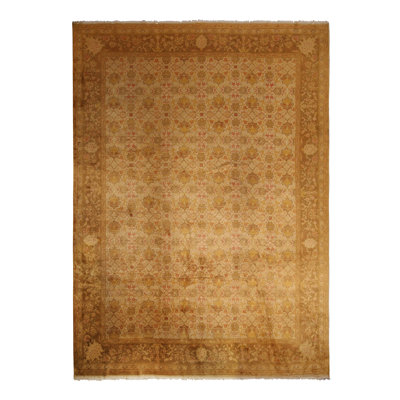
Hand-knotted originating from India circa 1870-1880, this antique rug connotes a traditional agra rug design enjoying a subtle european influence in the hypnotic, intricate field repetition and the subtle variation of warm and rich color—playing tastefully against in a refreshing take on the regal style of this celebrated handmade indian rug tradition. Further enjoying good condition for an antique rug of its age and lineage, with some spots of wear in the field somewhat subdued in these colorways.

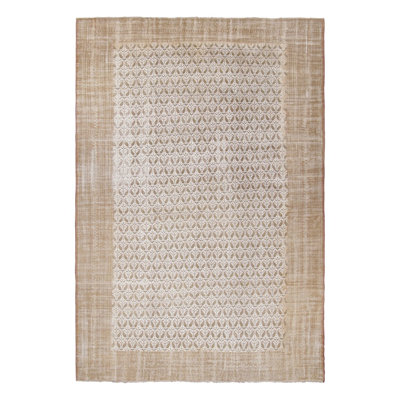
This 12x17 vintage rug is an exceptionally rare oversized carpet from one of the most special breeds of mid-century Pakistani weaving—the only one of its kind in this astounding size, made with hand-knotted wool circa 1950-1970. On the Design: This mid-century rug features one of the finest executions of the time-honored paisley motif for its period, let alone for its scale—enjoying hues of beige-brown with teal blue accents in a particularly fine repeat throughout the field. The brightness of color in this piece is another rare beauty, as its field is a crisp off-white, among one of the brightest natural whites ever seen in a classic and a natural complement in the positive-negative element it lends the teal, beige-brown, and red tones throughout field and border alike. Admirers of the craft will know paisley rugs to hold a special place in the most celebrated lineages of vintage and antique rugs, meant to exhibit a weaver's deft hand and skill in fine repetition. To wit, this rug's fabulous execution is all-the-more impressive considering its grand size; a regal, rustic treasure like few others.| Condition: This vintage palace rug has received a light wash and distressing in its field and border, both even throughout the piece and a natural complement to its design; a masterpiece in good condition, ready for the floor.

Rug & Kilim
Hand-knotted in Turkey originating between 1870-1880, this antique Oushak rug enjoys a subtle, luminous sheen to its quality wool body, accenting the rich autumnal gold, beige, and burgundy colorways further complimenting the very soothing transitional geometric-floral motifs in the field corners and wrapping border alike. The natural iridescence further compliments the tasteful abrash of the field and the overall excellent condition seen in this piece, hosting a very mild, natural-looking minimal wear consistent with age.

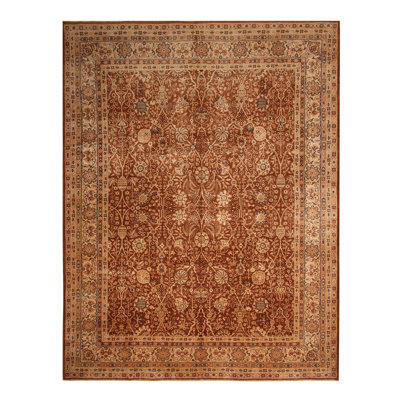
Hand-knotted in wool circa 1890-1900, this antique 11x12 Oushak rug is a rare turn-of-the-century piece from the latest curations by Rug & Kilim. On the Design: Connoisseurs will appreciate that Oushaks like this are among the most coveted curations in handmade rugs known today. This particular rug enjoys warm orange and brown hues with especially present, bright pink tones in its many accents. Keen eyes will further note the orientation of the field's floral patterns is a departure from more traditional all over floral patterns in Oushaks, and admire its unique beauty among transitional rugs of this period. Its construction is that of a silky, soft wool with a lush texture that plays fabulously with its inviting colors and feminine sensibility. This is an exemplary choice from Oushak rugs, both in their celebrated traits and its subtle distinctions that make it a one-of-a-kind carpet. Condition: This antique Oushak rug further enjoys good condition for its age and origin.

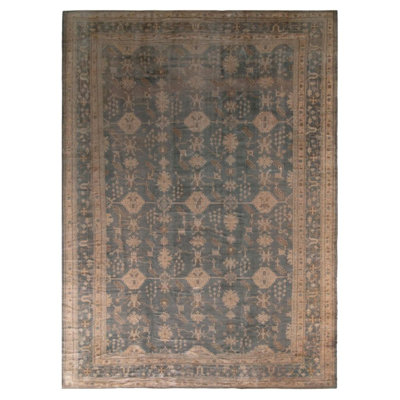
Hand-knotted in Turkey originating between 1870-1880, this antique Oushak wool rug features a distinguished, rare colorway of stone blue with notes of tan and grey in the field and border, presenting an entirely unique presentation of its classical geometric-floral design complementing a wider array of modern projects while still enjoying traditional appeal.

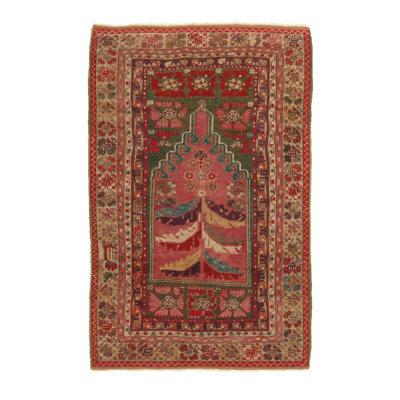
This antique traditional rug employs a seldom-seen abundance of various oriental symbols. Hand-knotted in high-quality material, the geometric field and border designs alike feature variations of the eight-pointed star (symbolizing the womb of the mother goddess). Complemented by a rich mihrab design with both patterns (representing flame and the universe) in the field and a wrapping series of blossoms in each of the borders, both the abundance of the eight-pointed star, as well as the rotating windmill patterns to its colorways, contribute to the distinct individuality of this piece.

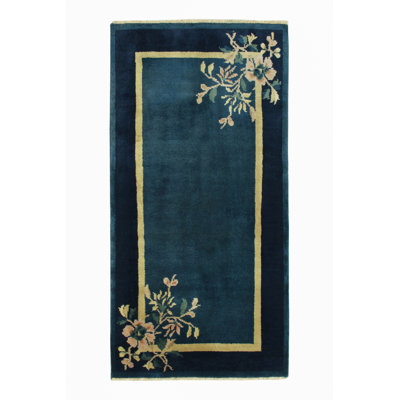
Enjoying blooming florals in teal, salmon & pastel yellow tones in the outer border, a Chinese Deco style vintage rug observing light-dark spots in blue tones connoting a very classic appeal of the 1920s. Further boasting a fine gold border demarcating the shades of blue for a neat open field. Quiet & sophisticated, a 2x4 hand-knotted piece with delicate fringes, well suited for an array of prestigious projects.Among Rug & Kilim’s earliest unique productions circa 1980-1990, unveiled as a collection for the first time as it enters its vintage tenure. All patterns in this line are available for custom rug designs in all colors and sizes upon enquiry.Custom Capable: Please note all custom orders are subject to a 3-day return policy upon receipt of the CAD, at which point a full refund may be honored. Yarn samples can be made available during the process on loom as well, subject to the 3-day window without prior approval of extension. All custom sales following the approved CAD are final without these exceptions.

Hand-knotted in high-quality wool originating from Turkey between 1870-1880, this antique Oushak wool rug presents an intriguing combination of gentility and regality in its subversive pattern and colorways. Featuring both masculine and feminine design elements in this intricate geometric-floral design, the bold and inviting pairing of russet red and beige hues plays beautifully with the distinguished, rare medallion field design overlapping the innermost borders. The rarity of Oushak pieces employing this distinct medallion pattern in tandem with a variety of rejuvenating designs lends this piece strength in decor and conversation, teeming with a body of rich history and quality.

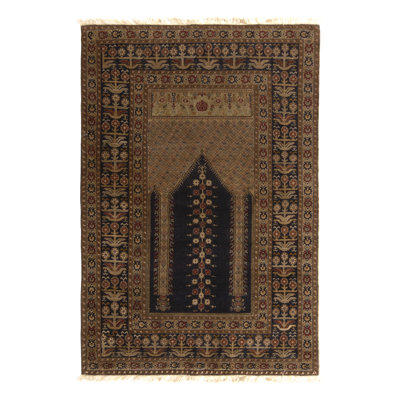
Hand-knotted with wool originating from Turkey between 1880-1890, this antique rug hails from the Ghiordes region of former Anatolia, renowned among Classic and traditional rug families for a history of craftsmanship. Employing the celebrated mihrab pattern in its central field, the play of the rich beige-brown with the distinct black background has a quiet regality, complemented both by the intricacy and the meticulous burgundy red floral coloration for a quiet but regal sense of movement and depth few pieces of this size boast; enjoying pristine condition for its age. Sometimes called the Niche design, the marriage of mihrab patterns with small-size rugs is a celebrated staple of some of the most sought-after Anatolian rugs, each variation of the pattern subtly individualistic spare for a variety of iconic, conversational design elemental like those of this idyllic rug. Connoisseurs will note the slight allusion to pomegranate imagery at the top of the mihrab pattern, a unique symbol more popular among Khotan Samarkand pieces of the era thought to symbolize abundance, fertility, and rejuvenate themes befitting the subtext of this piece.

Hand-knotted in high-quality wool originating from Turkey between 1880-1890. This antique Kayseri rug enjoys one of the most naturally luminous gold backgrounds, further accented by the sharpness of the chandelier's detail, the uniquely spacious series of borders in the chandelier/column motifs, and the balancing effect of beige and green borders matching the detail of the chandelier motif.

Hand-knotted antique polonaise rug description: originating from India circa 1890-1900, this antique rug connotes a transitional rug design, both celebrated among the most sought-after lineages of antique Indian rugs and seldom seen in this large size with such comfortable colorways. On the design: The subtle accent in the field and border brings out the curvaceous, graceful sense of movement this particular antique rug exemplifies among the renowned traits of its family; playing naturally with the equally subtle peach accent in the notes for a skillful negotiation between subdued beauty and intricate, elegant aesthetic. On the condition: In good condition, with only mild, muted wear in the field consistent with the age of this piece. Well suited in size and sensibility to main dining rooms, main living rooms, grand halls, and similarly discerning projects welcoming a near palace sized rug of this quality.

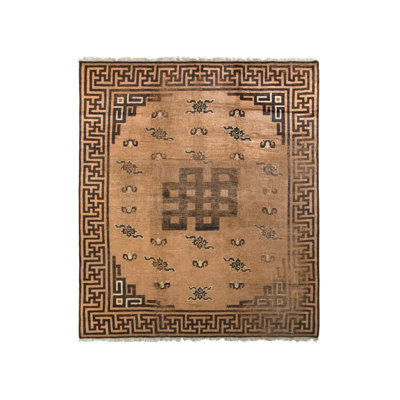
Hand-knotted in wool originating from Nepal circa 1910-1920, this antique rug connotes a rug design of particularly rich color and uncommon style, marrying both medallion and all-over pattern approach in a lustrous play with a more intriguing multitude of accenting colorways highlighting the intricacies of this rare piece.

Free 3-Day Delivery
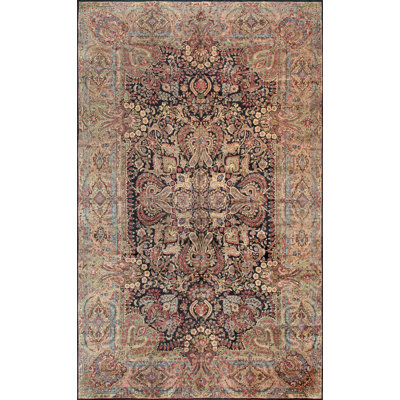
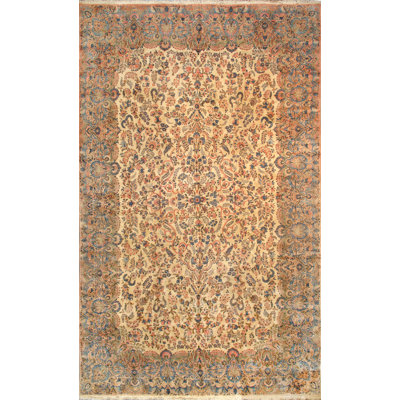
The Kerman rug of Persian-styled carpets is steeped in the finest antique rug-making traditions. Hand-knotted using the finest lamb's wool and shimmering with intricate floral motifs in a classic color palette, these rugs are the right choice for the grandest palace or the grand decor of your home. These rugs feature 100% premium lamb’s wool, hand-knotted into elegant designs, perfect for your elegant decor.

Hand-knotted in wool originating from Turkey circa 1910-1920, this antique rug connotes a transitional Kirsehir rug design, named for the titular tribal rug style birthing intricate beauties like that of this uncommon 3x5 sized Kirsehir rug of rich transitional colors. Rich red and gold prevail in the medallion pattern and geometric all-over pattern alike, sporting an array of both and floral motifs lending movement and character to a variety of interiors welcoming an antique Kirsehir rug of this good condition. On the pattern: the rarity of a deep brown, almost black medallion pattern in this style and size cannot go understated in attesting to the rare design this antique Kirsehir rug boasts.

A 13’4” x 15’4” English needlepoint rug from the 1920s joining Rug & Kilim’s antique and vintage collection. The rich piece witnesses a unique departure from traditional repetition complementing finely woven patterns seldom seen in this technique. Features a gorgeous floral pattern in orange, red & brown on a black backdrop, a stately and rich piece very exemplary of the period and origin.
classic selections, an antique Agra rug hand-knotted in wool circa 1890-1900. This well-drawn piece recaptures elaborate Shahrestan sensibilities, with floral patterns in beige-brown, blue, green and gold with red punctuations. A regal piece that boasts a rippling visual appeal, with gracious interpretation of Herati patterns.

Hand-knotted in Turkey (Purchased from Ireland) originating between 1880-1890, this antique Oushak wool rug enjoys near-pristine condition with very mild wear consistent with age. The uncommon, lively accents of deep red between the geometric-floral field patterns plays well off the radiant, warm beige-brown with notes of golden-brown in the colorway, dually lending the field a unique dimensionality and complimenting the rich, intricate border; an autumnal portrait lending rare notes of traditional and transitional design appeal to a variety of interiors.

This antique traditional Mahal wool rug from Rug & Kilim originates from India between 1910-1920 and bears a unique resemblance to many Shahrestan pieces in origin. Featuring both a large format and large drawing, like many Mahal pieces the wool is more finely woven than most oriental rugs. These royal blue and tan-gold colors have light patina and mild distress, though the curvilinear vine and leaf scroll patterns in the border are in pristine condition.

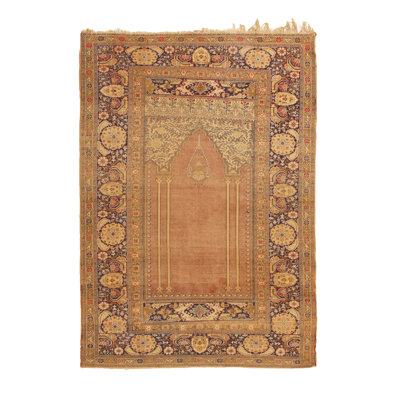
Enjoying hand-knotted wool originating from Turkey in 1900, this turn-of-the-century antique Kayseri rug utilizes one of the most distinguished, sharply woven mihrab gateway designs to complement its unique size and colorways. Featuring a bold series of expansive floral patterns in its mirrored and central borders, the marriage of beige, tea green, blue, and red accents perfectly frames the abashed pink background with finely outlined gateway motifs, believed to represent the path to paradise befitting a uniquely intricate portrait as this, standing out from many of its kind.

Hand-knotted originating from India between 1880-1890, this antique Amritsar wool rug enjoys a distinguished marriage of classic oriental elements with European influences, notable in both the grand soaring floral patterns (with highlights of English and French inspiration) and the traditional beige-brown colorway; a sought-after staple of many Amritsar pieces, though the remarkably subtle blue background of this rug’s field design offers a distinct rarity among this family of versatile antiques, appealing to a variety of interiors.

Hand-knotted in Turkey originating between 1880-1890, this antique Oushak rug presents a warm and dignified balance of rich and light tones matched only by the sharp symmetry of the exceptional, dimensionally inviting medallion design. The subtly abrashed background plays gracefully off the intricate geometric-floral motifs of the foreground, enjoying an appealing with uncommon peach accents; a marriage of interior appeal and rarity to complement a variety of traditional and transitional projects.

Hand-knotted in wool originating from Turkey circa 1900-1910, this antique floral Gordes rug enjoys the marriage of an unusual array of atypical elements from a bold black border, a distinctive European sensibility in its floral pattern, and the arresting juxtaposition of a more traditional Turkish border with the stylistically diverting field pattern. The rich crimson red background lends a natural depth to the lighter beige, blue, pink, and cream hues in the floral motifs, the variations of which complement the sense of movement in their rows lending a fresh complement to the meandering border’s classic feel; an ideal choice celebrating an idyllic European approach to interpreting Oriental rugs. About the Collection: Antique rugs have been in Josh’s resume since he began in the industry almost 40 years ago when he was already recognized for one of the largest oriental rug collections in the United States. Each piece in the internationally recognized volume was handpicked for rarity, and of course aesthetic and beauty, now complementing one of the widest varieties of the Persian rug and Turkish rug collections with the utmost attention to individuality and care. Because of Josh’s position in the wholesale rug industry he’s been responsible for promoting a number of collections throughout history, from breathtaking signature Tabriz, Sultanabad, Kerman Lavar, Agra, and Oushak classics to the more unsung jewels of the luxury industry. Vintage has also been synonymous with who we are since our beginning, particularly for our unparalleled Kilim collection, but with the rise of mid century collection the term vintage carpet has become very popular—especially exciting because often times many of the vintage carpets have also been treated, washed, dyed over, sheared, and modified—and has created a very successful category. We’re especially very proud of our vintage Kilims and Turkish rugs curated for our expansive collection of both area rugs and runners alike. Rug & Kilim maintains our own facilities for cleaning and restoration exclusively for carpets we’ve sold to ensure their lasting beauty and care long about a piece leaves our collection.

Free 3-Day Delivery
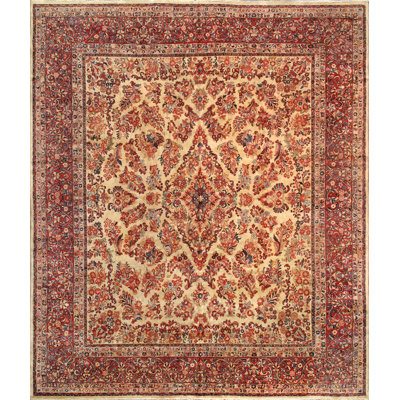
The Sarouk rug of Persian-styled carpets is steeped in the finest antique rug-making traditions. Hand-knotted using the finest lamb's wool and shimmering with intricate floral motifs in a classic color palette, these rugs are the right choice for the grandest palace or the grand décor of your home. These rugs feature 100% premium lamb’s wool, hand-knotted into elegant designs, perfect for your elegant decor.

Free 3-Day Delivery
The Kerman rug of Persian-styled carpets is steeped in the finest antique rug-making traditions. Hand-knotted using the finest lamb's wool and shimmering with intricate floral motifs in a classic color palette, these rugs are the right choice for the grandest palace or the grand decor for your home. These rugs feature 100% premium lamb’s wool, hand-knotted into elegant designs, perfect for your elegant decor.

An antique 9×15 Amritsar rug masterpiece joining the rug and kilim’s distinguished antique collection. Hand-knotted in wool from India circa 1920 - 1930, the rug celebrates the unique “jail rug” medallion style in elegant-yet-forgiving pink and beige-brown floral patterns. A distinctive style for its lineage, the marriage of a remarkable color palette and variation in detail lavishes this thoughtful piece with an idyllic charm. A magnificent gallery size, this artistic piece is an exemplary choice for libraries, entryways, wide hallways, and similar large spaces welcoming its uniquely quiet, regal nature. Further enjoying good condition for its age and lineage.

Woven Concepts
This is a one-of-a-kind vintage antique rug. This historic rug was woven between 1890 and 1950. Each has a contemporary flair for color, alongside their transitional and tribal patterns. Each rug was curated in the 1960s to be preserved as part of a private, now available for purchase.

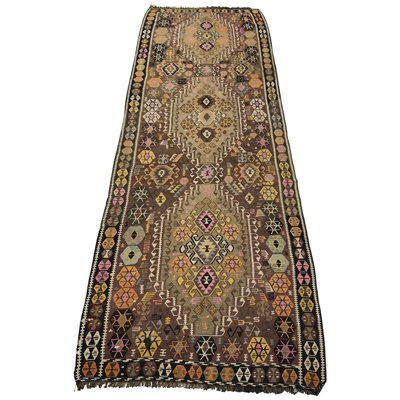
Hand-knotted in high-quality wool and originating from east Turkestan in 1920, this antique Khotan runner features a notably unique and subversive field design with horizontal medallion patterns. Uncommon to transitional Khotan designs typically favoring vertical and mirrored patterns, the salmon pink, cream, and royal blue colorways host a variety of floral designs in several trees of life patterns, symbolizing eternal life and beauty.

Hand-knotted in Turkey originating between 1890-1900, this antique Hereke wool rug enjoys the richest colorway complimenting a classically intricate pattern of floral lotus palmette motifs, a very gentle and elegant portrait of naturally dyed burgundy and beige brown with autumnal hues throughout this uncommon black border.

Hand-knotted in Turkey originating between 1880-1890, this antique Ghandahar wool rug enjoys a skillful variation among its artisan colorways, sharply implementing the lighter hues against the richer background to complement the visually striking intricacy of the floral pattern and the dimensionality it lends this piece; a gorgeous traditional complement to a variety of special interiors and projects.

Hand-knotted in high-quality wool originating from India in 1890, this antique Amritsar rug enjoys traditional elements of the Herati "fish" design in its field and highly stylized, symbolic lotus palmette border symbols (widely believed to represent rebirth). The themes of rejuvenation in the histories of both symbols complement the agricultural, beige-brown colorways, as well as the exceptionally regal, minimally distressed field lending this piece its ornate, individualistic beauty.