How to Choose the Best Rug Material
Add some functional beauty to your home redecoration.
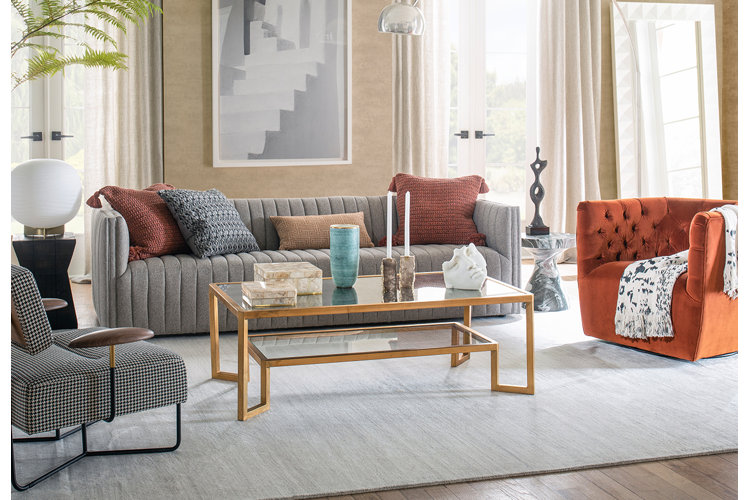
The material a rug is made from determines its durability, softess, and overall look, making it a core element to consider when shopping for a new rug. The best material for your rug depends on where you want to place it and the style you’re hoping to achieve . To start your search off right, we've rounded up the most common rug materials.
Types of Rug Materials
Natural Fibers
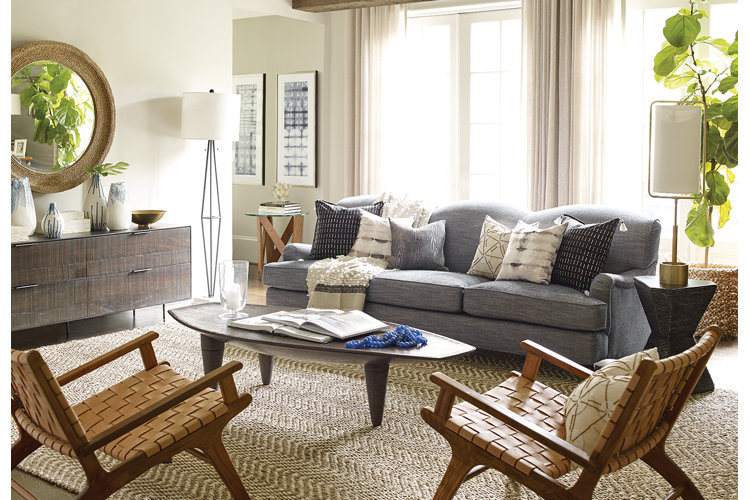
Wool
Soft wool fibers spring back when compressed, making these rugs ultra-durable and comfortable. They’re even stain-, dust-, and flame-resistant. Natural differences in color and texture add a rich visual depth to hand-knotted wool rugs, making them a favorite of design experts.
Cotton
Often flat woven, cotton rugs are fairly durable yet soft and can even be put in the washing machine. Lighter in feel and texture, cotton tends to have a more casual look, setting an airy tone in summer homes.
Silk
Silk is an incredibly strong fiber, meaning weavers can create fine, detailed patterns with very high knot counts. It also has a luxuriously soft feel and has a natural luster that reflects light, creating visually dynamic pieces. Silk rugs are prized for their unique look and feel, and require professional cleaning to maintain these extraordinary properties.
Jute & Sisal
These textured natural fiber rugs add a beautiful organic look to your space. Of the two, Sisal tends to be more durable and easy to maintain than jute, though jute is usually softer underfoot. Both materials are usually dyed with earth tones. Careful cleaning is recommended.
Bamboo Slat & Seagrass
All-natural and eco-friendly, these rugs are highly durable and water- and stain-resistant. Their texture is firm and doesn’t dye as well as other materials, so often are styled in nature-inspired spaces where their earthy finishes will enhance the overall look and feel.
Hemp
Resistant to dirt, water, and allergens, this material is inherently durable, which makes for hard-wearing rugs. Hemp rugs are good for high-traffic areas and homes with pets. In its natural state, hemp has a coppery tone, but it can be dyed and woven into many beautiful patterns. Though they may be course at first, this low-maintenance option will soften with use.
Polypropylene/Olefin
Vibrant, soft, and extremely durable, polypropylene (or olefin) rugs are stain-resistant, easy to clean, and can withstand indoor and outdoor weathering. The synthetic material mimics the look of natural fibers like sisal and wool.
Polyester
A good percentage of polyester carpets includes recycled materials, meaning they’re often an eco-friendly option. The material lends itself to bright patterns and colors like pinks and reds, because they will not fade over time. They are also soft underfoot, stain-resistant, and dry quickly after a spill, making them a great choice in high traffic areas or rooms that tend to be messier (like your kitchen).
Nylon
Nylon is one of the most common rug materials because of its versatility and durability. It has many similar properties as polyester. It is easily maintained and resistant to mold and mildew, and fibers can be refreshed easily. Even if they get matted with use, a simple steam cleaning can rejuvenate them.
Viscose
The man-made answer to silk, viscose rugs have a similar sleekness and smoothness. This non-static option is a good insulator, helping trap heat in winter. This artificial fiber has a color and texture comparable to materials like wool and silk, which is often difficult to achieve with other synthetic options.
Faux Fur
If you want to avoid decorating your home with real animal hide, thick, soft faux fur rugs made of acrylic fibers and suede are a good alternative. Though they get dirty easily, many can be machine washed.
Sheepskin
Sheepskin fibers are extremely breathable, creating a natural temperature control that stays cool in summer and warm in winter. Because of its lanolin, sheepskin is both soft and durable. These rugs will not shed, and are naturally hypoallergenic.
Cowhide & Leather
Each one of a kind, these unique rugs are statement makers in any space. They are extremely durable and stand up to wear. They are also naturally hypoallergenic and resist dust and mold, meaning they don’t require deep cleanings to maintain their beautiful look and feel over the years.
Area Rug Makes
Machine
Power Loom
Because they’re machine-made, power loom rugs make intricate, detailed patterns more easily and broadly accessible.
Handmade
Tufted
These detailed pile rugs are soft, textured, and quite durable at low pile heights.
Hand-Knotted
Meticulously made by professional weavers tying one individual knot at a time, these works of art take months to complete. Hand-knotted rugs are some of the most durable and intricate available, made to be passed on as future heirlooms.
Looped/Hooked
The threads of these rugs end in loops rather than tufts, so they tend to be firmer and denser than hand-tufted rugs.
Braided
Threads in braided rugs are woven tightly together, often concentrically, to create durable, firm, ridged mats.
Flatweave
Great for layering, these tightly woven, thin, flexible, and often reversible rugs can be found in countless bright colors and patterns. They’re extremely light, durable, and easy to clean. Traditional styles include, kilim, a Central Asian form of flat weaving that leaves a very small slit between each color block, and dhurrie, which are Indian floor covers.
Pile Heights
Pile height refers to a rug’s thickness. Typically, rugs with flatter piles are more durable and easier to clean than thicker rugs, while thicker rugs tend to feel cozier underfoot. For all rugs that will be near a doorway, make sure the pile is low enough that the door can open and close without getting stuck.
Flat Pile
(0” – 0.25”) Flat pile (or thin) rugs are often made of natural fibers and are incredibly durable. They can double as wall hangings because of their lightness.
Medium Pile
(0.25” – 0.75”) These unobtrusive rugs are great for giving a room a little texture without going overboard.
Thick Pile
(Over 0.75”) Thicker rugs are comfortable and warm, but harder to clean.
Shag
These thick, loose rugs stand out and are good for cozier room designs. They tend to require more careful upkeep.
High-Low
A combination of a flatter pile and a thicker pile often blocked by color or design creates compelling texture.
