Show Related CategoriesCategory
Creamers & Sugar Bowls
Fast Delivery
to:
Juliska
Haviland
MATCH
Nambé
VIETRI
19 Items

Rosenthal
3 Colors
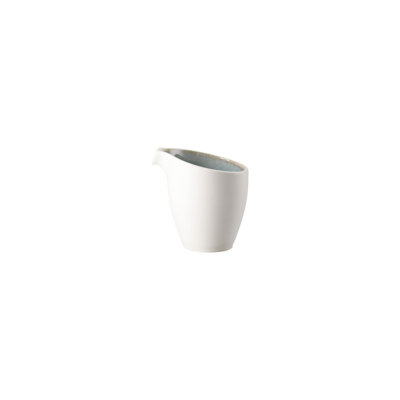
Eating together, having a good time and celebrating life – the Junto design innovatively and playfully brings together people and their love of good food from all over the world. A subtle fusion of fine porcelain, sumptuous ceramics and warm wood enables all manner of combinations for any cuisine. The fine porcelain features a delicate diamond relief. To provide an appropriate contrast to the fine porcelain, the collection also offers the major pieces as vibrant, earthy stoneware with a special reactive glaze.
Rosenthal
2 Colors
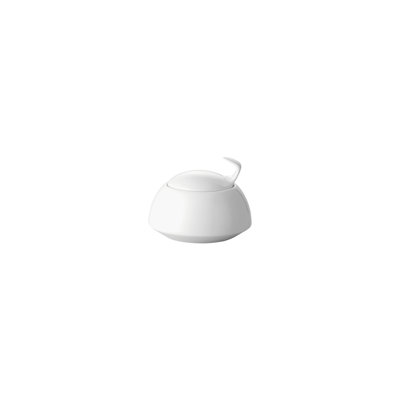
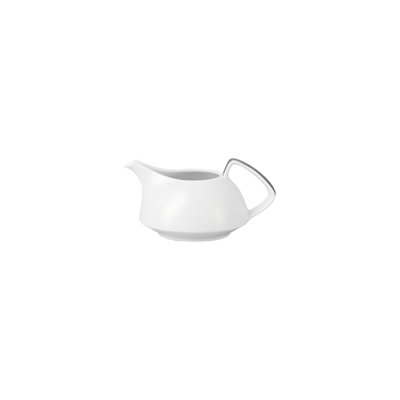
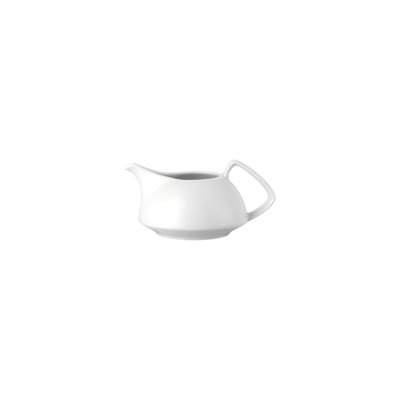
TAC 02 was created from Walter Gropius' unedited original designs. Purist design, based on simple geometric shapes, lends "TAC" a timeless poetry. Delicate ornamentation and stark black contrasts on the finest, slightly translucent porcelain emphasize the outstanding design features of this icon of Bauhaus design. TAC 02 offers a dinnerware, stemware and tea service collection. The TAC collection, which was created in 1969 and named after Gropius’ Boston office 'The Architects Collaborative’, is one of the most successful porcelain series in the world. Its minimalist design, the use of simple hemispheres for both pot and cups, and the playfulness of triangle and square shapes all remain true to Bauhaus tradition.
Rosenthal
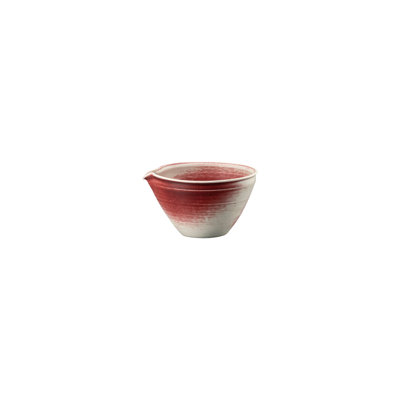
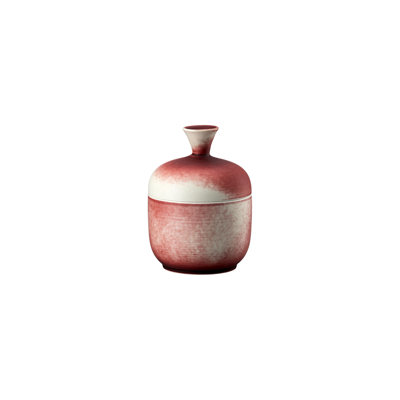
Flower shapes take centre stage in this new line from Rosenthal. Bowls and dishes are reminiscent of open hibiscus flower heads, while plates and cups are mostly puristically round. The Asian-inspired porcelain tableware collection. The irregularly applied, very matt coloured glaze gives the items the touch of handcrafted stoneware and makes each product unique. Special eye-catchers are a jar with a lid, bowls with a foot, a pourer, or small bowls in shapes inspired by nature. Simple, white glazed plates and cups, also partly in flower shapes, complete the line.
Rosenthal
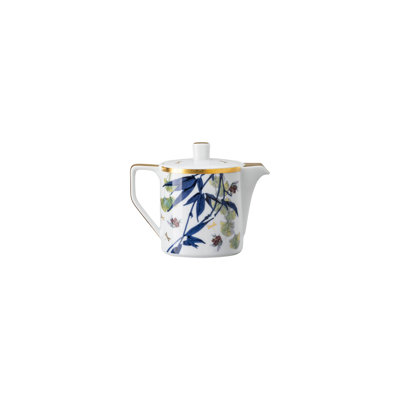
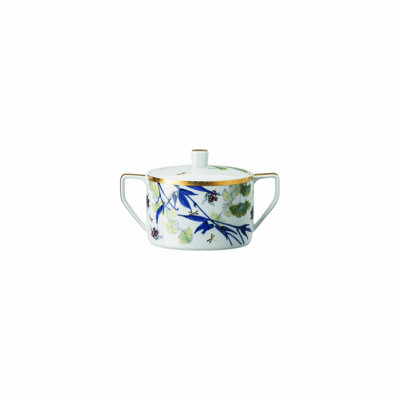
Inspired by the opera of the same name by Giacomo Puccini, the Turandot decor is an homage to the 18th-century chinoiseries, which already played an important role in the Rosenthal designs of the late 19th century. A lavish farandole of peony blossoms, bamboo, and ginkgo leaves in delicate colors meets golden dragonflies. The background for the poetic porcelain paintings is a white or dark blue background framed by a narrow gold rim. Gianni Cinti tells us that he had the idea for the complex decoration when he remembered a visit to the shore of West Lake in Hangzhou, China. The interweaving of Western and Eastern elements is emphasized by the extension of the collection to include elements of classical Chinese food culture such as rice and soup bowls, porcelain spoons, chopstick holders, and tea caddies.
Rosenthal
2 Colors
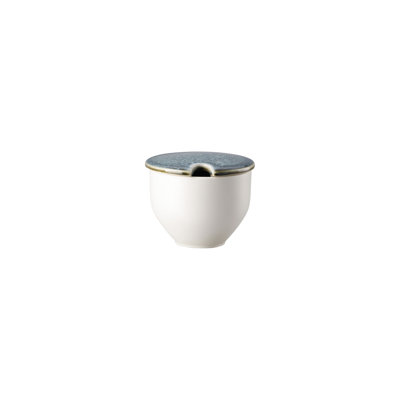
Eating together, having a good time and celebrating life – the Junto design innovatively and playfully brings together people and their love of good food from all over the world. A subtle fusion of fine porcelain, sumptuous ceramics and warm wood enables all manner of combinations for any cuisine. The fine porcelain features a delicate diamond relief. To provide an appropriate contrast to the fine porcelain, the collection also offers the major pieces as vibrant, earthy stoneware with a special reactive glaze.
Rosenthal
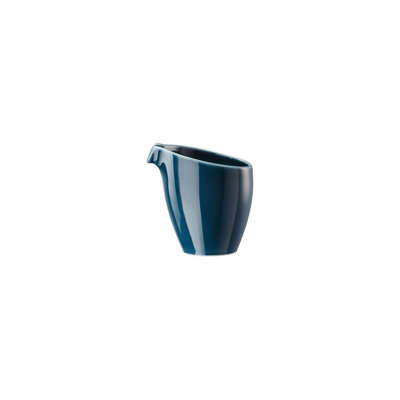
Smooth to the touch like a pebble that has been eroded by the tide – this is how Suomi feels. Designed for the studio line, it is the organic form combined with white porcelain and metal that makes this design so exciting. "I wanted to create a design that was timeless, brought joy, and conjured up memories over generations," the Finnish designer once stated in an explanation of his design. Suomi reflects a design tradition that effortlessly outlives the spirit of the times thanks to its clear and functional style.
Rosenthal
2 Colors
Eating together, having a good time and celebrating life – the Junto design innovatively and playfully brings together people and their love of good food from all over the world. A subtle fusion of fine porcelain, sumptuous ceramics and warm wood enables all manner of combinations for any cuisine. The fine porcelain features a delicate diamond relief. To provide an appropriate contrast to the fine porcelain, the collection also offers the major pieces as vibrant, earthy stoneware with a special reactive glaze.

Rosenthal
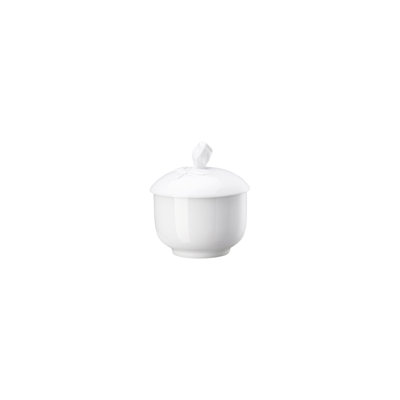
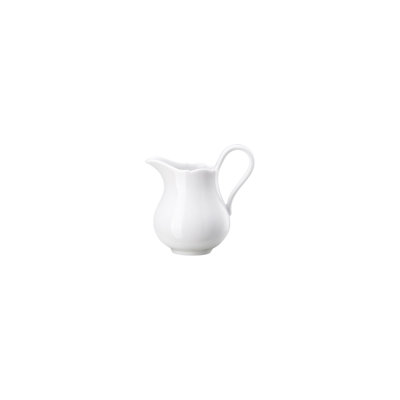
This creamer is from the "Maria Theresia" collection. Crafted from fine porcelain china, it embodies classic style with a touch of modern functionality. The footed design and integrated handle make it a graceful addition to your table, perfect for serving cream or milk. With a capacity of 5.5 oz., it’s just the right size for intimate gatherings. Plus, it's dishwasher safe, making cleanup a breeze after your elegant soirées.

Rosenthal
Eating together, having a good time and celebrating life – the Junto design innovatively and playfully brings together people and their love of good food from all over the world. A subtle fusion of fine porcelain, sumptuous ceramics and warm wood enables all manner of combinations for any cuisine. The fine porcelain features a delicate diamond relief. To provide an appropriate contrast to the fine porcelain, the collection also offers the major pieces as vibrant, earthy stoneware with a special reactive glaze.

Rosenthal
2 Colors
The TAC collection, an icon of Bauhaus design and developed by Walter Gropius, TAC skin sold is a graphic design in elegant gold. Sophisticated multiple finishing techniques give the flat pieces a fine relief structure, while top-quality screen-printed decoration gives hollow pieces such as the teapot a smooth, matte surface. Small overlapping leaves form a golden mosaic that sometimes extends across the entire surface of the plate and other times appears only as a contour adorning the edges. The new design therefore picks up on the theme of structure and contrast already visible in Gropius' original design and enhances the distinctive styling of the timeless classic that is among Rosenthal's best-selling tableware series.

Rosenthal
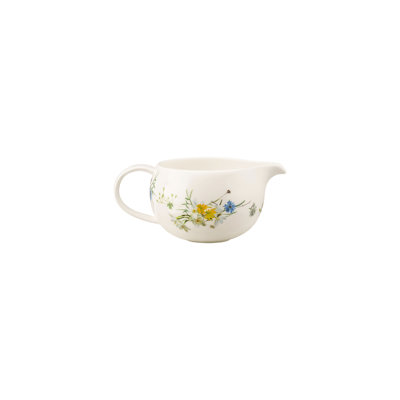
The design for Fleurs Sauvages draws on the sensations of blooming flowers, the humming of insects, delicate leaves, and cool grass to give the overall impression of a walk in a summer’s paradise. Inspired by the glorious harmony of the different plants in a flower meadow, Swiss textile designer Regula Stüdli came up with an arrangement of wildflowers and intricate twigs, scattered haphazardly and in striking contrast to the green leaves and white blossoms.

Rosenthal
Every day brings new ideas, new opportunities, and new potential. In keeping with this spirit, Mesh – the modern dining collection from Rosenthal – lends a whole new meaning to the word "exibility" and succeeds in the art of effortlessly merging the seemingly contradictory. More than basic pieces can be combined and mixed as the mood takes you. The perfect interplay between soft and hard edges along with the delicate, stylish relief pattern lend the collection its unique character.

Rosenthal
The design for Fleurs Sauvages draws on the sensations of blooming flowers, the humming of insects, delicate leaves, and cool grass to give the overall impression of a walk in a summer’s paradise. Inspired by the glorious harmony of the different plants in a flower meadow, Swiss textile designer Regula Stüdli came up with an arrangement of wildflowers and intricate twigs, scattered haphazardly and in striking contrast to the green leaves and white blossoms.

Rosenthal
TAC 02 was created from Walter Gropius' unedited original designs. Purist design, based on simple geometric shapes, lends "TAC" a timeless poetry. Delicate ornamentation and stark black contrasts on the finest, slightly translucent porcelain emphasize the outstanding design features of this icon of Bauhaus design. TAC 02 offers a dinnerware, stemware and tea service collection. The TAC collection, which was created in 1969 and named after Gropius’ Boston office 'The Architects Collaborative’, is one of the most successful porcelain series in the world. Its minimalist design, the use of simple hemispheres for both pot and cups, and the playfulness of triangle and square shapes all remain true to Bauhaus tradition.

Rosenthal
The diverse landscape of the Alps and mountain pastures have fascinated Regula Stüdli since her childhood. Plants in bright yellow and blue, and with a high degree of resilience, used to greet her on her hikes up to the greatest heights. Inspired by this spectacular natural experience, the vibrant yet graceful flower decor was created, combining the beauty of the columbine, Alpine crocus, and Star of Bethlehem with delicate leaves and twigs.

Rosenthal
Inspired by the opera of the same name by Giacomo Puccini, the Turandot decor is an homage to the 18th-century chinoiseries, which already played an important role in the Rosenthal designs of the late 19th century. A lavish farandole of peony blossoms, bamboo, and ginkgo leaves in delicate colors meets golden dragonflies. The background for the poetic porcelain paintings is a white or dark blue background framed by a narrow gold rim. Gianni Cinti tells us that he had the idea for the complex decoration when he remembered a visit to the shore of West Lake in Hangzhou, China. The interweaving of Western and Eastern elements is emphasized by the extension of the collection to include elements of classical Chinese food culture such as rice and soup bowls, porcelain spoons, chopstick holders, and tea caddies.

Rosenthal
Flower shapes take centre stage in this new line from Rosenthal. Bowls and dishes are reminiscent of open hibiscus flower heads, while plates and cups are mostly puristically round. The Asian-inspired porcelain tableware collection. The irregularly applied, very matt coloured glaze gives the items the touch of handcrafted stoneware and makes each product unique. Special eye-catchers are a jar with a lid, bowls with a foot, a pourer, or small bowls in shapes inspired by nature. Simple, white glazed plates and cups, also partly in flower shapes, complete the line.

Rosenthal
The TAC collection, an icon of Bauhaus design and developed by Walter Gropius, TAC Skin is a graphic design in elegant. Sophisticated multiple finishing techniques give the flat pieces a fine relief structure, while top-quality screen-printed decoration gives hollow pieces such as the teapot a smooth, matte surface. Small overlapping leaves form a mosaic that sometimes extends across the entire surface of the plate and other times appears only as a contour adorning the edges. The new design therefore picks up on the theme of structure and contrast already visible in Gropius' original design and enhances the distinctive styling of the timeless classic that is among Rosenthal's best-selling tableware series.

Rosenthal
The "Maria Theresia" service is the epitome of classic style.