Wood Furniture Types & Finishes Glossary
We define the characteristics and colors of furniture woods and wood finishes.
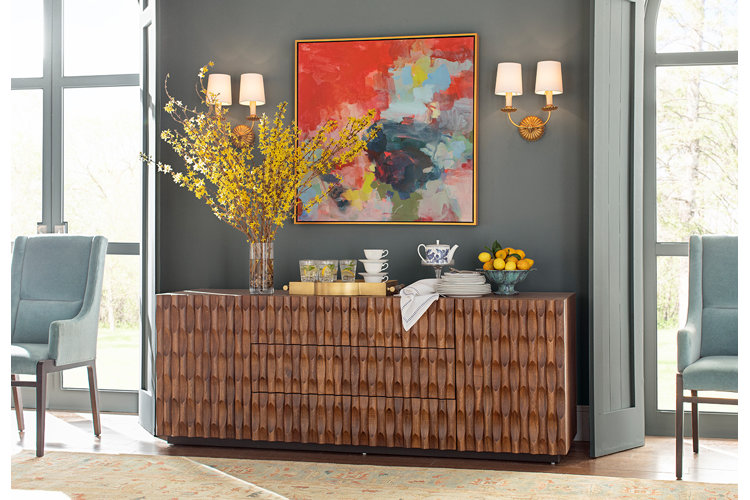
Wood furniture knows no style boundaries and is designed in everything, from ornate, traditional styles to sleek, modern styles. Beyond construction, the look of wood furniture can vary even further depending on the wood type and wood finish. In this guide, we’ve covered the basics of the many colors and types of wood for furniture and wood finishes.
Types of Wood for Furniture
There are two different categories of natural wood used for furniture: hardwood and softwood. The first step in choosing the best wood for furniture in your home is to decide which category suits you best based on its characteristics.
Hardwood
Hardwood comes from deciduous trees that shed their leaves in the winter and protect their seeds with either a hard shell or a cushiony fruit – that’s where the term hardwood comes from. Hardwood isn’t always the harder wood, but it is denser and more porous than softwood. Typically, hardwoods are sturdy and durable, so furniture is commonly made from them.
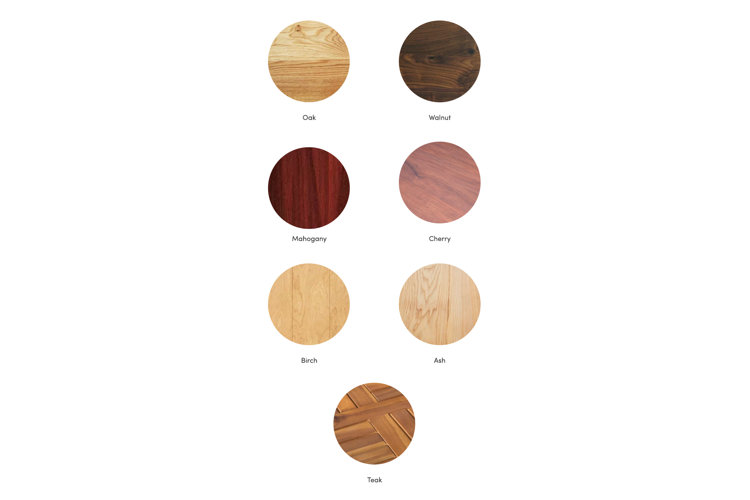
Oak: Commonly used in furniture, oak has two main variations: red and white. White oak is a gray-brown color, while red oak has a reddish cast with a gray-brown color. Because of its strength and beautiful grain, oak is often used in solid wood furniture and veneers.
Walnut: Traditionally used in fine furniture (like cabinets), walnut is also often used in veneers. Walnut is chocolate brown with dark or purplish streaks.
Mahogany: As one of the most treasured woods, mahogany is a mainstay in fine furniture. This high-quality wood has a reddish brown to deep red coloring.
Cherry: Often used in fine furniture, cherry is a coveted hardwood. It takes stains and finishes easily and ages beautifully. Cherrywood comes in reddish-brown hues from moderately light to very dark.
Birch (yellow birch): This is a common hardwood used in all types of furniture. Birch is a light yellow-brown in color, and has a uniquely wavy grain.
Ash (white ash): With a pale wood color, ash is a tough hardwood. It is extremely flexible without losing its strength, so it is often found in bent and curved furniture.
Teak: Weather-resistant teak is commonly used for outdoor furniture like chaises and patio dining sets as well as in shower accents like mats and stools. The color of teak varies from a golden brown to a dark brown.
There are many more hardwood types than the popular options above, including pecan, hickory, rosewood, aspen, poplar, alder, gumwood, and beech.
Softwood
Lighter in weight and usually in color, softwood furniture tends to be slightly less durable than hardwood. However, because softwood species are faster growing, they require less land so tend to be a more renewable resource. They also have greater workability and are useful in a broader range of applications.
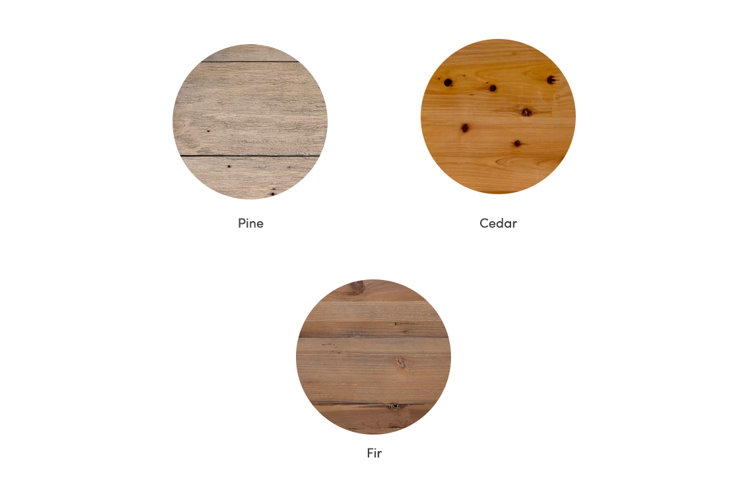
Pine: The primary wood used in unfinished furniture, the light natural color of pine takes stains well and therefore is versatile when it comes to matching with the rest of your home decor. Pine often has knots and clearly marked growth rings, creating a recognizable grain.
Cedar: A softwood that is mostly used in closets, armoires, chests, and dressers, cedar is a light reddish color with wavy streaks and dark knots. Cedar has a distinctive scent that is effective in repelling insects, especially moths.
Fir: The hardest of the softwoods, fir is as strong and durable as cherry and softer maple woods. Fir furniture comes in light orange to pale reddish brown hues and has an attractive, tight grain that looks like hairline stripes.
Types of Wood Finishes
Stain: Wood stains are typically made of a pigment, a liquid pigment carrier, and a binder (often resin) that helps the stain adhere to the wood. Stains are available in a wide variety of colors that can enhance the grain of the wood.
Dye: Wood dye and stain are similar in their range of color, but unlike wood stain, wood dye penetrates deep into the wood to color not just the surface, but the wood flesh itself. Dyes are usually made from a powdered pigment and a solvent and do not require a binding agent. Dye is better for denser wood types.
Oil: Wood naturally produces oils, but they may dry out over time. Oil finishes reinvigorate the look and feel of wood furniture. Typically, oils enhance and darken the natural colors of wood.
Varnish: One of the toughest finishes, varnish is resistant to impact, heat, abrasion, water, and alcohol. It is usually composed of an oil, a resin, and a solvent. Varnish gives the wood a clear, glossy finish and is typically applied after stains or dyes.
Shellac: Derived from an insect wax found in southeast Asia, shellac is a nontoxic glaze for furniture that is available in many colors. It typically finishes glossy.
Wax: Only applied to furniture once the wood has been thoroughly sanded, filled, and sealed, wax finishes are water-resistant. A wax finish is lusterless and will leave a wood piece looking natural and soft.Wax is more practical for some climates than others: It may not respond well to heat, causing it to need frequent maintenance.
Resin: Unlike other surface finishes, resin soaks in and hardens the wood's individual fibers. Resin-treated wood often has a natural, almost unfinished look and is able to withstand heavy wear. Resin can be clear or colored.
Lacquer: This thin, protective finish is applied in many sprayed-on layers. Lacquer can have many sheen levels from matte to high gloss.
Liming, Pickling & Whitewashing: All three create a white effect on wood, giving it a rustic, weathered appearance. This look is achieved by applying a lime mixture, bleach, or white stain or paint to the wood.
Paint: Often found on country-, cottage-, or coastal-style furniture, paint adds an old-fashioned charm to wooden pieces. It comes in almost any color imaginable and is completely opaque – obscuring the natural coloring of wood.
Veneers: Veneers are created by bonding a thin layer of fine, decorative wood to the face of furniture. Veneers can be applied in patterns to add visual interest to a piece.
