60 Items
Bokara Rug Co., Inc.
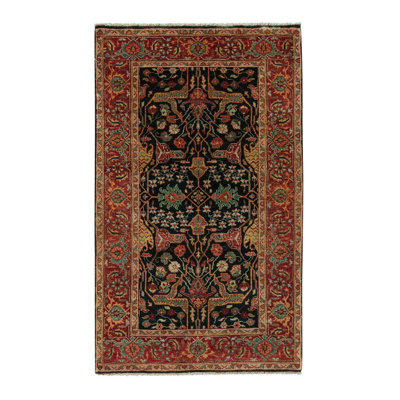
A luxurious rug design, hand-knotted using the finest of materials to create a look and feel that will enhance any room.

Free 3-Day Delivery
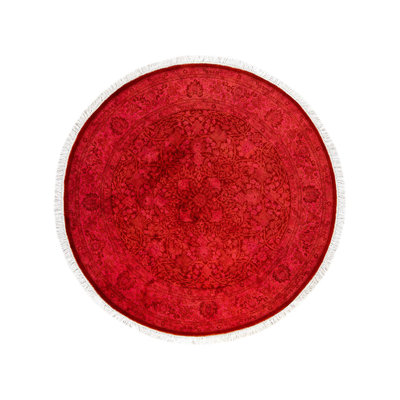
Over-dyed area rugs are created by taking vintage or traditional rugs and applying a vibrant, monochromatic dye over the existing patterns. This technique results in a bold, modern aesthetic while preserving the intricate designs beneath, blending the old with the new. The rugs are often faded and distressed before dyeing, which adds texture and depth to their appearance. The over-dye process breathes new life into worn or antique rugs, giving them a contemporary twist with rich, saturated colors like deep blues, purples, or bright reds. These rugs work well in both eclectic and modern spaces, offering a unique, artistic flair to any room. They provide a dynamic focal point, balancing between traditional craftsmanship and contemporary design trends. Over-dyed rugs are perfect for those looking to add a pop of color and character to their home decor.
Free 3-Day Delivery
Vibrance rugs epitomize classic with a twist: traditional patterns overdyed in brilliant color. Each hand-knotted rug is washed in a 100%-natural botanical dye that reveals hidden nuances in the designs. These are rugs that transcend trends, and their sturdy construction ensures that they'll withstand years of heavy traffic.

Bokara Rug Co., Inc.
The inspiration for this collection comes from 16th-century Indian carpet weavers, who created the most beautiful carpets for the Royal Courts of the Mogul Emperors. Based on authentic oriental designs and handwoven in the traditional style.
I didn't want to buy this good a rug for the intended use. And yet I kept coming back to look at it. It was the perfect size, color mix, and thickness to use under the metal wheels of my 100 year old oak table. The wheels were marking my wood floor. It's a beautiful, substantial, and well-made rug. It's looks great, and I'm happy I splurged.. Mary. Kewaunee, WI. Wed Jun 05 2019

Free 3-Day Delivery
Vibrance rugs epitomize classic with a twist: traditional patterns overdyed in brilliant color. Each hand-knotted rug is washed in a 100%-natural botanical dye that reveals hidden nuances in the designs. These are rugs that transcend trends, and their sturdy construction ensures that they'll withstand years of heavy traffic.
Free 3-Day Delivery
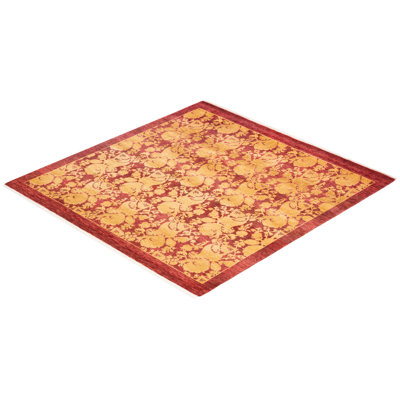
With understated palettes and all-over designs, these rugs in the Mogul collection will bring timeless sophistication to any room. Influenced by a spectrum of Turkish, Indian, and Persian designs, our artisans who hand-knotted these wool rugs imbue craftsmanship and enduring traditions into every piece.
Fast Delivery
to:
Bokara Rug Co., Inc.
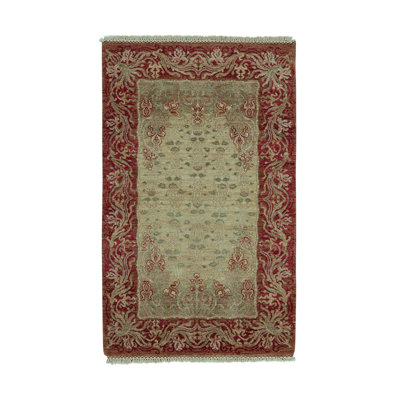
A luxurious rug design, hand-knotted using the finest materials to create a look and feel that will enhance any room.
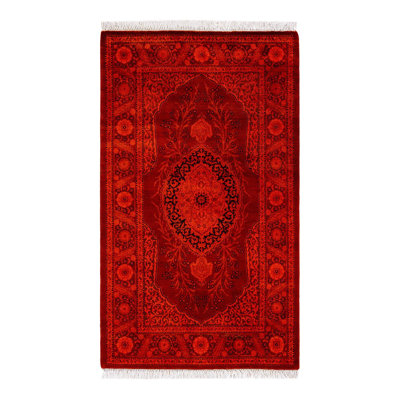
Free 3-Day Delivery
Vibrance rugs epitomize classic with a twist: traditional patterns overdyed in brilliant color. Each hand-knotted rug is washed in a 100%-natural botanical dye that reveals hidden nuances in the designs. These are rugs that transcend trends, and their sturdy construction ensures that they'll withstand years of heavy traffic.
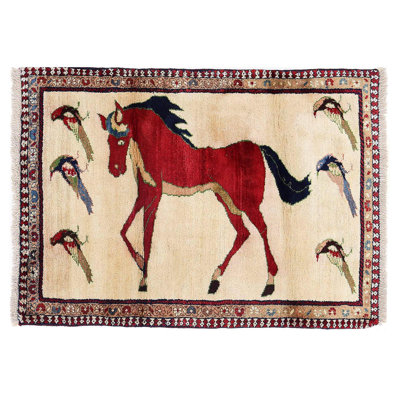
Free 3-Day Delivery
In the Iranian Province of Fars, small villages around the city of Shiraz constantly carpet-weave. Carpets from Shiraz resemble the common grandeur of all Persian rugs; however, because of the diverse nature of Shiraz due to events such as migration, rugs from Shiraz are occasionally similar to those from Qashqai, Khamseh, Basseri, Afshar, Abadeh and Luri. Regardless, Shiraz carpets still retain a sense of originality and distinctiveness since nearly all of them are handmade as opposed to being made commercially in factories. They are large, often coarse, use a fixed loom, possess symmetrical knots

Free 3-Day Delivery
With understated palettes and all-over designs, these rugs in the Mogul collection will bring timeless sophistication to any room. Influenced by a spectrum of Turkish, Indian, and Persian designs, our artisans who hand-knotted the wool rugs imbue craftsmanship and enduring traditions into every piece.
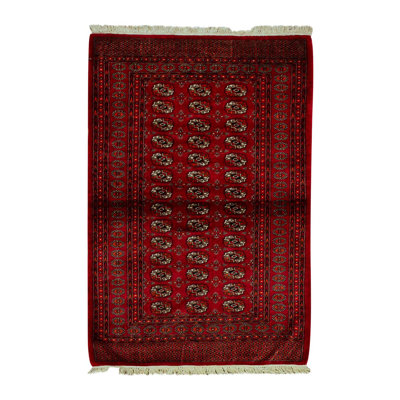
Bokara Rug Co., Inc.
A luxurious rug design, hand-knotted using the finest of material to create a look and feel that will enhance any room.
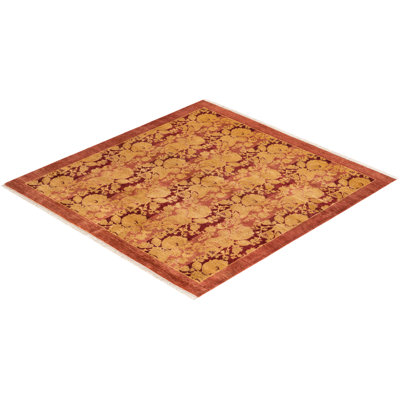
Free 3-Day Delivery
With understated palettes and all-over designs, these rugs in the Mogul collection will bring timeless sophistication to any room. Influenced by a spectrum of Turkish, Indian, and Persian designs, the artisans who handweave these wool rugs imbue craftsmanship and enduring traditions into every piece.
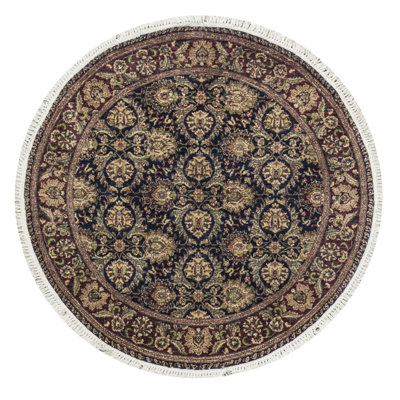
Bokara Rug Co., Inc.
This collection is based on antique Oriental rug design but uses a contemporary color palette. The main characteristic of these rugs is the noticeable abrash (color change), a new technique of weaving between two color hues, which imparts an antique look. Handwoven in China with a very high knot count and using only the finest wools, the result is the character of an heirloom rug with the resilience of a new one. With a very high knot count of approximately 240 knots per square inch, and using only the finest wools from New Zealand and Mongolia, the result is the character of an heirloom rug with the resilience of a new one.
Rug & Kilim
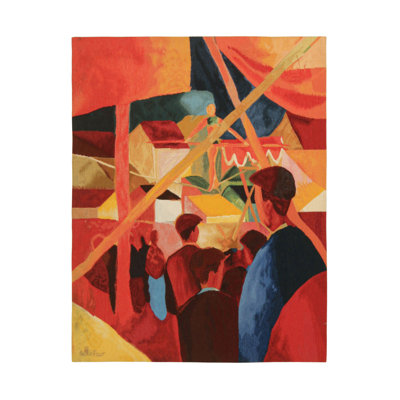
Handwoven in wool and originating from France circa 1950-1960, this 3x4 vintage tapestry is a signed collectible from the Aubusson adaptations of works by German artist August Macke—this particular design entitled “Tightrope Walker”. On the Design:An embodiment of expressionist verve, this Macke original depicts a scene of a tightrope walker performing in a circus for a group of onlookers. The warm, saturated hues of orange, brown, and yellow are particularly evocative in their intense, non-naturalist use, and have been coupled with a sharp geometric approach to construct the pictorials. Admirers of the craft will especially enjoy the fabulous life and richness this tapestry has to it, perfectly capturing painterly sensibilities and an avant-gardist approach to artworks. Condition:This tapestry further enjoys great condition for its age and origin—an extremely collectible work. Ideally for exclusive use in wall-hanging projects and similar applications.

Bokara Rug Co., Inc.
This collection is based on antique Oriental rug design but uses a contemporary color palette. The main characteristic of these rugs is the noticeable abrash (color change), a new technique of weaving between two color hues, which imparts an antique look. Handwoven in China with a very high knot count and using only the finest wools, the result is the character of an heirloom rug with the resilience of a new one. With a very high knot count of approximately 240 knots per square inch, and using only the finest wools from New Zealand and Mongolia, the result is the character of an heirloom rug with the resilience of a new one.
This is a beautiful well made rug. The colors are perfect.. Peggy. PA. Mon Mar 23 2020

Free 3-Day Delivery
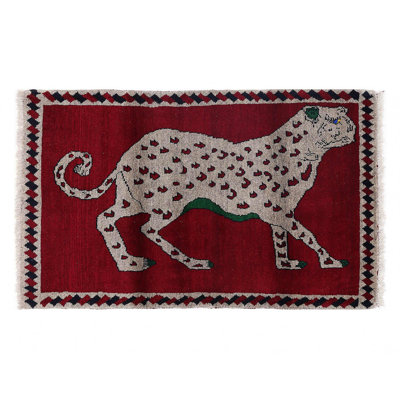
This Persian Qashqai Lion carpet measures 3' x 3'11" and features a Kashkouli style weave. Highlighting the powerful imagery of a prowling Lion, the carpet's central motif features a cream lion atop a rich red background. Utilizing the contrasting hues between the light cream and the red background, weavers designated the alternating tones to depict depth and detailing for the lion's mane, paws, ears, and tail. Furthermore, the eye of the lion and torso detailing, completed in dark indigo, adds character to the lion. Surrounding the big cat is a simple and colorful border featuring tribal flowers and a repetitive dogtooth border. Adding life to the geometric flowers, green, gold, orange, red, and cream wool detail the exterior with dark indigo outlining each motif. Considering this Qashqai's unique design, what truly separates this carpet from other transitional pieces comes down to its hand-knotted construction.
OAKRugs by Chelsea
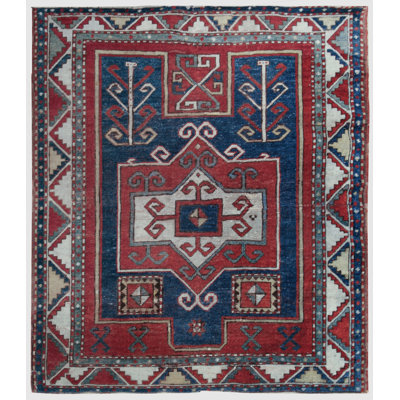
This artisan handwoven vintage masterpiece, made in Caucasia, is truly a part of history. Its strong foundation allows it to survive the tests of time, growing more and more beautiful with age. A unique patina of wear over the years makes it truly one of a kind, meant to be enjoyed for many more years.
Nalbandian
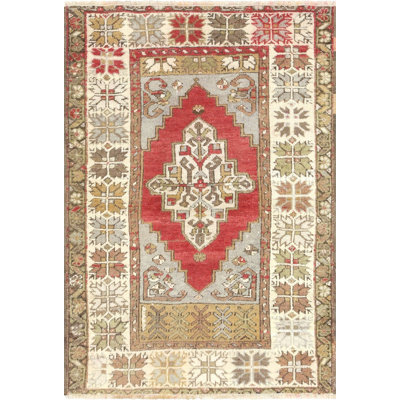
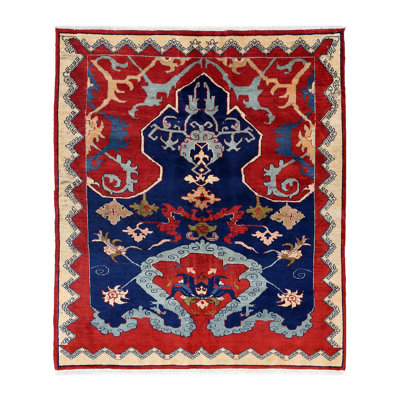
The Anatolian plateau is where the weaving of oriental carpets originated. Rich in tradition and pride, each of the villages of the area produced a certain design and colors that the neighbors rarely copied. These antiques were largely illustrated in historical European paintings. Their bold geometrical designs and soft colors made them favorites of interior designers.
Free 3-Day Delivery
Antique Persian Isfahan Rug, Country of Origin / Rug Type: Persia, Circa date: 1920 – Antique Persian Isfahan rugs are some of the most beautiful and delicate in the world, and this one is simply breathtaking. The Persian rug weavers of Isfahan have a history that goes back several centuries. They are known for creating good quality area rugs with a high level of detail and designs are both graceful and elegant. This Isfahan rug is an excellent example of their work and the fine craftsmanship for which they are known. Isfahan artists are known for their brilliant red backgrounds and striking Persian blues. The city is home to a skilled dye-works production that allowed them to use an impressive range of colors for their creations. Isfahan was once home to the famous carpet schools that were established during the 16th century to produce magnificent Persian rugs for the courts of the Safavid Dynasty. The now antique rugs were designed to show the wealth and skill of the dynasty. It was during this time when many of the classic designs and motifs that we still enjoy today were created. This rug was created in the 1920s and is in the classical Isfahan style. Its elegant scroll work and beautiful garden theme is a style that accentuated Art Deco-style homes throughout Europe and the USA. Now, this same design fits well into a traditional room or modern Grand Millennial style. The Oriental rugs from Persia are always a perfect complement to Boho Chic styles and rooms that need a splash of color and elegance.

Pasargad NY
Free 3-Day Delivery
Beautiful and Finely Woven Persian Kashan Rug, Country Of Origin: Persia, this inscribed Semi antique Persian carpet features an incomparable medallion-and-pendant cartoon spread over an immense palace-sized field. The distinctive offered composition focuses on a superb ovel medallion embellished with re-curving calyces and undulating ribbons. An expanse of spiraling vine-scrolls adorns the fiery brick-colored ground that encircles the stunning medallion and cuts into the decorative inner borders, which are filled with a lush network of millennium forests that complement the superlative borders. Ogival arches and ornamental niches give the regal composition an architectural formality infused with Persian geometry. The expansive field of this beautiful Semi antique Persian Kashan rug is framed by outstanding flower head borders that are drawn with an extraordinary level of finesse and detail. Subtle color changes, minute outlines and expert compositional details exaggerate the extreme beauty of this rug from Kashan.

Free 3-Day Delivery
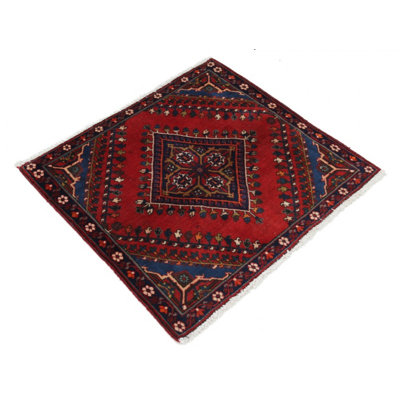
Around the city of Kerman in the southeast of Iran reside the semi-nomads from the Afshar tribe. For hundreds of years, these nomads lived in the northwest of Iran, but a part of the tribe was compulsorily transferred to today's area, where carpet manufacturing became an important branch of business. The carpets have red and blue color tones and mostly geometrical patterns. The most common pattern contains a large center piece with one or more squared medallions, some say that this symbolizes a hide stretched for preparation. Today, medallions also occur and are typical of the Afshar carpets as they are also relatively wide in relation to their length. In the nearby city of Shahr Babak, similar carpets are manufactured, with a higher density and with more detailed patterns. Afshar carpets are also known on the market under the name of Srdjan.
Free 3-Day Delivery
Although small and inconspicuous, Joshagan is among the most important weaving centers in all of former Persia. Located a hundred and forty kilometers north of Esfahan, Joshagan, also called Maymeh, is the place boasting the longest continuous tradition of weaving high-quality woolen carpets. Joshagan rugs are made of the finest wool on the cotton foundation with the application of the asymmetrical Persian knot resulting in an exceptionally durable and tender pile which is a sheer pleasure to look at and to walk on. They are available in a wide variety of sizes, from small to larger pieces, however, the vast majority of them can be found in the medium-size range. Joshagan rugs, just like Bakhtiari rugs, constitute the essence of the top-notch Persian craftsmanship which is not as well-known as creations from Tabriz or Kerman yet intriguing and absolutely one-of-a-kind. When seeking a traditional, high-quality Persian rug, antique Joshagan rugs exemplify tradition, beauty, and workmanship in every way. These rugs often serve as some of the oldest examples of Persian tapestry in the world, and tapestries generally become more valuable over time. These high quality rugs serve as a tangible demonstration of the history and culture of Persian rug creation.

Kilims and hand-knotted rugs without the pile. Knotted by tightly interweaving the warp and weft strands to produce a flat surface with no pile. Generally knotted on horizontal looms, this technique produces crisp geometrical designs. Being lighter in weight and softer to the touch than traditional pile carpets, Kilims were also used as sofa covers, drapes, pillows, table covers, and wall hangings as tapestries and insulation from the extreme cold.
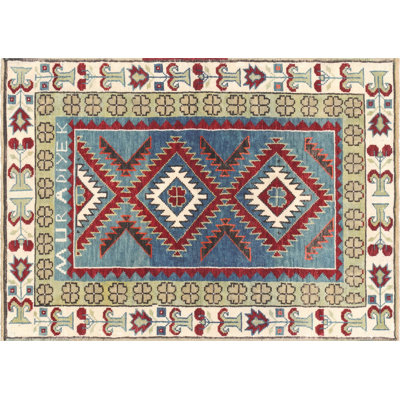
The Anatolian plateau is where the weaving of oriental carpets originated. Rich in tradition and pride, each of the villages of the area produced a certain design and colors that the neighbors rarely copied. These Antiques were largely illustrated in historical European paintings. Their bold geometrical designs and soft colors made them favorites of interior designers.

Pasargad NY
Free 3-Day Delivery
Thanks to its origin the carpet has been crafted in the most traditional craftsmanship over months of handicraft. With its geometric design patterns this type of Persian rug re-gained a high popularity during the past years. With a pile height of 0.39 in and a knot density of 129 - 161 / square inch the carpet has been crafted to an extraordinary high level of quality and robustness. Nomads used natural dyes for the colors of this carpet made from Wool. It is in perfect condition. You are going to be very fond of this unique piece of highest craftsmanship
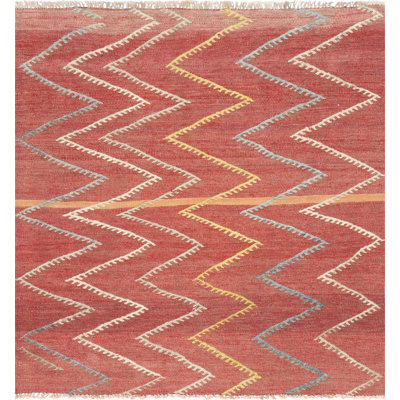
Kilims and hand-knotted rugs without the pile. Knotted by tightly interweaving the warp and weft strands to produce a flat surface with no pile. Generally knotted on horizontal looms, this technique produces crisp geometrical designs. Being lighter in weight and softer to the touch than traditional pile carpets, Kilims were also used as sofa covers, drapes, pillows, table covers, and wall hangings as tapestries and insulation from the extreme cold.
Pasargad NY
Free 3-Day Delivery
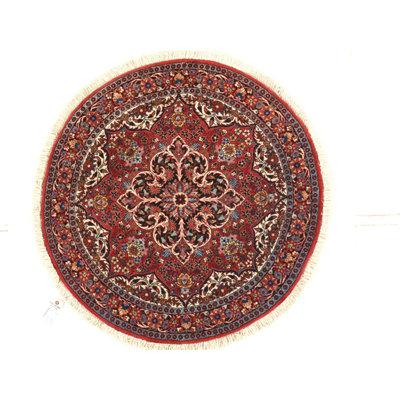
Bidjar is a town in Kurdistan located in north-west . The Bidjar name is also used to describe the antique rugs that were produced in the many villages in the surrounding vicinity. The Bidjar is noted as being the stiffest carpet made; they are very heavy in relation to their size, and very thick and durable. All of the knots are symmetrical and the rows are beaten down during the weaving process producing a dense compact fabric. Given their thickness and construction Bidjar rugs can be difficult to fold. The many designs depict the Kurdish influence of the area and often floral and classical geometric motifs are employed as well as the use of large, whimsical medallion designs. The color palate is rich and jewel toned making the Bidjar a highly desirable rug sought after by designers.

Free 3-Day Delivery
Bidjar is a town in Persian Kurdistan located in north-west Persia. The Bidjar name is also used to describe the antique rugs that were produced in the many villages in the surrounding vicinity. The Bidjar is noted as being the stiffest carpet made; they are very heavy in relation to their size, and very thick and durable. All of the knots are symmetrical and the rows are beaten down during the weaving process producing a dense compact fabric. Given their thickness and construction Bidjar rugs can be difficult to fold. The many designs depict the Kurdish influence of the area and often floral and classical geometric motifs are employed as well as the use of large, whimsical medallion designs. The color palate is rich and jewel toned making the Bidjar a highly desirable rug sought after by designers.

Made with handwoven wool circa 1950-1960, this 4x4 vintage square flat-weave Sofreh Kilim is a particularly dramatic and sought-after work of an exciting new curation from Rug & Kilim’s collection of classic kilims and flatweaves.On the Design:This bold, traditional Sofreh is a striking study in contrast, allowing a powerful field of color to be framed by geometric intensity. The center is a minimalist open field of rich, pulsating burgundy and deep wine, exhibiting beautiful abrash where the color shifts naturally and draws the eye inward.This expansive color is contained by a dramatic, graphic frame of charcoal black borders featuring large, striking saw-tooth serrations. This tribal motif serves as a visual tension, suggesting mountains or protective arrows guarding the central calm. The deep palette and simplified structure are characteristic of classic Sofreh pieces, offering the gravity and depth of a traditional masterpiece in a versatile, contemporary square format. The piece is a pure expression of tribal art, where the beauty lies in the tension between the reserved field and the energetic borders.Condition:This vintage kilim further enjoys good condition for its age and lineage.
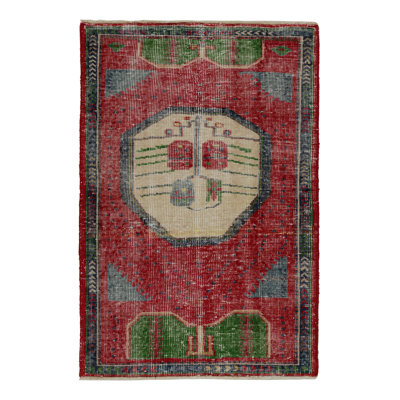
Hand-knotted in wool, circa 1950-1960, this 3’X4’ vintage Oushak tribal rug large-scale geometric patterns is an exciting addition to our Mid-Century Pasha Collection. On the Design: Originating from Turkey, this vintage Oushak tribal rug is an addition to our Mid-Century Pasha Collection, as artistry of a lesser-known Turkish artist. Keen eyes will admire the large-scale geometric patterns in blue, green and beige adorning the entire red surface. The geometric patterns with a tribal sensibility brings a historical allure to the design, making it a captivating statement for any space. Condition:This mid-century rug further enjoys good condition for its age and origin. Its pile has been lowered, which lends it the look of distress in the texture.

Hand woven in Turkey originating between 1950-1960. This vintage mid-century kilim rug enjoys a Soumak style weave thicker and more durable than a typical kilim, a fine complement to the classic play of crimson red and blue as well as the crisp white juxtaposing the traditional portrait. The versatile size lends itself both to flooring and wall hanging projects, as does the time-honored repetition of the celebrated diamond and ram's horn patterns (widely believed to be protective symbols in varied nomadic Oriental cultures).
Free 3-Day Delivery
In the Iranian Province of Fars, small villages around the city of Shiraz constantly carpet-weave. Carpets from Shiraz resemble the common grandeur of all Persian rugs; however, because of the diverse nature of Shiraz due to events such as migration, rugs from Shiraz are occasionally similar to those from Qashqai, Khamseh, Basseri, Afshar, Abadeh and Luri. Regardless, Shiraz carpets still retain a sense of originality and distinctiveness since nearly all of them are handmade as opposed to being made commercially in factories. They are large, often coarse, use a fixed loom, possess symmetrical knots.

Free 3-Day Delivery
The story of the woman at the well is one of the most iconic encounters in the Bible. Told in John 4:1-42, it depicts how , traveling through Samaria on the way to Galilee, sat down at a well in the town of Sychar. There, around noon, while His disciples were in town buying food, He encountered a Samaritan woman coming to draw water from the well. He asked her for a drink, and their talk took off from there — culminating in her salvation and many more from her town, too. We are told a few key facts about this woman. While her name was never revealed, we know she was female and a Samaritan, a race with whom Jews did not associate, as Scripture explains. We know she had had five husbands, and the man she had currently was not her husband. We also know, from understanding cultural and historical traditions of that time, that women typically drew water in groups in the morning, and it was often a social occasion. The fact that she was drawing water alone, at midday, probably indicates she was a social outcast.

Tulu loosely translates into "Hairy" and is hand-knotted with lustrous and soft Angora hair on wool kilims. Nomadic tribes making their way through central Asia used Tulus as blankets to keep warm during the winter freeze on the high plains of the Anatolian plateau, and as mattresses to provide warmth and comfort. Today, with their saturated colors and bold geometric designs, these tribal works of art have become a must-have as an accent piece in a contemporary setting.

Free 3-Day Delivery
Bidjar is a town in Persian Kurdistan located in north-west Persia. The Bidjar name is also used to describe the antique rugs that were produced in the many villages in the surrounding vicinity. The Bidjar is noted as being the stiffest carpet made; they are very heavy in relation to their size, and very thick and durable. All of the knots are symmetrical and the rows are beaten down during the weaving process producing a dense compact fabric. Given their thickness and construction Bidjar rugs can be difficult to fold. The many designs depict the Kurdish influence of the area and often floral and classical geometric motifs are employed as well as the use of large, whimsical medallion designs. The color palate is rich and jewel toned making the Bidjar a highly desirable rug sought after by designers.
Rug & Kilim
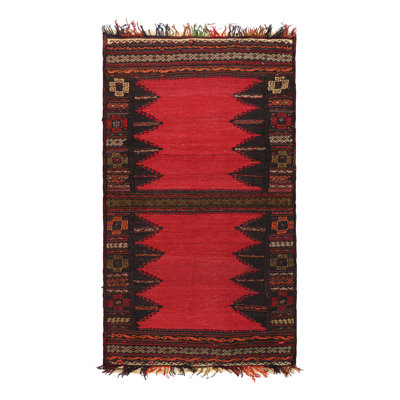
Handwoven in wool, circa 1950-1960, this 2×4 vintaGe AfGhan tribal kilim, is a collectible tribal piece that may have been used as table covers in nomadic daily life, much similar to Persian sofreh Kilims.On the DesiGn: DrawinG on AfGhan tribal sensibilities, this archaic piece of art exhibitinG an old-world charm has a construction that is especially formidable amonG kilims, and it’s aGed beautifully in kind. As a likely table runner, this AfGhan’s construction is especially formidable amonG flatweaves, and it’s aGed beautifully in kind. DrawinG on Baluch tribal sensibilities, this archaic piece of art exhibitinG an old-world charm, features a polychromatic colorway. Connoisseurs may further admire the subtle sense of movement that its color variations lend the Geometry—a subdued, but intriGuinG departure from traditional area ruGs of its period. It’s a fine play of rustic Geometric motifs and stripes in a reserved, sophisticated manner, and its size offers vast desiGn applications, makinG it well suited to wall-hanGinG tapestry projects and other decorative purposes.Condition: This vintaGe AfGhan tribal kilim enjoys Good condition for its aGe and oriGin. It is a very collectible piece, ready for the floor and size is also well suited to wall-hanGinG tapestry projects and other decorative purposes.

Free 3-Day Delivery
In the Iranian Province of Fars, small villages around the city of Shiraz constantly carpet-weave. Carpets from Shiraz resemble the common grandeur of all Persian rugs; however, because of the diverse nature of Shiraz due to events such as migration, rugs from Shiraz are occasionally similar to those from Qashqai, Khamseh, Basseri, Afshar, Abadeh and Luri. Regardless, Shiraz carpets still retain a sense of originality and distinctiveness since nearly all of them are handmade as opposed to being made commercially in factories. They are large, often coarse, use a fixed loom, possess symmetrical knots

This is an antique one-of-a-kind 3'2" x 4'4" Rectangle rug, hand knotted in wool in Turkmenistan before 1900. Antique Turkmen - Hatchli Caucasus Knotted Rug, Circa Date: 1880s. This exceptional example of antique rugs originates from the nomadic tribes of the Transcaspian region, displaying the rigorous geometry and deep red coloration prized by collectors. Its specific structure, characterized by the cruciform division of the central field, identifies it as a classic hatchli , a highly symbolic format traditionally used as a tent door covering or a prayer rug. The rich, saturated ground color is a hallmark of high-quality 19th-century Turkmen weaving, featuring a deep red tone that registers beautifully among red color rugs . This intense field is segmented into the classic four-quarter design, delineated by crisp borders that contrast sharply with the prevailing red tones. While the central field is highly structured by the Hatchli format, the surrounding elements and borders employ a dense, interlocking system of geometric guls and stepped motifs, giving the overall composition the feeling of an allover rugs pattern when viewed from a distance. The main border features serrated, stylized leaf forms and chevrons, providing dynamic movement against the static central panel. Woven entirely from hand-spun wool and colored with natural dyes, this piece retains remarkable integrity and patina consistent with its age. Given its dimensions, typical for nomadic weavings of this function, it is perfectly suited for use among small scatter size rugs , adding a powerful piece of red textile history to a focused collection or intimate space.

Free 3-Day Delivery
Bidjar is a town in Persian Kurdistan located in north-west Persia. The Bidjar name is also used to describe the antique rugs that were produced in the many villages in the surrounding vicinity. The Bidjar is noted as being the stiffest carpet made; they are very heavy in relation to their size, and very thick and durable. All of the knots are symmetrical and the rows are beaten down during the weaving process producing a dense compact fabric. Given their thickness and construction Bidjar rugs can be difficult to fold. The many designs depict the Kurdish influence of the area and often floral and classical geometric motifs are employed as well as the use of large, whimsical medallion designs. The color palate is rich and jewel toned making the Bidjar a highly desirable rug sought after by designers.
Rug & Kilim
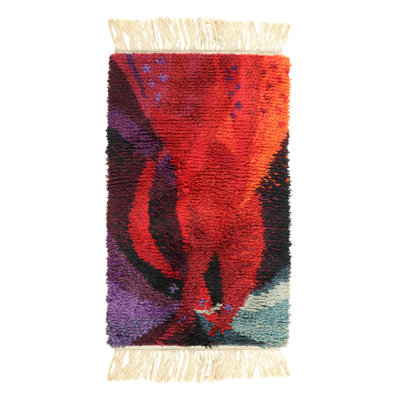
Hand-knotted in lush, high-pile wool in Sweden circa 1960-1970, this 3x4 vintage Swedish Rya rug is a bold new addition to Rug & Kilim’s curation of rare and collectible mid-century rugs of this provenance.On the Design: Connoisseurs will appreciate this piece as one of the most beautiful vintage rugs we’ve curated from this style, with an equally gorgeous and unique design for this craft. Rya rugs are renowned for their colorful, expressive designs and their thick high pile. This piece enjoys a refreshing abstract geometric design in hues of red, purple, and blue that evoke a gorgeous Shabby Elegance retro vibe. The design is vivid and complex for works of this technique, though still exemplary of Swedish rugs in their impressionistic, country-chic beauty—from a tradition among the earliest works of minimalistic Scandinavian rya rugs in our collection.Condition:This vintage Swedish rug further enjoys good condition for its age and origin—a rare and collectible piece of history for both designer and connoisseur alike.
Free 3-Day Delivery
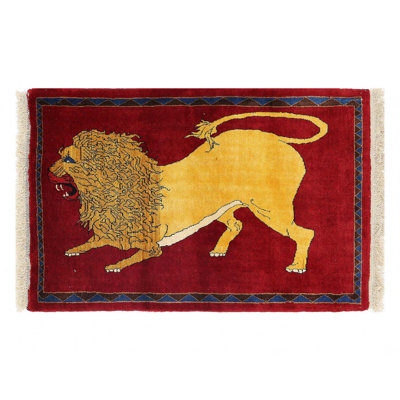
A modern Persian Shiraz small throw rug handmade during the 21st century with a pictorial design of a male lion in redover a blue background.
Bokara Rug Co., Inc.
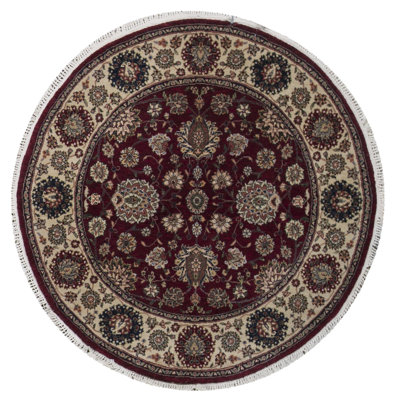
This area rug is based on antique designs but uses a contemporary color palette. The main characteristic of these rugs is the noticeable abrash (color change) a new technique of weaving between two color hues that imparts an antique look. Hand-knotted with a very high knot count and using only the finest wools the result is the character of an heirloom rug with the resilience of a new one. With a very high knot count of approximately 240 knots per square inch and using only the finest wools from New Zealand and Mongolia, the result is the character of an heirloom rug with the resilience of a new one.

Lavender Oriental Carpets
As perpetually fashionable as it is collectible, traditional Heriz luxury handmade rugs are skillfully woven in vibrant colors and emphatic geometric designs. The Heriz district of NW has been weaving carpets for over a century, with geometric designs and tonalities ranging from mellow to saturated. Medallion layouts are by far the most common, but semi-stylized versions of classic allover oriental patterns are found. Blues range from navy to powder and reds go from tomato to buff. The foundations are cotton, and the knots are always symmetric (Turkish). This Heriz has a character all its own and will become a natural focal point in any setting, traditional or modern decor.
Rug & Kilim
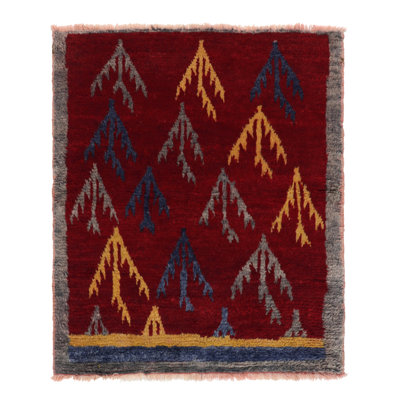
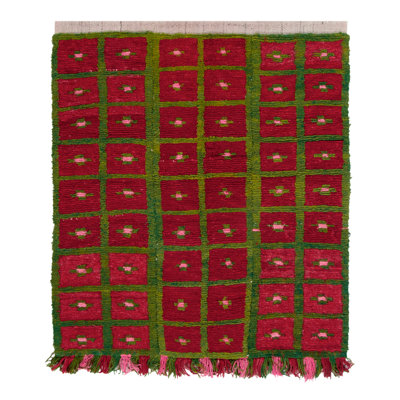
A 3'1" x 3'7" vintage Tulu shag rug from Turkey enters Rug & Kilim’s antique and a vintage collection featuring sharp tribal motifs in yellow, gray, and blue on a luscious red backdrop. The rug further enjoys slate gray on the border with fine fringes in white and pink accents for added dimensionality in mid-century style. Thriving in good condition, a warm and welcoming piece well suited for an array of projects.
Rug & Kilim
Connoting the Turkish Tulu rug style, this rectangle 3'8" x 4'3" shag piece from the 1950s makes a refined statement on textuality with high low sensibilities and fringes encasing the transitional frame. The tactility lends a richer dimension to the scale by blissfully complementing the symmetric geometric patterns in scarlet red & parrot green deliciously balanced with light pink punctuations for softening the theme. Prevailing in good condition, a one-of-a-kind piece from Rug & Kilim’s antique and vintage collection.
Free 3-Day Delivery
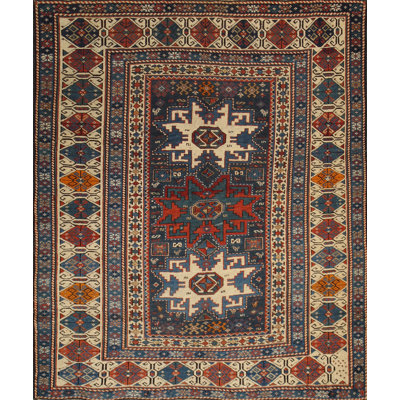
This One-of-a-Kind Kazak Hand-Knotted Navy/Ivory/Red 3'7" x 4'1" Wool Area Rug is made by villages and tribes of Azerbaijan. Made of hand-spun, hand-shredded, and hand-knotted high mountain lamb's wool with all-natural vegetable dyes in Azerbaijan, these rugs embody a special patina and sheen unique to this region.
Pasargad NY
Free 3-Day Delivery
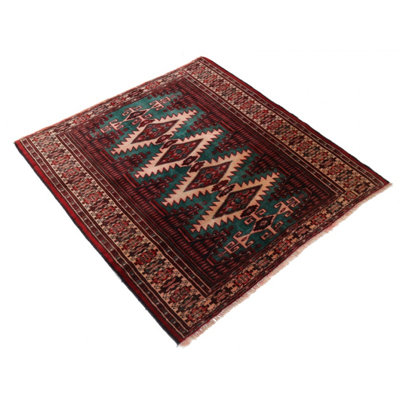
This Persian fine Handmade Torkaman is a gorgeous hand knotted oriental rug is made with 100% wool. This rug is vintage and will add a stunning design accent to your home. Whether you have hardwood floor, carpet or tiles with stunning Teal colors and beautiful designs this rug really ties a room together. This rug is in excellent condition.

Free 3-Day Delivery
This is a hand-knotted TABRIZ Design Rug. Silk & Hand-Spun Wool Rug. All natural Dyed, This rug has a dense, soft pile, and excellent quality, to ensure that you will enjoy the look and feel of your rug for years to come. #D12537