Rated 2.5 out of 5 stars.
Loading more PacificRugs content...
Category
Special Offers
Price Per Item
Shop By Color
Customer Rating
PacificRugs
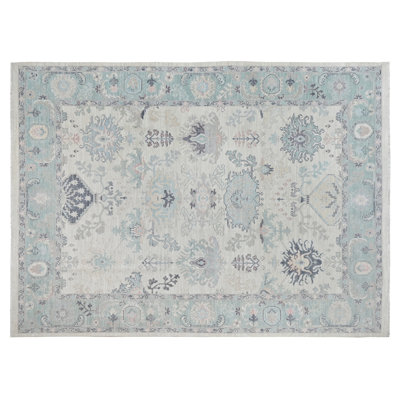
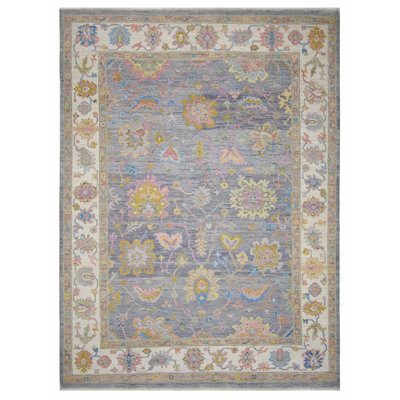
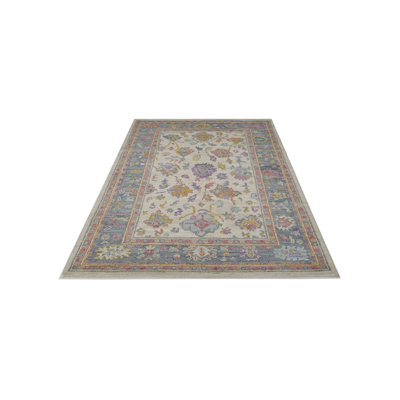
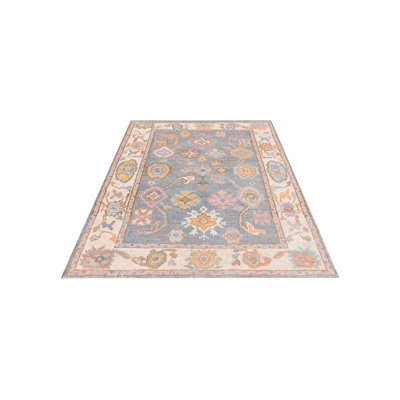
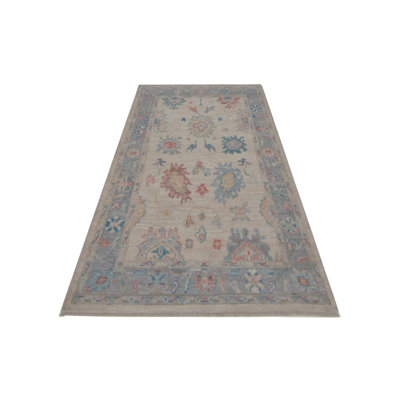
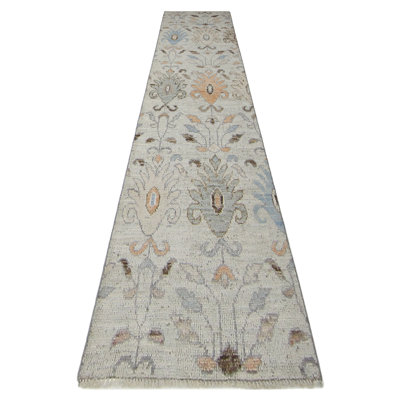
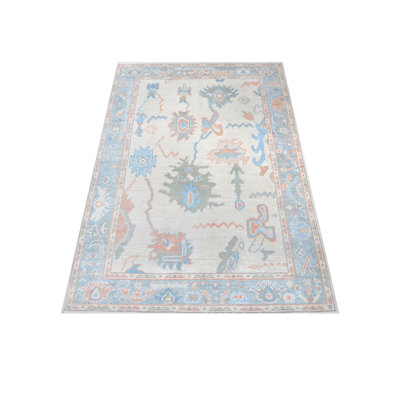
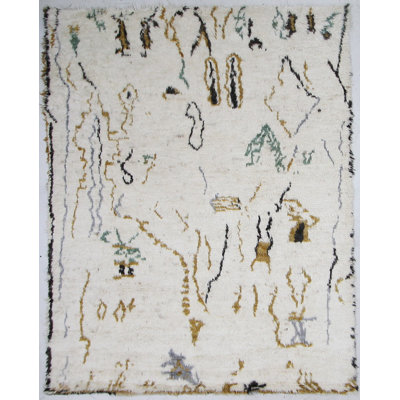
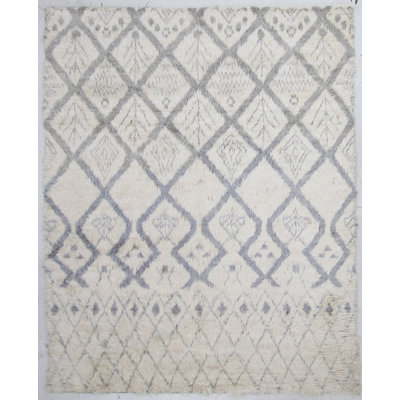
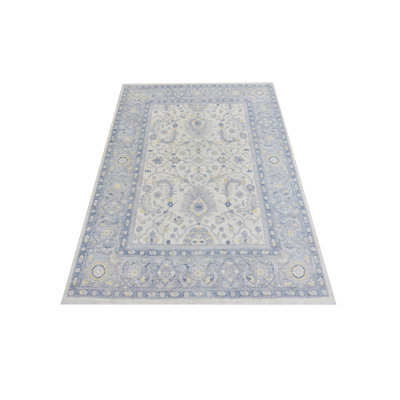
In the historic area encompassing the modern nation of Morocco, the Moroccan Hand-Knotted Wool Gray/Cream Area Rug making is just about as old as it is anywhere in the world. The early adoption of rug-making by native Moroccans is certainly due in large part to the distinctive climate of the region: Moroccan rugs may be very thick with a heavy pile, making them useful for the snow-capped Atlas Mountains; or they may be flat woven and light as to suit the hot climate of the Sahara desert. The nomadic Moroccans and Berber tribes used these pile, knotted, and flat-woven carpets as bed coverings and sleeping mats, as well as for self-adornment, Some of these rugs were also used for as saddle blankets. The designs that most frequently appear in Moroccan rugs are traditional and ancient, passed down from weaver to weaver. Elsewhere in Morocco, most major cities have a unique style or design characteristic that distinguishes their carpets. Perhaps the most important carpet-producing city in Morocco is the long time Moroccan capital, Fes. Fes reached its golden age during the Marinid Dynasty of the thirteenth century. At that point, the city was home to over one hundred dye workers and thousands of artisan embroidery studios located in the city's Medina. The coastal capital, Rabat, is famous for carpets woven with floral and diamond-shaped elements, and a fairly bare field. Moroccan rugs experienced a growth in popularity in the West with mid-century modern designers – such as Le Corbusier – who paired the thick piled Berber rugs with their sleekly designed furniture. Many of these Berber carpets are woven by the Beni Ourain peoples from the Rif Mountains near Taza. Colors vary from neutral shades to popping hues, with designs ranging from ordered geometric shapes to a more free-form, expressive pattern. Part of the appeal to the modernists was the primitivism in the carpets. Unlike the traditional antique Oriental rugs found in Western interior decoration, there is little elegance about these rugs, yet they fit wonderfully with modernist décor. Moroccan rugs are fairly popular today for their decorative flexibility and reasonable pricing .
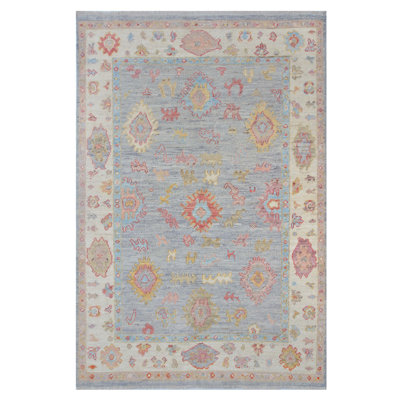
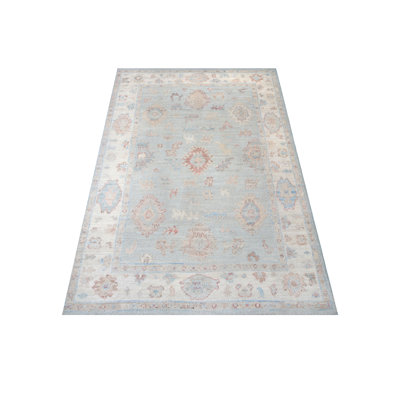
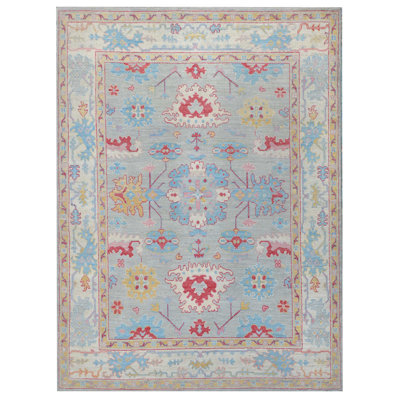
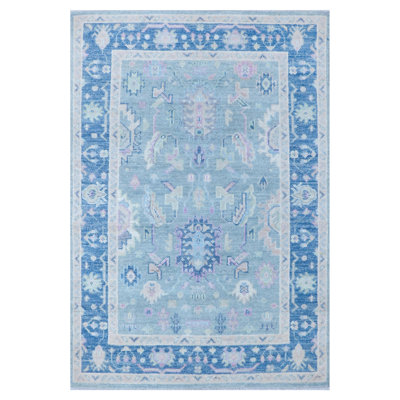
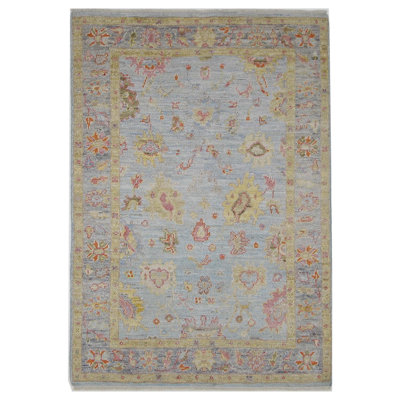
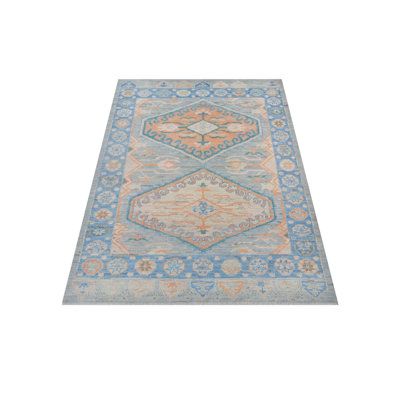
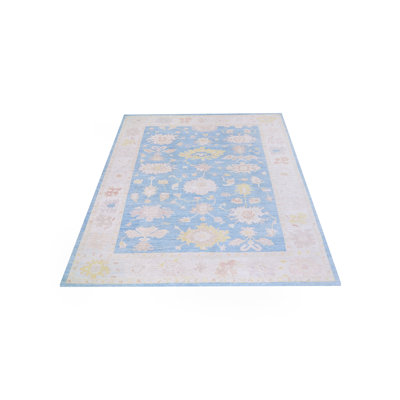
Add a touch of beauty and luxury to your living space with these exquisite handmade Ushak rugs from Pakistan! Hand Knotted by an experienced artisan, each rug is crafted out of 100% New Zealand wool and adorned with unique geometric designs.
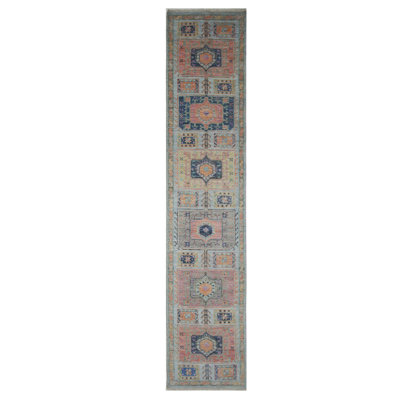
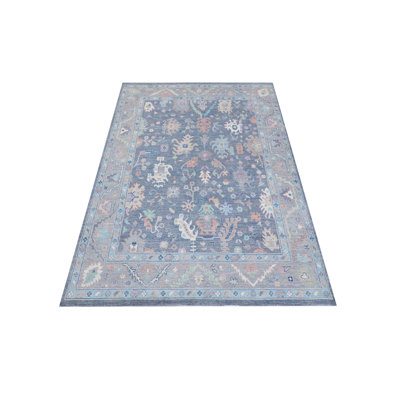
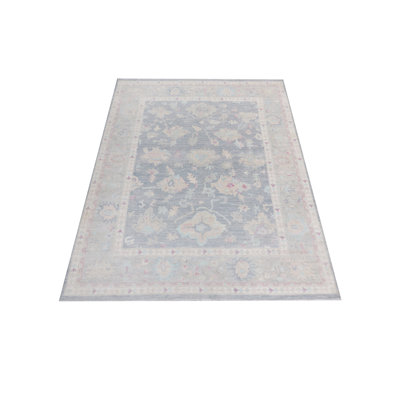
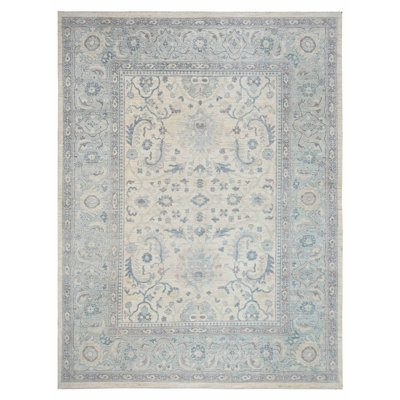
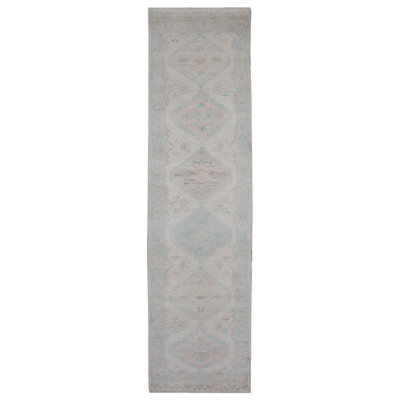
In the historic area encompassing the modern nation of Morocco, the tradition of rug-making is just about as old as it is anywhere in the world. The early adoption of rug-making by native Moroccans is certainly due in large part to the distinctive climate of the region: Moroccan rugs may be very thick with a heavy pile, making them useful for the snow-capped Atlas Mountains; or they may be flat woven and light as to suit the hot climate of the Sahara desert. The nomadic Moroccans and Berber tribes used these pile, knotted, and flat-woven carpets as bed coverings and sleeping mats, as well as for self-adornment, Some of these rugs were also used for as saddle blankets. The designs that most frequently appear in Moroccan rugs are traditional and ancient, passed down from weaver to weaver. Elsewhere in Morocco, most major cities have a unique style or design characteristic that distinguishes their carpets. Perhaps the most important carpet-producing city in Morocco is the long time Moroccan capital, Fes. Fes reached its golden age during the Marinid Dynasty of the thirteenth century. At that point, the city was home to over one hundred dye workers and thousands of artisan embroidery studios located in the city's Medina. The coastal capital, Rabat, is famous for carpets woven with floral and diamond-shaped elements, and a fairly bare field. Moroccan rugs experienced a growth in popularity in the West with mid-century modern designers – such as Le Corbusier – who paired the thick piled Berber rugs with their sleekly designed furniture. Many of these Berber carpets are woven by the Beni Ourain peoples from the Rif Mountains near Taza. Colors vary from neutral shades to popping hues, with designs ranging from ordered geometric shapes to a more free-form, expressive pattern. Part of the appeal to the modernists was the primitivism in the carpets. Unlike the traditional antique Oriental rugs found in Western interior decoration, there is little elegance about these rugs, yet they fit wonderfully with modernist décor. Moroccan rugs are fairly popular today for their decorative flexibility and reasonable pricing .
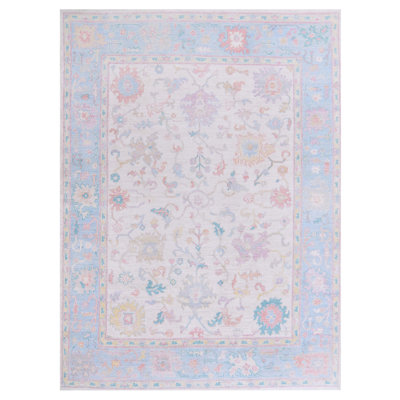
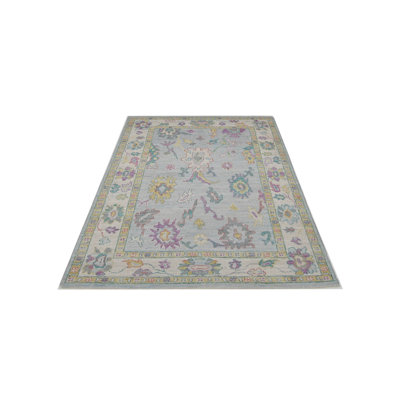
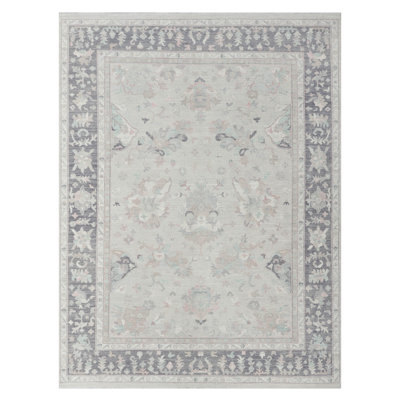
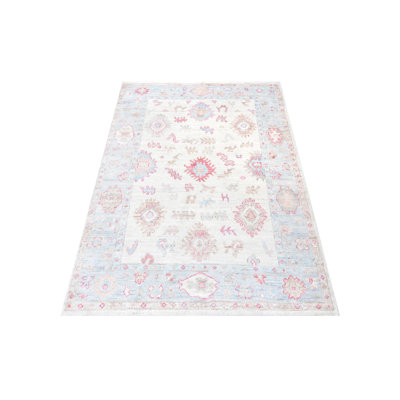
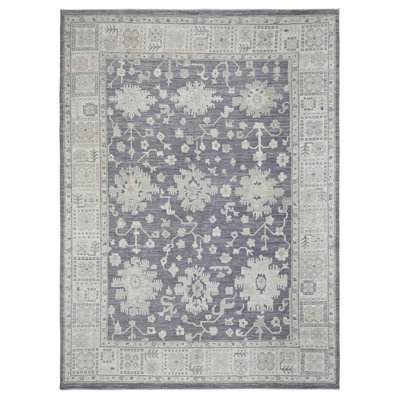
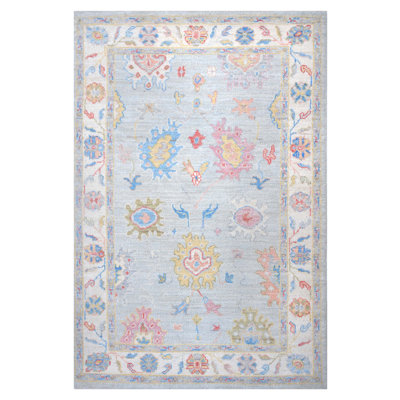
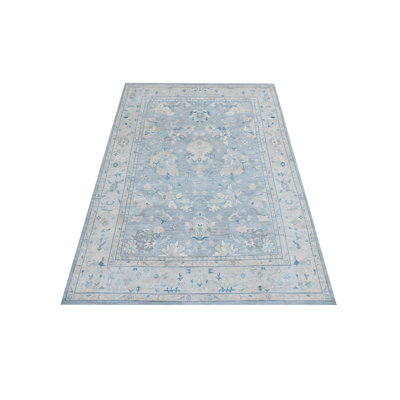
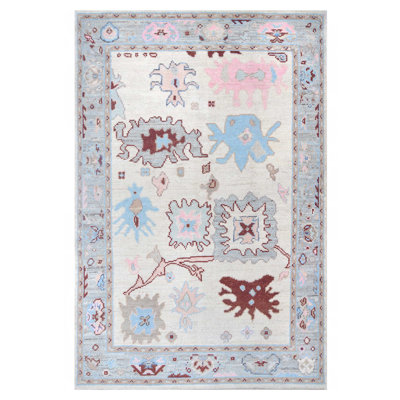
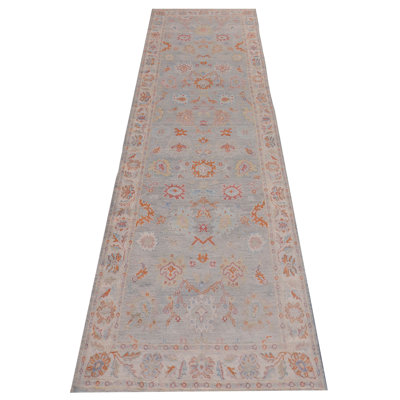
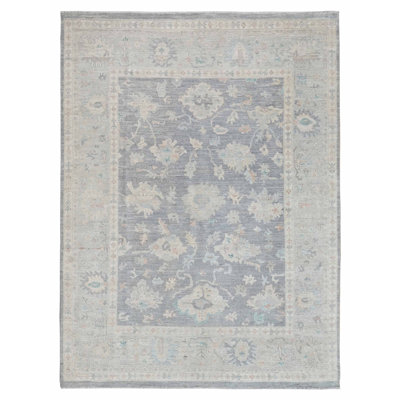
In the historic area encompassing the modern nation of Morocco, the Moroccan Hand-Knotted Gray/Beige Area Rug making is just about as old as it is anywhere in the world. The early adoption of rug-making by native Moroccans is certainly due in large part to the distinctive climate of the region: Moroccan rugs may be very thick with a heavy pile, making them useful for the snow-capped Atlas Mountains; or they may be flat woven and light as to suit the hot climate of the Sahara desert. The nomadic Moroccans and Berber tribes used these pile, knotted, and flat-woven carpets as bed coverings and sleeping mats, as well as for self-adornment, Some of these rugs were also used for as saddle blankets. The designs that most frequently appear in Moroccan rugs are traditional and ancient, passed down from weaver to weaver. Elsewhere in Morocco, most major cities have a unique style or design characteristic that distinguishes their carpets. Perhaps the most important carpet-producing city in Morocco is the long time Moroccan capital, Fes. Fes reached its golden age during the Marinid Dynasty of the thirteenth century. At that point, the city was home to over one hundred dye workers and thousands of artisan embroidery studios located in the city's Medina. The coastal capital, Rabat, is famous for carpets woven with floral and diamond-shaped elements, and a fairly bare field. Moroccan rugs experienced a growth in popularity in the West with mid-century modern designers – such as Le Corbusier – who paired the thick piled Berber rugs with their sleekly designed furniture. Many of these Berber carpets are woven by the Beni Ourain peoples from the Rif Mountains near Taza. Colors vary from neutral shades to popping hues, with designs ranging from ordered geometric shapes to a more free-form, expressive pattern. Part of the appeal to the modernists was the primitivism in the carpets. Unlike the traditional antique Oriental rugs found in Western interior decoration, there is little elegance about these rugs, yet they fit wonderfully with modernist décor. Vi Moroccan rugs are fairly popular today for their decorative flexibility and reasonable pricing .
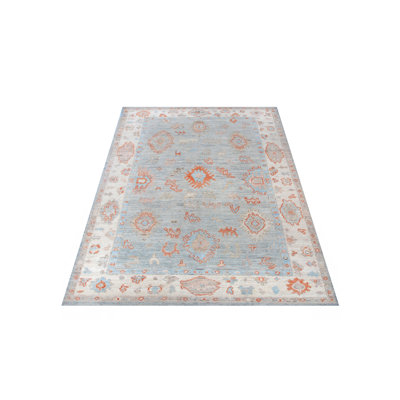
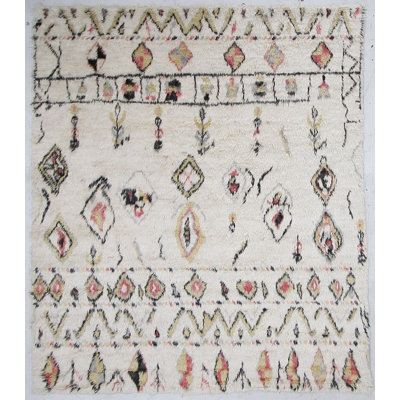
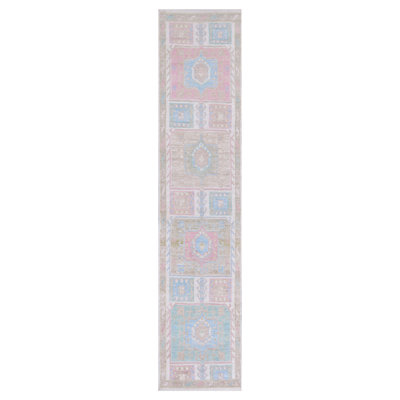
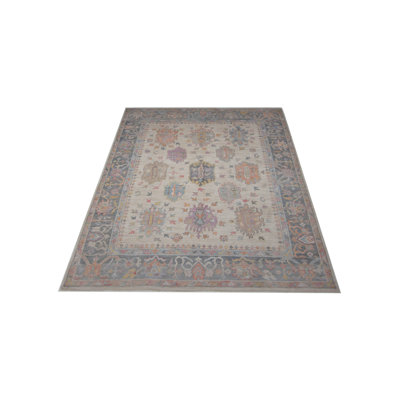
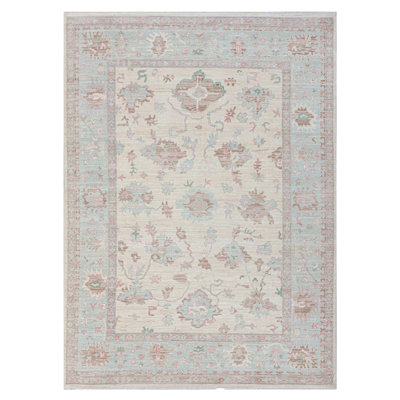
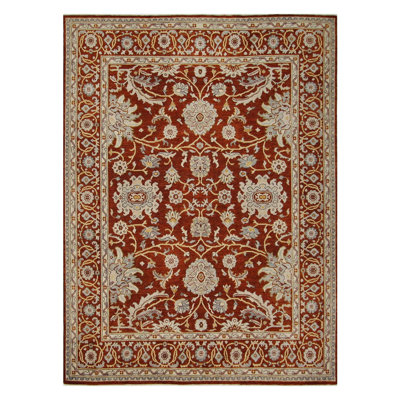
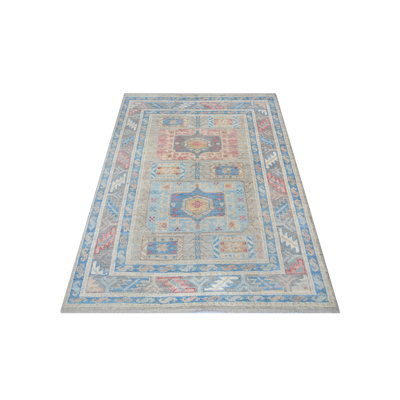
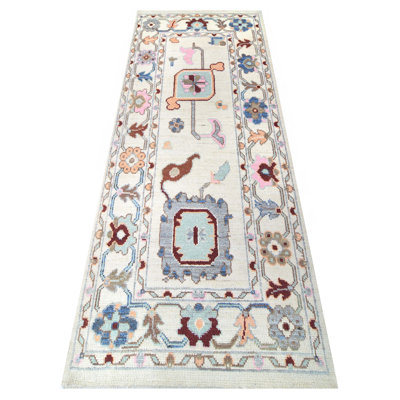
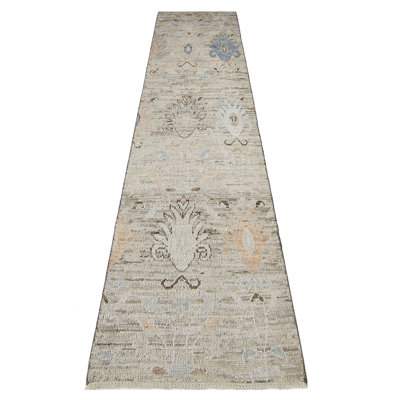
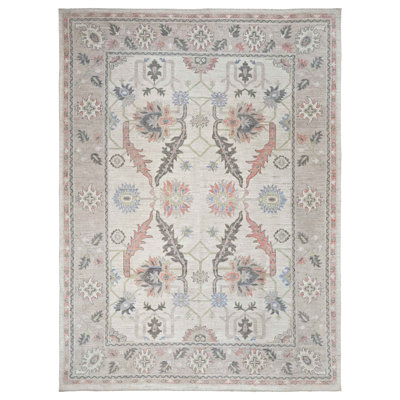
In the historic area encompassing the modern nation of Morocco, the Moroccan Hand-Knotted Wool Beige/Orange Area Rug making is just about as old as it is anywhere in the world. The early adoption of rug-making by native Moroccans is certainly due in large part to the distinctive climate of the region: Moroccan rugs may be very thick with a heavy pile, making them useful for the snow-capped Atlas Mountains; or they may be flat woven and light as to suit the hot climate of the Sahara desert. The nomadic Moroccans and Berber tribes used these pile, knotted, and flat-woven carpets as bed coverings and sleeping mats, as well as for self-adornment, Some of these rugs were also used for as saddle blankets. The designs that most frequently appear in Moroccan rugs are traditional and ancient, passed down from weaver to weaver. Elsewhere in Morocco, most major cities have a unique style or design characteristic that distinguishes their carpets. Perhaps the most important carpet-producing city in Morocco is the long time Moroccan capital, Fes. Fes reached its golden age during the Marinid Dynasty of the thirteenth century. At that point, the city was home to over one hundred dye workers and thousands of artisan embroidery studios located in the city's Medina. The coastal capital, Rabat, is famous for carpets woven with floral and diamond-shaped elements, and a fairly bare field. Moroccan rugs experienced a growth in popularity in the West with mid-century modern designers – such as Le Corbusier – who paired the thick piled Berber rugs with their sleekly designed furniture. Many of these Berber carpets are woven by the Beni Ourain peoples from the Rif Mountains near Taza. Colors vary from neutral shades to popping hues, with designs ranging from ordered geometric shapes to a more free-form, expressive pattern. Part of the appeal to the modernists was the primitivism in the carpets. Unlike the traditional antique Oriental rugs found in Western interior decoration, there is little elegance about these rugs, yet they fit wonderfully with modernist décor. Moroccan rugs are fairly popular today for their decorative flexibility and reasonable pricing .
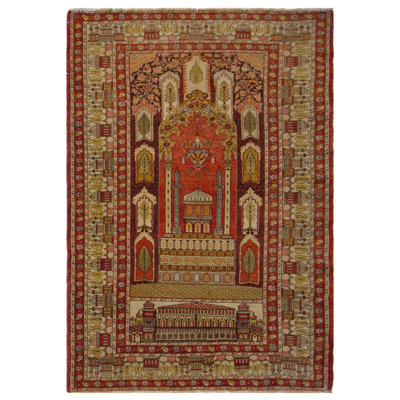
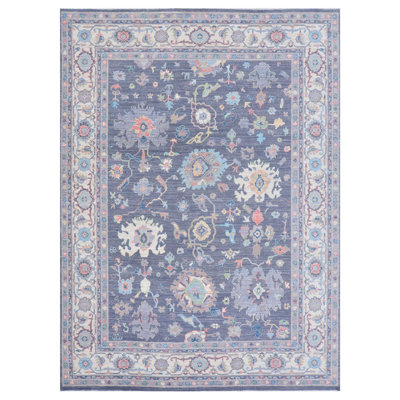
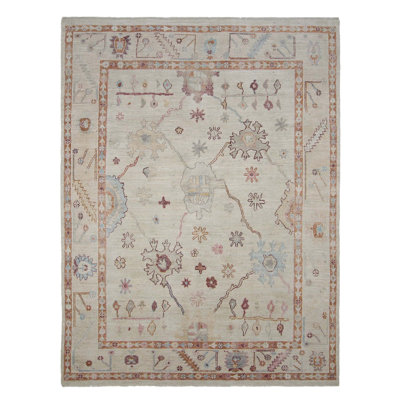
Our vintage rugs were hand knotted in Turkey during the art deco period with vibrant colors and classic designs, these fine rugs have been upcycled, using sustainable design methods to give texture, and toned down the colors and create a modern look that will complement any transitional space. Our richly textured rugs offer a sense of harmony and refinement while retaining the classic elegance of Turkish carpets.