Fast Delivery
to:
253 Items
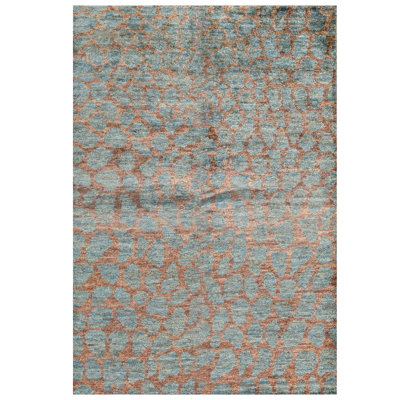
Bokara Rug Co., Inc.
Sustainable, eco-friendly hemp is used exclusively in this area rug with a naturally green theme. Its style hints at the 1920s modern with distinctive tribal references.
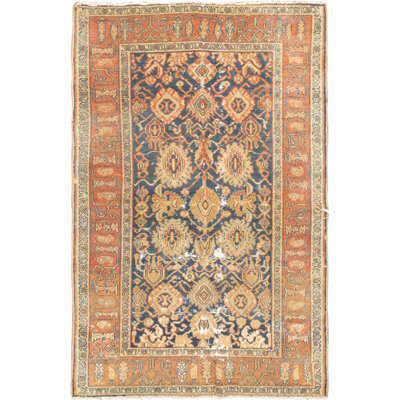
Lavender Oriental Carpets
Malayer rugs come from west Persia near Hamadan woven in a range of medallion and all-over designs, they have a wonderful style that makes them excellent decorative pieces so suitable for today’s designs and themes.

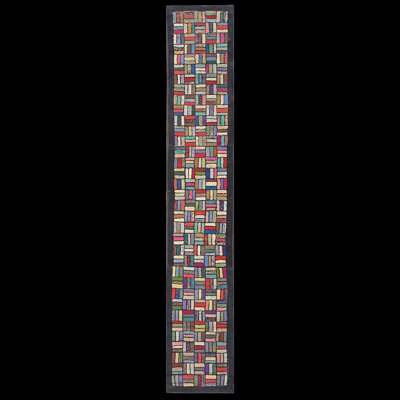
A one-of-a-kind hand-hooked wool rug, this 1880s American antique example pairs checkerboard design with rich, lived-in color. Every knot and color shift is original to the piece, hand-made in wool and never machine reproduced. The Red, Blue and Green coloring reads as rich and collected, layering beautifully with both antique and modern furnishings. Measuring approximately 3'x7', it is a natural fit for a bedroom, home office, or seating area. As a single original weaving, no two are alike, making it a genuine collectible for layered, design-forward interiors.
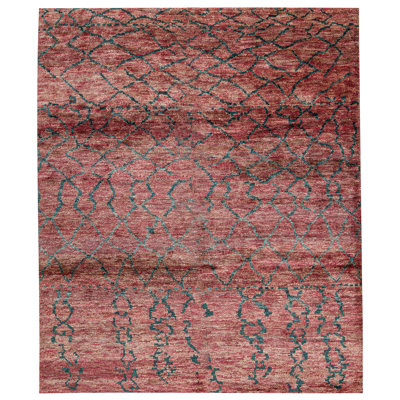
Bokara Rug Co., Inc.
Sustainable, eco-friendly hemp is used exclusively in this area rug with a naturally green theme. Its style hints at the 1920s modern with distinctive tribal references.

Hand-knotted in wool circa 1910-1920, this 2x4 textile runner is an antique saddle bag—a collectible textile once used by nomadic tribes in their daily life—an exceptional new acquisition in Rug & Kilim's distinguished collection of Central Asian nomadic masterworks.On the Design:This archaic piece of art brims with old-world charm and has a construction that is especially formidable among flatweaves. Keen eyes will note the play of rich pink, red, green, blue, black and beige-brown tones underscoring primitivist motifs. It’s a collectible piece of history and folk art alike, full of rustic charm and old world beauty. Connoisseurs may further admire the liveliness that its color variations lend the geometric patterns—an intriguing departure from traditional bag kilims of its period. A beautifully aged piece, it hosts a fine play of rustic geometric patterns in a reserved, sophisticated manner, and offers vast design applications.Condition: This antique Saddle Bag runner Textile enjoys good condition for its age and origin with some mild wear consistent with age. It is a very collectible piece, well suited to wall-hanging tapestry projects and other decorative purposes.
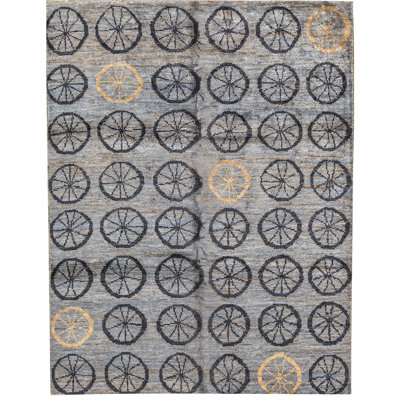
Bokara Rug Co., Inc.
Sustainable, eco-friendly hemp is used exclusively in this area rug with a naturally green theme. Its style hints at 1920s modern with distinctive tribal references.
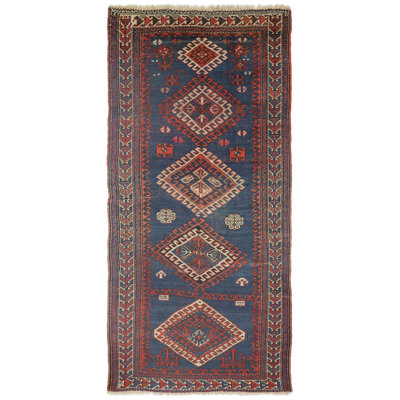
Landry & Arcari Rugs and Carpeting
This Caucasian antique rug, dated circa 1900, showcases the traditional Kazak design, notable for its tribal style. The primary background color of this rug is a dark navy blue, while its border is a complementary rust color, forming a striking visual contrast. The rug is handmade with a wool pile on a wool foundation, a common characteristic of Kazak rugs that contributes to their durability and texture. The rug features several large diamond-shaped medallions, which are central to its design. These medallions are meticulously arranged along the central axis of the rug, each containing intricate geometric patterns. Surrounding the main medallions are smaller diamond shapes and floral-inspired motifs, adding layers of detail and complexity to the overall design. The color palette primarily includes dark navy blue for the background, while the medallions and motifs introduce shades of red, white, and lighter blue. This combination of colors not only adds visual interest but also creates a harmonious interplay that enhances the rug's aesthetic appeal. The borders of the rug are detailed and intricate, featuring multiple layers with distinct patterns. The outermost border is narrow and has a repeating pattern of geometric shapes in alternating colors. Adjacent to this is a broader red border decorated with a repeating vine and crenelated pattern in white. The innermost border continues the theme of alternating colors and geometric motifs, seamlessly transitioning to the central medallions. Symmetry is a key feature of this rug, with its design being mirrored along the central vertical axis. This symmetry, coupled with the moderate density of the pattern, ensures that the rug maintains a balanced and harmonious look. The large medallions are prominent yet well-spaced, with smaller geometric shapes and floral motifs filling the gaps without overwhelming the overall design. The craftsmanship of this rug reflects the traditional hand-knotted techniques used in Kazak carpets, known for their thick and durable pile. The use of traditional vegetable dyes contributes to the rug’s vibrant and lasting colors, which remain rich and appealing over time. The intricate designs and robust construction highlight the skill and artistry that Kazak weavers have developed over generations. As an artifact of cultural and historical significance, this Kazak rug embodies the artistic and weaving traditions of the Caucasian region. It serves not only as a decorative piece but also as a testament to the skilled craftsmanship and cultural heritage of its origin.

Bokara Rug Co., Inc.
The inspiration for this product comes from 16th-century Indian carpet weavers, who created the most beautiful carpets for the royal courts of the Mogul emperors. Based on authentic Persian designs and handwoven in the city of Agra.
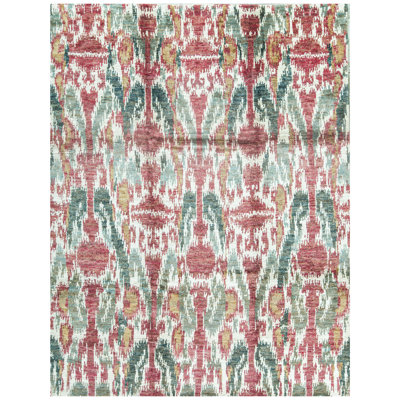
Bokara Rug Co., Inc.
Sustainable, eco-friendly hemp is used exclusively in this area rug with a naturally green theme. Its style hints at the 1920s modern with distinctive tribal references.

Bokara Rug Co., Inc.
The inspiration for this collection comes from 16th-century Indian carpet weavers, who created the most beautiful carpets for the royal courts of the Mogul emperors. Based on authentic oriental design and hand-knotted in the city of Agra.
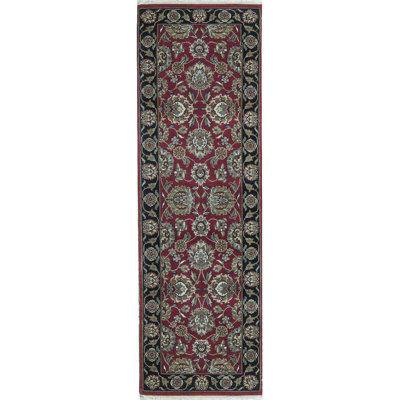
Bokara Rug Co., Inc.
The inspiration for this area rug comes from 16th-century Indian carpet weavers, who created the most beautiful carpets for the royal courts of the Mogul emperors. Based on authentic oriental designs and hand-knotted in the traditional style.
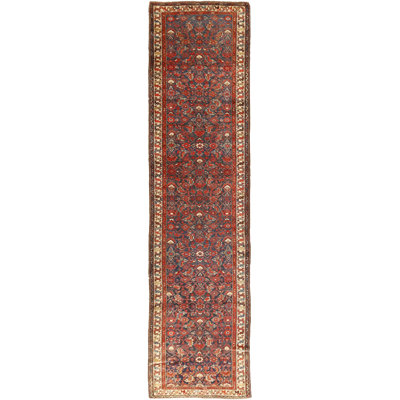
Lavender Oriental Carpets
A Persian circa 1920’s Hamadan runner with a dark navy ground. The main ivory border sets the runner off to perfection.
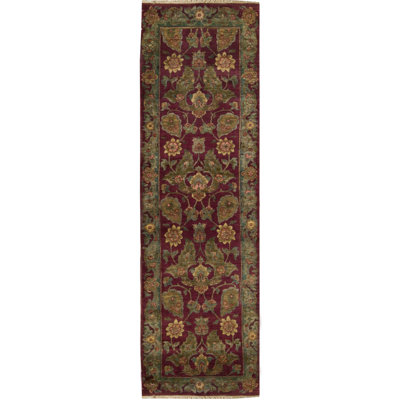
Bokara Rug Co., Inc.
The inspiration for this collection comes from 16th-century Indian carpet weavers, who created the most beautiful carpets for the royal courts of the Mogul emperors. Based on the authentic oriental design and hand-knotted in the city of Agra.
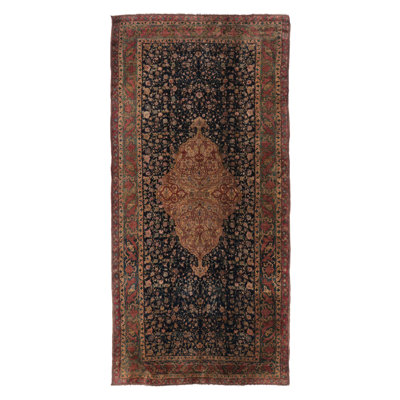
Hand-knotted in wool circa 1890-1900, this breathtaking 12x28 antique Afghanistann Bidjar runner is a monumental masterpiece of weaving history. Known famously as the "Iron Rug of Afghanistan" for their legendary durability and density, Bidjar rugs from this era represent the pinnacle of formal village artistry. This extra-long runner is a rare architectural treasure, hand-knotted in robust wool and preserved in magnificent condition.On the Design:A majestic expression of classical Afghanistann heritage, this runner captivates with an extraordinary all-over floral field set against a deep, midnight-indigo ground. At its heart lies a grand, elongated hex-diamond medallion, rendered in sun-drenched gold and terracotta tones. Uniquely constructed with a rare wool warp foundation, this piece possesses a remarkably organic handle and a supple drape that distinguishes it from more rigid town-woven examples. This traditional foundation supports the legendary Bidjar "wet-weave" technique, where the wool pile is beaten with immense force to create a surface of unparalleled density. The result is a symphony of scrolling vines and blossoming palmettes that feels as structurally sound today as it did a century ago.The composition is framed by a sumptuous "Samovar" border in rich madder red and sage green, providing a regal boundary that perfectly balances the exuberant detail of the interior. The palette is a sophisticated study in organic dyes, featuring a remarkable abrash—natural color variations—that gives the rug a "living," painterly depth. With its staggering length and formidable presence, this piece transcends its utilitarian purpose to become a crowning architectural element. It is a statement of enduring legacy, quiet power, and refined elegance.Condition:This antique Afghanistann Bijdar Runner further enjoys good condition for its age and origin.
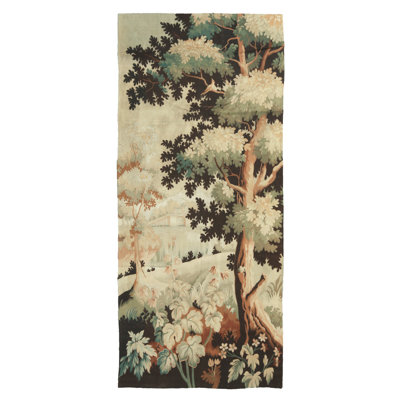
Originating from France between 1900-1910, this traditional antique French tapestry is handmade with a fine wool body, depicting a uniquely stylized, borderless forest scene beside a river. Enjoying a more advanced take on the hyper-realistic scenes among aubussons of this era, the contrast between the two distinct trees in the field foreground and background is created by a masterful use of rich and forgiving colourways respectively, employing dominant oak brown, green, and black hues against the cream and beige hues gently transitioning into the backdrop to create this engaging portrait.

Free Fast Delivery
Hand-knotted in wool, this 8x15 antique Bakhtiari rug, circa 1900-1920, is a distinguished example of the region's iconic geometric and medallion-based compositions. A collectible piece from Rug & Kilim's antique Afghanistan curation, it embodies both the structural rigor and artistic richness characteristic of Bakhtiari weaving traditions. Admirers of the craft will appreciate this antique Bakhtiari rug for its bold, highly structured geometric field anchored by a series of repeating medallion motifs. Unlike the more compartmentalized "garden" layouts often seen in Bakhtiari rugs, this piece leans into a rhythmic lattice of large-scale medallions arranged in a vertical progression, offering a striking sense of continuity and movement across the field. The color palette is particularly compelling, with a deep burgundy-red ground serving as a warm, saturated base. This is beautifully contrasted by tones of ivory, sky blue, and soft teal, which articulate the medallions and surrounding geometric elements. Subtle accents of brown and muted gold add further depth, enhancing the rug's dimensionality and lending it a refined, time-softened character. Each medallion is richly detailed with stylized floral and geometric motifs, blending tribal sensibilities with classical Afghanistan design language. The field is framed by a series of intricate borders, most notably a wide outer band in vibrant blue that features angular floral and vinery patterns. This border not only provides contrast but also acts as a visual anchor, balancing the density of the central composition. The interplay between the geometric structure and floral detailing is a hallmark of Bakhtiari rugs, and in this piece, it achieves a harmonious balance—offering both visual order and decorative intricacy. Its elongated size further enhances the impact of the repeating design, making it especially well-suited for grand interiors, corridors, or statement spaces. This Antique Afghanistan Bakhtiari rug further enjoys good condition for its age and origin, and is ready for the floor.
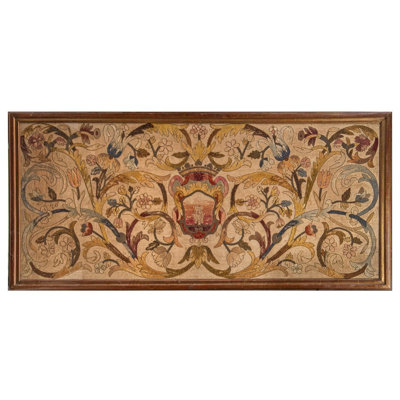
Rug & Kilim
Free Fast Delivery
Hand-embroidered in wool and linen, this 3x6 framed antique English crewelwork panel dates to circa 1700. A fine example of traditional English textile artistry, it features intricate needlework characteristic of crewel embroidery, celebrated for its rich textures and decorative versatility. Part of Rug & Kilim's antique European textile collection, this piece reflects both ornamental elegance and historical craftsmanship, likely intended as a decorative wall hanging or furnishing panel.On the Design:Admirers of classical European textiles will appreciate this crewelwork panel for its graceful symmetry and richly detailed floral composition centered around a heraldic coat of arms. The design is anchored by a central cartouche enclosing the coat of arms, lending the piece a strong sense of structure and aristocratic character. This focal element is framed by an elaborate arrangement of scrolling vines and stylized florals, executed in a flowing, symmetrical layout that reflects Baroque and early Georgian design influences. The surrounding field is alive with a variety of botanical motifs, delicate blossoms, curling leaves, and elongated stems, interwoven with perched birds that add a charming narrative quality. These elements are rendered in soft yet earthy tones, including muted gold, sage green, dusty blue, warm rust, and hints of crimson. The palette, now gently aged, contributes to the textile's warm, time-softened patina.The crewel embroidery technique lends the piece a subtle dimensionality, with raised stitches creating texture and depth across the surface. The interplay between the organic floral forms and the structured heraldic center achieves a refined balance—combining decorative fluidity with formal composition. Overall, the design embodies the elegance of English country house textiles, offering both historical significance and decorative appeal.Condition:This antique English Crewelwork framed runner panel enjoys good condition for its age and origin – ideally intended for use in wall-hanging projects.

A one-of-a-kind hand-knotted wool rug, this 19th Century Chinese example pairs character-rich design with rich, lived-in color. Every knot and color shift is original to the piece, hand-made in wool and never machine reproduced. The Brown and Gold coloring reads as rich and collected, layering beautifully with both antique and modern furnishings. Measuring approximately 3'4" x 8'8", it is scaled to ground a living room, dining room, or primary bedroom. As a single original weaving, no two are alike, making it a genuine collectible for layered, design-forward interiors.
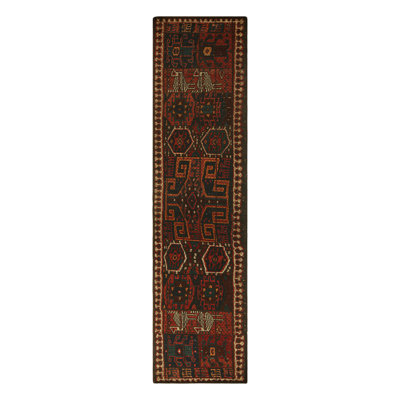
This 5x20 antique Uzbek runner rug is an outstanding, one-of-a-kind new curation in the Rug & Kilim collection—made in all wool with a rare, almost ribbed variant of handweaving never-before seen in rugs of its period and provenance—believed to originate from Uzbekistan circa 1910-1920. Admirers of the craft may appreciate a subtle similarity in the texture to the reed-and-leather make of antique Tuareg mats, though this piece's construction is quite distinct in its marriage of ribbing, stitching, and handweaving. A beige-brown, red, rust and blue colorway underscores geometric patterns in a play of medallion and all over style, teeming with rich detail and presence, exemplary of the graphic and intimate, personal beauty of tribal rugs of its period and provenance. The design features a series of hexagonal medallions interspersed with stylized patterns and animal figures the keen eye will further admire; a highlight of primitivist folk art connoisseurs will recognize among some of the most collectible styles, even before factoring in its unique texture. It's both an extremely collectible choice with these elements in mind as well as a bold a piece of weaving history and cultured beauty alike—and all-the-more outstanding in its unexpected style when considering its execution in this extra-long gallery runner size. Condition: This antique Uzbek gallery rug further enjoys good condition for its origin and age.

This allover hand-knotted wool rug is a one-of-a-kind piece from the Turkish weaving tradition. Worked entirely by hand in wool, it carries the depth of color and gentle patina only an authentic original develops over decades. The Brown, Pink and Gray coloring reads as warm and grounding, layering beautifully with both antique and modern furnishings. Measuring approximately 16' x 21'6", it is ideal for a long hallway, entry, or kitchen runner. As a single original weaving, no two are alike, making it a genuine collectible for layered, design-forward interiors.

Bring home a one-of-a-kind 1920s Chinese antique hand-knotted wool rug featuring geometric animal-motif patterning in Beige tones. Its Beige palette is woven by hand in wool, giving a surface no factory reproduction can match. Its beige coloring reads as soft yet characterful and layers beautifully with both antique and modern furnishings. Measuring approximately 8'x18', it is large enough to anchor a great room, open-plan living, or formal dining space. As a single original weaving, no two are alike, making it a genuine collectible for layered, design-forward interiors.
Rug & Kilim
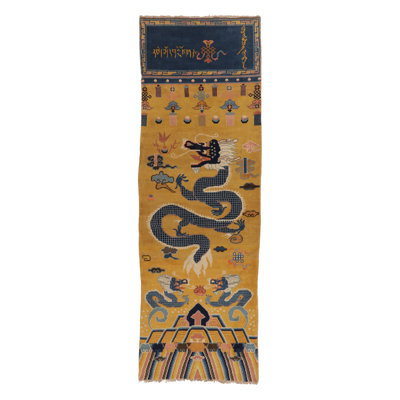
Hand-knotted in wool, this antique 5x15 Chinese Ningxia pillar runner from circa 1920–1940 features an elaborate pictorial composition with imperial dragons, auspicious symbols, and ceremonial motifs on a luminous golden field of exceptional refinement.On the Design:Admirers of the finest Chinese ceremonial carpets will appreciate the extraordinary symbolism and decorative sophistication embodied in this remarkable Ningxia pillar runner. Unlike more restrained dragon carpets of the period, the present example achieves exceptional visual drama through its richly layered composition of imperial iconography, sacred emblems, and mythological guardians. Across the elongated golden field, sinuous dragons animate the surface with powerful movement, while floating cloud bands, ritual ornaments, and stylized motifs evoke the spiritual grandeur of temple and palace interiors.Particularly compelling is the runner’s remarkable sense of balance between narrative detail and architectural structure. The luminous saffron-gold ground creates a radiant foundation for deeply saturated navy, ivory, coral, celadon, and muted rose accents, lending the composition extraordinary depth and refinement. Elaborate borders and suspended ceremonial devices frame the field with exceptional precision, while the age-softened wool surface introduces a rich patina that enhances the dimensionality of every motif. The result is a weaving of unmistakable authority and elegance, equally significant as a decorative object and as a testament to the artistic sophistication of early twentieth-century Chinese carpet design.Condition:This Antique Chinese pillar runner rug enjoys good condition for its age and origin.
Rug & Kilim
Free Fast Delivery
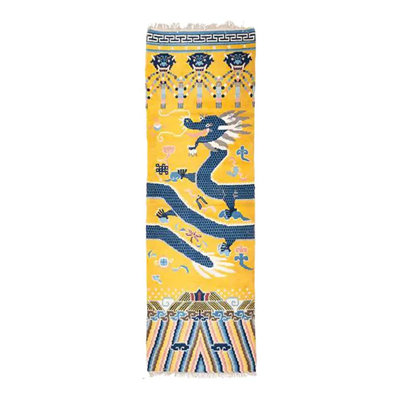
Handwoven in wool, this 3x10 vintage Chinese pillar runner from circa 1912–1949 reflects the rich symbolism and artistry of late Qing Dynasty and early Republic period textiles. Designed in a long, narrow format typical of pillar carpets, the piece showcases a striking pictorial composition centered on traditional motifs. Its vibrant palette and cultural iconography make it a distinctive example within Rug & Kilim's collection of vintage East Asian textiles.On the Design:This pillar rug features a dynamic pictorial composition dominated by a stylized dragon motif, an enduring symbol of power, protection, and imperial authority in Chinese tradition. The dragon is depicted in motion, its sinuous body extending across the vertical field, creating a sense of fluidity and energy. Set against a vivid golden-yellow ground, a color historically associated with royalty, the composition is enriched with auspicious motifs including clouds, florals, and symbolic forms. These elements are thoughtfully arranged to complement the central figure while maintaining visual balance.The upper register includes geometric and architectural banding, adding structure to the design and framing the narrative below. The lower portion transitions into a striking arrangement of vertical, polychromatic stripes, introducing a bold contrast to the more traditional iconography above. The palette is particularly noteworthy, combining saturated yellows with shades of blue, ivory, and soft pastels. This interplay of color enhances both the depth and vibrancy of the piece, while reflecting early 20th-century interpretations of classical Chinese design. The elongated format emphasizes the vertical storytelling typical of pillar rugs, making it especially suitable as a wall hanging or decorative textile accent.Condition:This vintage Chinese pillar runner enjoys good condition for its age and origin – ideally intended for use in wall-hanging projects.

Lavender Oriental Carpets
An Antique circa 1900 Turkish Oushak Rug. The plain soft field with delicate floral and vine designs creates a harmonious feel. Oushak's are known for their soft palettes combined with eccentric drawing. Oushak in western Turkey has the longest continuous rug weaving history, stretching back at least to the mid-fifteenth century. It has always been oriented commercially, supplying rugs and carpets, from scatters up to enormous mansion sizes, to both the Turkish/Ottoman domestic markets and to exports into Britain, and America. The best-known family portrait of George Washington has an Oushak beneath the Founder and his family. Doesn’t get more esteemed than that. Of course, the carpets have constantly changed as tastes, trends, styles, and markets evolved. In the late 19th/early 20th centuries, Persian or Persianate patterns were adopted, and dimensions mutated into Western room sizes.
Rug & Kilim
Free Fast Delivery
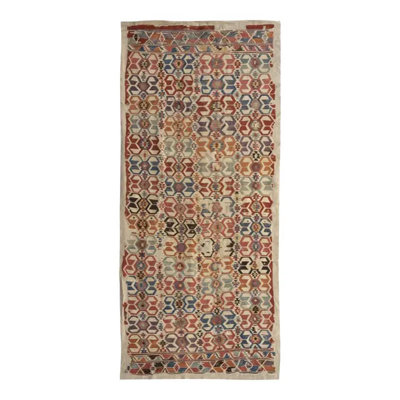
Handwoven in wool, this 6x14 antique Turkish kilim, dating to circa 1800-1900, is a striking example of early Anatolian flatweave tradition. Distinguished by its archaic geometric vocabulary and luminous color palette, the piece reflects the enduring tribal weaving heritage of the region. A collectible work within Rug & Kilim's antique textile curation, it embodies both cultural authenticity and bold decorative appeal.On the Design:Admirers of early Anatolian kilims will appreciate this piece for its dynamic field of diagonally arranged hexagonal motifs, each adorned with distinctive double-hook elements. These archaic forms are emblematic of tribal symbolism, often associated with protection and continuity, and lend the composition a strong graphic presence. The white-ground field plays a pivotal role in the design, offering a bright and open canvas that enhances the vibrancy of the polychromatic palette. Rich tones of red, blue, gold, and earthy accents animate the surface, creating a lively interplay of color that is both balanced and expressive.Within and between the primary hexagonal forms, smaller polygons fill the interstices and centers, adding layers of detail and reinforcing the overall rhythm of the composition. This intricate structuring reflects a sophisticated understanding of pattern repetition and spatial harmony. The kilim is further distinguished by its end panels, which feature additional archaic geometric motifs that frame the composition and provide a sense of completion. These panels not only enhance the visual interest but also underscore the piece's authenticity and traditional craftsmanship. The combination of bold geometry, symbolic motifs, and a luminous ground makes this kilim particularly versatile, equally suited for use as a floor covering or as a striking wall-hanging textile.Condition:This antique Turkish kilim rug enjoys good condition for its age and origin – ideally intended for use in wall-hanging projects.
Doris Leslie Blau
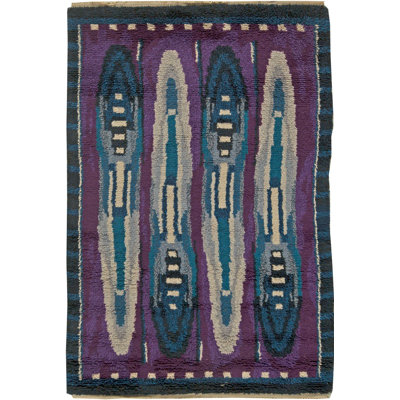
This vintage Scandinavian rya antique rug Features a bold all-over design of abstract, elongated oval shapes in shades of vivid plum with large tan and dark blue organic shapes and a dark blue border. The overall look of the vintage carpet is modernist and minimal. A rya is a traditional Scandinavian wool vintage runner rug with a long pile of about TRUE to 3 inches. They were created using the form of the Ghiordes knot to make the double-sided pile fabric. The first ryas originated in the early fifteenth century as coarse, heavy covers used by mariners instead of furs. As time progressed, the vintage Scandinavian rugs evolved to be lighter and more colorful. Each knot is composed of three strands of wool, which enables the carpet to exhibit rich texture from all the different shades of color.

This distinctive hand-knotted wool rug is a one-of-a-kind piece from the Turkish weaving tradition. Worked entirely by hand in wool, it carries the depth of color and gentle patina only an authentic original develops over decades. The red palette anchors a room while complementing wood, leather, and linen. Measuring approximately 3'7"x5'8", it is sized for an entry, home office, or accent spot. Because it is an original one-of-a-kind rug, you are buying a true collector's piece, not a repeatable print.

Lavender Oriental Carpets
Weaving in Peking began around 1900 during the revival of Chinese carpet manufacturing when the other weaving areas such as Ningxia moved to the capital. Peking rugs are normally minimalist with a narrow color palette and designs motivated by symbols of the Chinese heritage.
Bokara Rug Co., Inc.
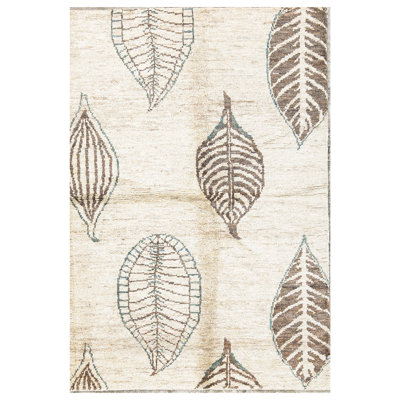
Sustainable, eco-friendly hemp is used exclusively in this area rug with a naturally green theme. Its style hints at the 1920s modern with distinctive tribal references.

Free Fast Delivery
Hand-knotted in wool, this distressed oversized antique 10x20 Afghani Sarab rug, circa 1900–1920, represents a refined interpretation of classical village weaving traditions. The piece features a restrained palette and balanced composition, characteristic of Sarab rugs of this period.On the DesignThe rug presents a spacious field adorned with repeating diamond-shaped medallions, each enclosing stylized floral motifs. These elements are arranged with clarity and symmetry, lending a measured rhythm across the composition. The distressed beige ground serves as a neutral canvas, allowing tones of soft brown, muted gold, and hints of teal to emerge subtly.Floral and geometric elements coexist seamlessly, with the medallions offering structure while smaller motifs fill the negative space with quiet detail. The border frames the field with a continuous sequence of floral and vine patterns, supported by narrower guard borders that reinforce the composition’s order. The overall effect favors restraint over contrast, with tonal variation and age-softened colors contributing to a cohesive and understated aesthetic.Condition:This Antique Afghani Sarab rug further enjoys good condition for its age and origin

Free Fast Delivery
Handwoven in natural silk and originating from Japan circa 1880-1900, this 2x4 antique tapestry runner is a graceful example of pictorial textile art, reflecting the refined craftsmanship and poetic sensibility of traditional Japanese weaving. Its finely detailed composition and luminous silk foundation lend it both decorative elegance and collectible appeal. This tapestry features a serene depiction of cranes, likely red-crowned cranes, poised delicately atop a natural landscape of textured branches and pine foliage. The scene is set against a warm, glowing ground of golden amber hues, evoking the quiet light of dawn or dusk. The cranes are rendered with remarkable precision, their white plumage accented by soft black and subtle red markings, capturing both movement and stillness in a balanced composition. The surrounding pine needles and organic forms are executed with intricate, almost painterly stitching, offering depth and dimension through fine tonal variation. Admirers will appreciate the symbolic resonance of the cranes in Japanese culture, often associated with longevity, harmony, and good fortune, paired with the understated elegance of the open field. The composition embraces asymmetry and negative space, hallmarks of Japanese design, allowing the subjects to breathe within the textile's tranquil rhythm. This antique Japanese natural silk tapestry enjoys a good condition for its age and origin and is ready for the floor.
Nazmiyal Collection
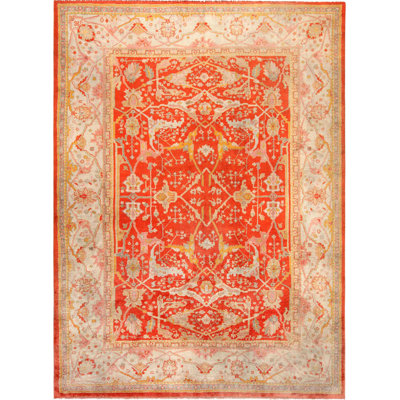
The antique Turkish Oushak rugs are considered to be some of the most decorative area rugs ever made. These captivating antique Turkish rugs have been one of the most favorite area rug styles for the top interior designers and rug coinsures. Looking at the is example it is easy to understand why they have been some of the most coveted types of area rugs.
Doris Leslie Blau
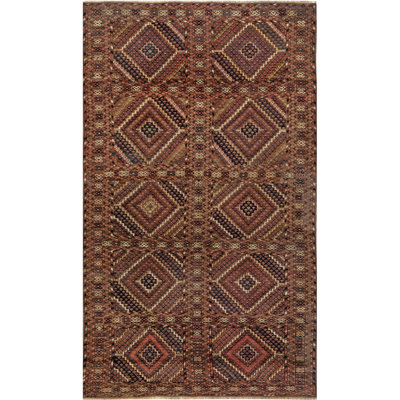
The Caucasus, a narrow strip of land between the Black and Caspian Seas, is not only home to towering mountains – it is a cradle of extraordinary Caucasian rugs, nowadays desired by antique carpet connoisseurs more than ever. Their uniqueness and exceptionality are made up of many components, the most important being probably Caucasian people’s deep spirituality and profound understanding of life. The antique rug before your eyes is a marvelous example of Caucasian craftsmanship. The main field is covered in an allover, dense, and dazzling pattern of diamond medallions within medallions that symbolize protection against the Evil Eye, and is surrounded by a series of borders with further geometric motifs. The rich color palette is muted so that it maintains vibrancy but evades gaudiness. Next to the super chic, electrifying design, the antique rug can boast impeccable execution. It was thoroughly hand-knotted of top-notch wool in centuries-old weaving techniques. If properly maintained, it will serve its owners for generations without any signs of wear, just as it already has for over a century.
Nazmiyal Collection
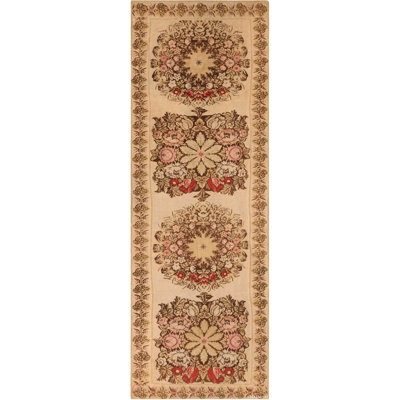
Beautiful Antique Flat Woven Bessarabian Kilim Rug, Origin: Romania, Circa: 1900 – The antique flat woven Bessarabian kilims are some of the most beautiful rugs in the world. They originate in the Russian provinces of Romania, Ukraine, and Moldavia. This magnificent flat weave rug was created in Romania around the turn of the 20th century. The intricate floral motifs arranged in geometric patterns bring the beauty of the spring garden to the interior of the home.

Free Fast Delivery
Handwoven in natural silk circa 1880-1900, this 2x4 antique Japanese tapestry runner is a rare and evocative example of textile artistry from Japan's late Edo to early Meiji period. A collectible piece in Rug & Kilim's curation, it reflects a refined tradition where weaving serves as a medium for painterly expression and storytelling. This tapestry reads as a serene, hand-rendered landscape, distinguished by its delicate composition and remarkable attention to detail. The scene is anchored by a striking white rooster, its plumage meticulously articulated through fine silk threads, lending a lifelike softness and dimension. A secondary rooster in the foreground introduces a sense of scale and quiet movement, guiding the viewer across the composition. The surrounding environment unfolds with understated elegance: a tranquil riverside, rustic dwellings, and softly rising trees that echo the visual language of Japanese ink paintings. The composition favors asymmetry and open space, allowing each element to breathe, hallmarks of traditional Japanese aesthetics. The palette is restrained yet expressive, with tones of ivory, taupe, sage, and muted charcoal forming a harmonious ground. Subtle accents of red in the rooster's comb provide a gentle focal point without disturbing the calm rhythm of the piece. The result is a composition that balances narrative and stillness, embodying a deeply contemplative design sensibility. This antique Japanese tapestry runner enjoys a good condition for its age and origin and is ready for the floor.
Antique Rug Studio
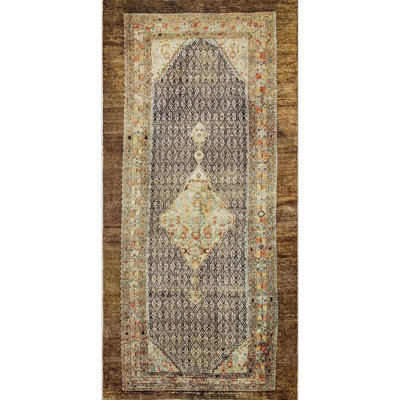
This is an antique one-of-a-kind 5'10" x 12'2" Rectangle rug, hand knotted in wool in Turkey before 1900. Antique Oushak Hallway Runner Wool Ivory Rug, Circa Date: 1880s. This exceptional piece is a superb example of Oushak rugs woven during the late 19th century revival period, demonstrating the region's masterful blend of traditional Anatolian motifs with a grander, more architectural scale suitable for sophisticated Western interiors. The field presents a striking contrast, utilizing a deep, resonant brown ground overlaid with an intricate, repeating lattice. This dramatic presentation ensures the allover pattern maintains visual movement across the length of the piece. Despite the dark field, the high-contrast knots and highlights anchor the piece within the ivory rug category, offering brightness without overwhelming the sophisticated palette. Designed specifically to traverse long, narrow spaces, this hallway runner rugs format is highly sought after for adding warmth and historical depth to modern corridors and entryways. The complex border system, featuring nuanced shades of terracotta, pale blue, and soft coral, provides a necessary frame for the dramatic central design. As a distinguished example among our finest antique rugs , this Oushak runner offers collectors a rare opportunity to acquire a piece of textile history from the Ottoman Empire. Its refined color story and enduring structure confirm its status as a versatile foundation for any high-design interior.
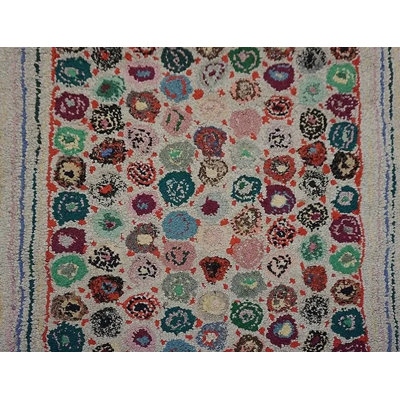
This is an antique one-of-a-kind 2'0" x 21'0" Runner rug, hand hooked in wool before 1900. Antique Hooked Knotted Rug, Circa Date: 1880s. This extraordinary piece of textile history represents the finest examples of domestic craftsmanship, utilizing recycled fabrics and a primitive, yet highly effective, knotted technique. Such antique rugs are cherished not only for their age but for the intimate narrative woven into their construction. The design features a dense, repeating pattern of multicolored circular motifs, giving the impression of an allover design that extends infinitely down the length of the piece. The palette is rich yet restrained, employing deep reds, muted blues, and forest greens against a light, neutral ground, reflecting the natural dye processes available in the late 19th century. Given its exceptional length and narrow width, this textile was specifically crafted to serve as a grand-scale hallway runner rug . Its dimensions make it an ideal choice for historic homes or contemporary spaces requiring a unique, linear floor covering that draws the eye through an expansive corridor. (Note: Actual size is 2ft x 21ft) Originating from the domestic workshops, this piece is a testament to the ingenuity and resourcefulness of Rugs makers during the post-Civil War era. The combination of its folk art aesthetic and durable construction ensures its lasting value as a collectible artifact.
Nazmiyal Collection
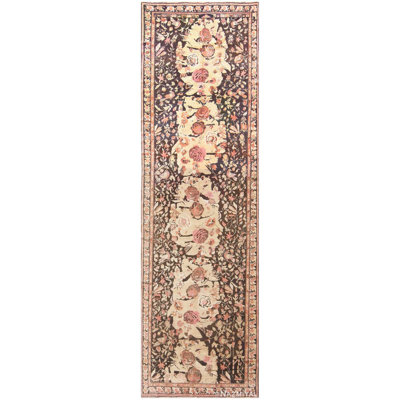
Floral Yet Tribal and Rustic Long and Narrow Antique Karabagh Runner Rug, Country Origin: Caucasus, Woven In / Around The Year: 1900 — Bright, bold, and striking, the impactful pattern of this magnificent Caucasian rug is a long and narrow Karabagh runner that creates an impactful and dramatic piece. Woven by hand in the foothills of the Caucasus, this stunning antique boasts the rich hues and bold geometrical design singular to Caucasian rugs. Rich, robust chocolate forms the background of the piece, providing a breathtaking complement to the soft peaches, rich pinks, and golden creams of the magnificently detailed motifs. This antique rug begins with a simplistic border done in warm yellow and pink, which gives swift way to a frame dominated by striking pink and white-yellow florals.
Doris Leslie Blau
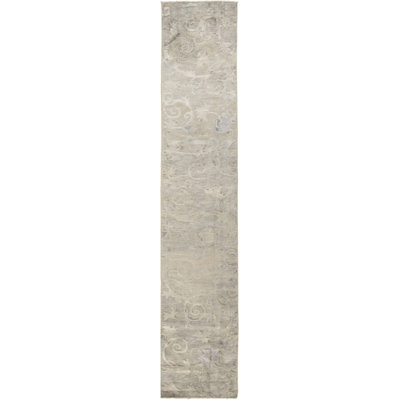
The elegance of antique Chinese rugs and carpets made them internationally recognizable, but their beauty is not the only reason for their popularity they seem to enjoy. Known for the great quality of their weave, they continue to charm both art collectors and interior designers. This stunning carpet runner, woven circa 1880 by an undoubtedly talented weaver, displays a stunning pattern that immediately draws the eye. It was achieved not by mere weaving, but by experimenting with the height of the pile. It features a composition of thick elaborate vines, large leaves, and delicate flowers in full bloom, undoubtedly inspired by traditional Chinese floral motifs. The color palette chosen by the vintage carpet weaver was based on the different shades of gray. This antique carpet runner is bound to serve both you and your family for the decades to come, so allow yourself that bit of luxury!

Hand-knotted in high-quality wool and originating from east Turkestan in 1920, this antique Khotan runner features a notably unique and subversive field design with horizontal medallion patterns. Uncommon to transitional Khotan designs typically favoring vertical and mirrored patterns, the salmon pink, cream, and royal blue colorways host a variety of floral designs in several trees of life patterns, symbolizing eternal life and beauty.
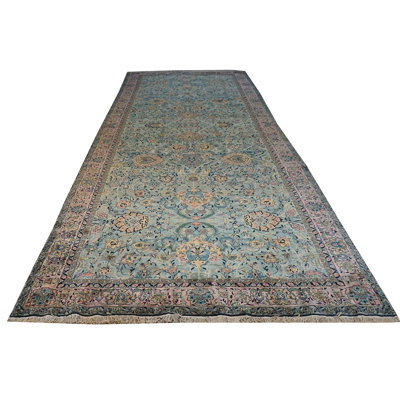
This floral hand-knotted wool rug is a one-of-a-kind piece from the Indian weaving tradition. Worked entirely by hand in wool, it carries the depth of color and gentle patina only an authentic original develops over decades. The Blue and Tan coloring reads as warm and grounding, layering beautifully with both antique and modern furnishings. Measuring approximately 6'x18', it is large enough to anchor a great room, open-plan living, or formal dining space. As a single original weaving, no two are alike, making it a genuine collectible for layered, design-forward interiors.

Antique Rug Studio
This is an antique one-of-a-kind 1'0" x 37'7" Runner rug, hand knotted in wool in Turkmenistan before 1900. Hallway Runner Rugs (1ft x 37.07ft), Country of Origin: Central Asia, Circa Date: 1800s. This exceptional textile is an authentic example of nomadic weaving, specifically a tent band, or yolami , created by the Yamoud tribe during the 1800s in the region of Central Asia. Unlike typical floor coverings, this piece is composed of long, narrow panels designed for structural use within a yurt, making it an extraordinary example of Hallway Runner Rugs (1ft x 37.07ft) in form, though not in original intent. The sheer length and intricate construction classify it as a rare find among antique rugs of Central Asian origin. The complex, highly stylized geometric motifs are arranged in a repeating, continuous fashion, forming a powerful allover design that showcases the weaver's mastery of the traditional Turkmen vocabulary. The design is characterized by stylized trees of life and powerful tribal guls , rendered with remarkable precision. A restrained yet vibrant palette dominates the composition, utilizing deep madder reds, aubergine, and indigo against a creamy natural wool foundation, resulting in the rich saturation typical of jewel-tone rugs from this period. This piece offers a profound connection to the history of Central Asian nomadic art and textile engineering.
Nazmiyal Collection
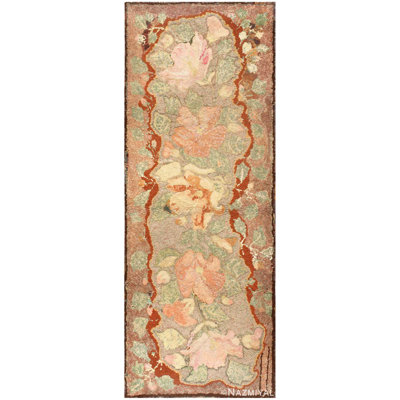
The distinct lack of symmetry present in this antique rug creates a much more natural arrangement. From the way that the colors are set together to the abstract patterns of the foliage, everything about the hooked rug seems to be organic and inviting. Beautiful lilies of pink, red and buttermilk line down vertically along the center of the piece, framed by a rich maroon background that seems to stand out as lines of dirt more than any solid framework. Around these primary flowers are smaller, blossoming perennials that draw the viewer’s attention to the finer details.
Doris Leslie Blau
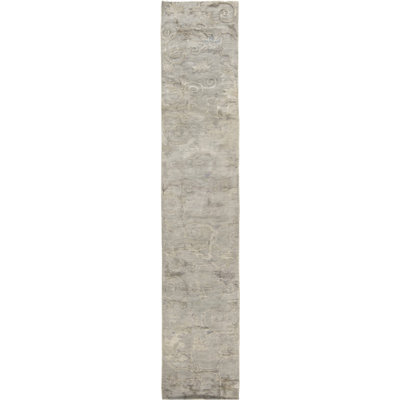
The elegance of antique Chinese rugs made them internationally famous, but their beauty is not the only reason for their popularity they seem to enjoy. Famed for the great quality of their weave, they continue to charm both collectors and designers. This stunning runner, woven circa 1880 by an undoubtedly talented weaver, displays a stunning pattern inspired by traditional Chinese floral motifs. It features a composition of thick elaborate vines, large leaves, and delicate flowers in full bloom. However, the pattern was achieved not by mere weaving, but by experimenting with the height of the pile. When it comes to the color palette we are given a delightful combination of silver and gray with elements of tasteful blue to bring out the pattern’s charm. Exclusive collection of antique, vintage rugs including our famous collection of large area rugs by Doris Leslie Blau. Nader Bolour the owner of Doris Leslie Blau's rugs and carpets gallery is the largest rugs dealer in the world. We invite you to view the largest collection of antique carpets and antique rugs for sale.