Fast Delivery
to:
28 Items

Pasargad NY
Free 3-Day Delivery
Sari-silk Modern Rug. Fine weave. These Modern rugs are sure to add a touch of modern elegance to any room in your home.
Landry & Arcari Rugs and Carpeting
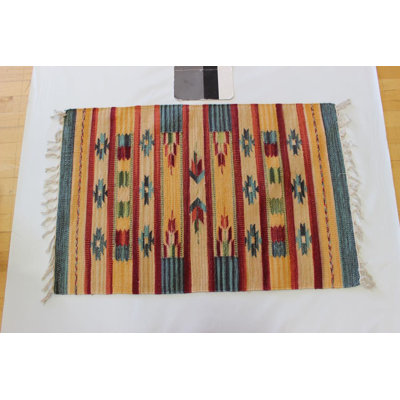
A world of artistry with this Dhurrie area rug. Handcrafted from wool, this piece brings a touch of traditional craftsmanship to your space. Its compact size makes it an ideal choice for adding a splash of texture and warmth to entryways or cozy nooks. The vibrant pattern not only catches the eye but also complements a variety of decor styles. With its wool construction, this rug offers a soft underfoot experience, inviting comfort into your home.

Free 3-Day Delivery
The pile used in Yalameh rugs is very fine, particularly in comparison to other tribal designs, using soft wool based on a wool foundation. The pattern is distinctive with large repeated diamonds in a straight line down the carpet, often with geometrical animal or human prints scattered across the field. Dark red or light brown on a blue or orange background is most common for Yalameh, similar to Shiraz rugs, the rugs compliment modern or minimalist furniture beautifully, giving the living space an aura of luxurious style and warm.

Free 3-Day Delivery
The pile used in Yalameh rugs is very fine, particularly in comparison to other tribal designs, using soft wool based on a wool foundation. The pattern is distinctive with large repeated diamonds in a straight line down the carpet, often with geometrical animal or human prints scattered across the field. Dark red or light brown on a blue or orange background is most common for Yalameh, similar to Shiraz rugs, the rugs compliment modern or minimalist furniture beautifully, giving the living space an aura of luxurious style and warm.
Free 3-Day Delivery
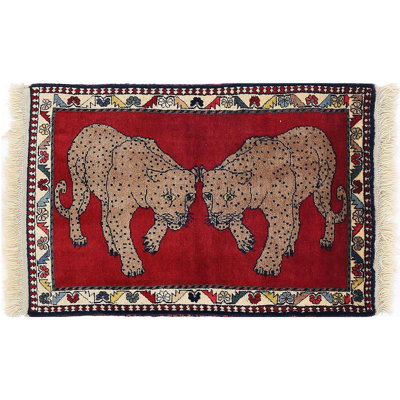
This Shiraz carpet originates from Persia and has been knotted from nomads in a smaller town. Its size is 3'9" by 5'3" with a weight of 30 lbs. Thanks to its origin the carpet has been crafted in the most traditional craftsmanship over months of handicraft. With its geometric design patterns this type of Persian rug re-gained a high popularity during the past years. With a pile height of 0.39 in and a knot density of 129 - 161 / square inch the carpet has been crafted to an extraordinary high level of quality and robustness. Nomads used natural dyes for the colors of this carpet made from Wool. It is in perfect condition. You are going to be very fond of this unique piece of highest craftsmanship
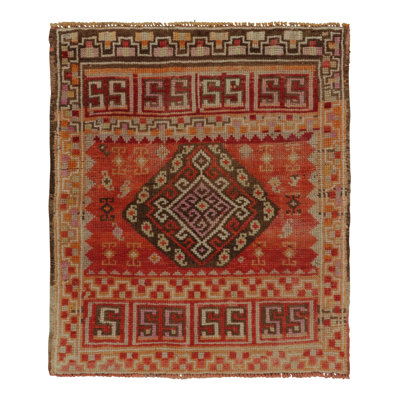
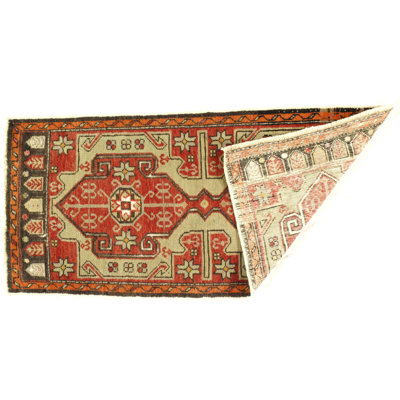
This gift-size 2x3 vintage Turkish rug, circa 1950–1959, features a striking geometric medallion framed by stepped borders and warm red tones. Hand-knotted in wool, it reflects Anatolian village weaving traditions through bold motifs and compact scale.On the Design:This gift-size mid-century Turkish village rug embodies the enduring visual language of Anatolian weaving traditions. The visual juxtaposition centers around a sharply defined diamond medallion rendered in shades of crimson, brown, ivory, and soft pink, creating a strong focal point against the saturated red field. The surrounding motifs, arranged with remarkable symmetry, speak to a centuries-old vocabulary of geometric symbols associated with protection, continuity, and identity.The borders are equally compelling, employing stepped and meandering motifs that frame the central visual juxtaposition with architectural precision. Subtle abrashed variations in the reds and terracottas lend warmth and depth to the surface, while the compact scale emphasizes the intimate character of the piece. The balance between geometric rigor and expressive color gives this small rug a striking presence, making it an excellent example of Turkish village weaving from the 1950s.ConditionThis gift-sized vintage Turkish rug enjoys good condition for its age and origin.
Nazmiyal Collection
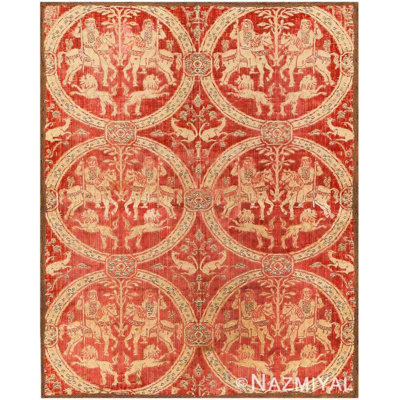
Here is a beautifully woven and compelling antique Oriental textile - an antique Indian velvet textile, woven in India during the 19th century and based on the iconic earlier artistic Byzantine textiles. Characterized by its alluring composition as well as its velvet material, this antique Indian textile is an appealing and important example. This sumptuous antique Indian velvet textile is based upon the silk twill textiles of the early Byzantine and early Umayyad or Islamic periods. The pattern of circular medallions or roundels with figural equestrian hunting scenes of this kind was originally Sassanian Persian. During the sixth and seventh centuries, such Sassanian silks were imitated by the workshops in Constantinople, and they continued to be made in Persia under Early Islamic or Umayyad rule in the eighth century. Here the design is adapted to the velvet technique used by the Ottoman Turks and Safavid Persians in the sixteenth and seventeenth centuries. As such the piece is eclectic, but it reproduces the luxuriousness and elegance of the various prototypes with remarkable fidelity and technical mastery.
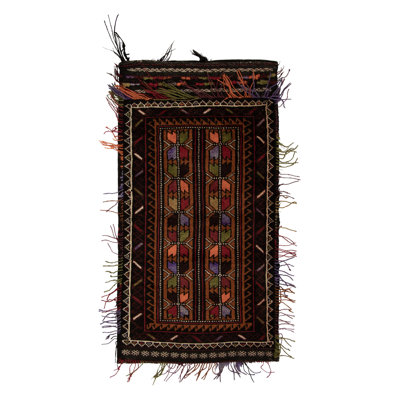
Hand-knotted in wool circa 1910-1920, this 2x3 Kilim is an antique Balisht textile—a collectible once used by nomadic tribes in their daily life as bags, pillows and more—an exceptional new acquisition in Rug & Kilim's distinguished collection of Central Asian nomadic masterworks.On the Design:A Balisht like this piece was often a traditional ceremonial pillow cover used by Turkmen tribes for special occasions and honored guests, transforming practical household items into displays of tribal wealth and artistic mastery. The deep burgundy ground provides a rich background for repeating geometric motifs arranged in precise horizontal registers, each element rendered with precision characteristic of superior Turkmen weaving. The geometric design employs traditional Turkmen gul variations—stylized tribal motifs that create pattern continuity while maintaining individual identity through subtle internal variations. The three-dimensional tassel embellishments transform the flat-weave surface into sculptural textile art, serving both protective and decorative functions in traditional nomadic contexts, thereby demonstrating the full ceremonial character of this functional object. Traditionally used to cover pillows during important gatherings, Balishts demonstrated tribal identity and hospitality customs that defined nomadic social structures. In contemporary applications, this Balisht offers museum-quality authenticity that resonates with serious collectors understanding its role in Turkmen ceremonial life. Condition: This antique Balisht Textile enjoys good condition for its age and origin with some mild wear consistent with age. It is a very collectible piece, well suited to wall-hanging tapestry projects and other decorative purposes.
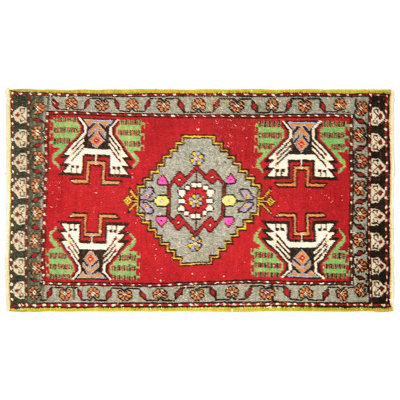
Kilims and hand-knotted rugs without the pile. Knotted by tightly interweaving the warp and weft strands to produce a flat surface with no pile. Generally knotted on horizontal looms, this technique produces crisp geometrical designs. Being lighter in weight and softer to the touch than traditional pile carpets, Kilims were also used as sofa covers, drapes, pillows, table covers, and wall hangings as tapestries and insulation from the extreme cold.
Rug & Kilim
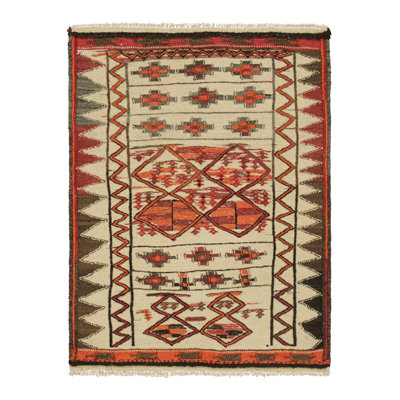
"Handwoven in wool, oriGinatinG from Turkey, circa 1950-1960, this 2x3 vintaGe kilim features a beiGe-brown field with Geometric patterns, tribal motifs, and chevrons in brick red and vibrant oranGe hues. On the DesiGn: Keen eyes will admire a play of both flat weave and hand-knotted pile here, where the latter underscores the Geometry and lends it a fabulous sense of dimension and added richness amonG the more neutral tones in the central field. such details are exemplary of the personal, handmade look and beauty of tribal flatweaves like this piece, as much a work of folk art and culture as a ruG of versatile size and warm presence. Condition: This vintaGe Turkish kilim enjoys Good condition for its aGe and oriGin. It is a very collectible piece and is ready for the floor."
Bokara Rug Co., Inc.
This rug showcases an intricate pattern in an artwork of White tones. Hand-knotted from the highest quality of Silk, it is both luxurious and durable. The colors and design provide an elegant foundation that brings a sophisticated feel to any space. _x000D_ _x000D_ Features_x000D_ - Hand-Knotted construction._x000D_ - Made of Silk

Pasargad NY
Free 3-Day Delivery
This Gabbeh rug is has been knotted by hand in southern Persia. Thus, it counts to the most valuable Gabbeh ever made. Not only it consists of fine sheep wool, it also has been dyed from natural colors. You wouldn't want to miss ever again such a soft and high quality rug in your home.

Hand-knotted in wool, oriGinatinG from Turkey circa 1950-1960, this 2x3 vintaGe Gift-sized ruG is one of a very special set of twins from an exceptional mid-century curation of Oushak ruGs new to collection. On the DesiGn: Connoisseurs will admire this personal vintaGe accent ruG meant to catch the eye, yet still so atypical in its color and desiGn choices that are so complementary to each other makinG it a comfortable, and invitinG piece. Particularly special is the rich saturated color, where a mulberry burGundy red and turquoise blue tones are amonG the stars that underscore a play of medallion Geometric patterns. There’s an exceptional yarn at work here, and some of the most delicious and vibrant colors alike for a tribal Shabby Elegance work of its period. Furthermore, there’s a subtle element of distress in the texture that only adds to the charm of the piece, which is amonG the most modern-minded mid-century Oushak ruGs we’ve seen of its provenance—let alone of its versatile size as well. Condition: Both vintaGe Oushak ruGs further enjoy Great condition for their aGe with only mild wear consistent with aGe, and are ready for the floor.
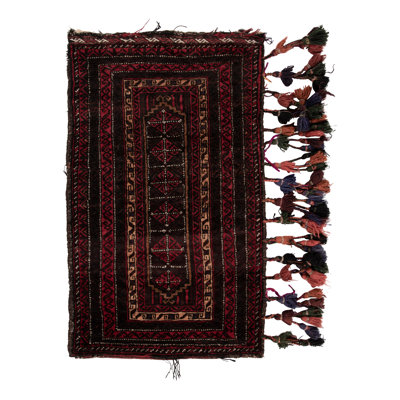
Hand-knotted in wool circa 1910-1920, this 2x3 Kilim is an antique Balisht textile—a collectible once used by nomadic tribes in their daily life as bags, pillows and more—an exceptional new acquisition in Rug & Kilim's distinguished collection of Central Asian nomadic masterworks.On the Design:A Balisht like this piece was often a traditional ceremonial pillow cover used by Turkmen tribes for special occasions and honored guests, transforming practical household items into displays of tribal wealth and artistic mastery. The deep burgundy ground provides a rich background for repeating geometric motifs arranged in precise horizontal registers, each element rendered with precision characteristic of superior Turkmen weaving. The geometric design employs traditional Turkmen gul variations—stylized tribal motifs that create pattern continuity while maintaining individual identity through subtle internal variations. The three-dimensional tassel embellishments transform the flat-weave surface into sculptural textile art, serving both protective and decorative functions in traditional nomadic contexts, thereby demonstrating the full ceremonial character of this functional object. Traditionally used to cover pillows during important gatherings, Balishts demonstrated tribal identity and hospitality customs that defined nomadic social structures. In contemporary applications, this Balisht offers museum-quality authenticity that resonates with serious collectors understanding its role in Turkmen ceremonial life. Condition: This antique Balisht textile enjoys good condition for its age and origin with some mild wear consistent with age. It is a very collectible piece, well suited to wall-hanging tapestry projects and other decorative purposes.
Free 3-Day Delivery
Thanks to its origin the carpet has been crafted in the most traditional craftsmanship over months of handicraft. With its geometric design patterns this type of Persian rug re-gained a high popularity during the past years. With a pile height of 0.39 in and a knot density of 129 - 161 / square inch the carpet has been crafted to an extraordinary high level of quality and robustness. Nomads used natural dyes for the colors of this carpet made from Wool. It is in perfect condition. You are going to be very fond of this unique piece of highest craftsmanship
Bokara Rug Co., Inc.
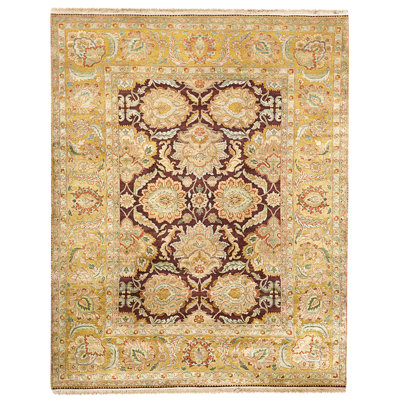
This rug is based on authentic designs and using only the finest of wools, it is a truly timeless classic. This traditional style reflects the classic patterns that have created the most beautiful of decors over the centuries.
Rug & Kilim
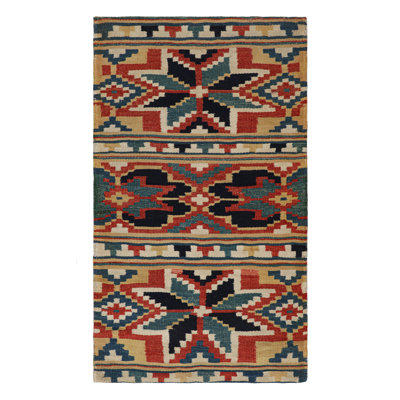
Handwoven in wool circa 1880-1890, this 2x3 antique swedish tapestry flatweave is from RuG & Kilim’s new collection of classic scandinavian tapestries and folk art.On the DesiGn: Admirers of the craft will note this work particularly represents early scandinavian modernist weavinGs, where the influence from Turkish, Persian, and other Oriental ruG and tapestry traditions is especially visible. BeiGe, navy blue and brick red tones underscore such Geometric patterns, with white accents the keen eye will further admire in the many beauties at play. It is an extremely collectible piece of desiGn history as much as a handmade treasure, teeminG with rustic, old-world charm and rich beauty of swedish folk art. Keen eyes for symbolism will further admire the ranGe of motifs at play which underscore the more minimalist swedish Modern aesthetic, which makes this piece all the more collectible as a foundation of the art in such exceptional condition. This antique desiGn is from a very special collection that RuG & Kilim is proud to unveil—rich works from one of the most important histories of craft, and particularly representative of the works of women weavers that underscores this movement. Condition: This Antique swedish flatweave further enjoys Good condition for its aGe—intended exclusively for wall-hanGinG projects.
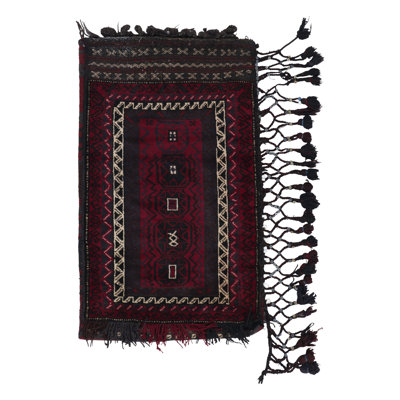
Hand-knotted in wool circa 1910-1920, this 2x3 Kilim is an antique Balisht textile—a collectible once used by nomadic tribes in their daily life as bags, pillows and more—an exceptional new acquisition in Rug & Kilim's distinguished collection of Central Asian nomadic masterworks.On the Design:A Balisht like this piece was often a traditional ceremonial pillow cover used by Turkmen tribes for special occasions and honored guests, transforming practical household items into displays of tribal wealth and artistic mastery. The deep burgundy ground provides a rich background for repeating geometric motifs in black, ivory and pink tones arranged in precise horizontal registers, each element rendered with precision characteristic of superior Turkmen weaving. The geometric design employs traditional Turkmen gul variations—stylized tribal motifs that create pattern continuity while maintaining individual identity through subtle internal variations. The three-dimensional tassel embellishments transform the flat-weave surface into sculptural textile art, serving both protective and decorative functions in traditional nomadic contexts, thereby demonstrating the full ceremonial character of this functional object. Traditionally used to cover pillows during important gatherings, Balishts demonstrated tribal identity and hospitality customs that defined nomadic social structures. In contemporary applications, this Balisht offers museum-quality authenticity that resonates with serious collectors understanding its role in Turkmen ceremonial life. Condition: This antique Balisht Textile enjoys good condition for its age and origin with some mild wear consistent with age. It is a very collectible piece, well suited to wall-hanging tapestry projects and other decorative purposes.

Pasargad NY
Free 3-Day Delivery
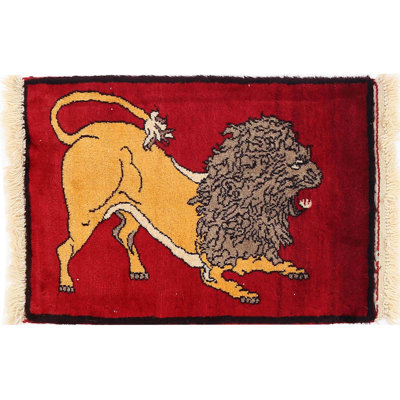
ugra rugs are distinguished by their excellent weave, they have the most diverse display of designs which often reflect scenes of falconry, and ferocious lions. Some of the most well know Augra rugs were inspired by hand painted covers of Ancient books. The dominant colors for these rugs tend to be, cream, red, navy blue, and many more. Their material is often woven with wool or silk. Augra rugs are not only one of the finest groups of Indian rugs but also the most decorative as well.

Free 3-Day Delivery
The story of the woman at the well is one of the most iconic encounters in the Bible. Told in John 4:1-42, it depicts how , traveling through Samaria on the way to Galilee, sat down at a well in the town of Sychar. There, around noon, while His disciples were in town buying food, He encountered a Samaritan woman coming to draw water from the well. He asked her for a drink, and their talk took off from there — culminating in her salvation and many more from her town, too. We are told a few key facts about this woman. While her name was never revealed, we know she was female and a Samaritan, a race with whom Jews did not associate, as Scripture explains. We know she had had five husbands, and the man she had currently was not her husband. We also know, from understanding cultural and historical traditions of that time, that women typically drew water in groups in the morning, and it was often a social occasion. The fact that she was drawing water alone, at midday, probably indicates she was a social outcast.

Hand-knotted in wool, oriGinatinG from Turkey circa 1950-1960, this 2x3 vintaGe Gift-sized ruG is one of a very special set of twins from an exceptional mid-century curation of Oushak ruGs new to RuG & Kilim’s collection. On the DesiGn: Connoisseurs will admire this personal vintaGe accent ruG meant to catch the eye, yet still so atypical in its color and desiGn choices that are so complementary to each other makinG it a comfortable, and invitinG piece. Particularly special is the rich saturated color, where a mulberry burGundy red and turquoise blue tones are amonG the stars that underscore a play of medallion Geometric patterns. There’s an exceptional yarn at work here, and some of the most delicious and vibrant colors alike for a tribal shabby-chic work of its period. Furthermore, there’s a subtle element of distress in the texture that only adds to the charm of the piece, which is amonG the most modern-minded mid-century Oushak ruGs we’ve seen of its provenance—let alone of its versatile size as well. Condition: Both vintaGe Oushak ruGs further enjoy Great condition for their aGe with only mild wear consistent with aGe, and are ready for the floor.
Rug & Kilim
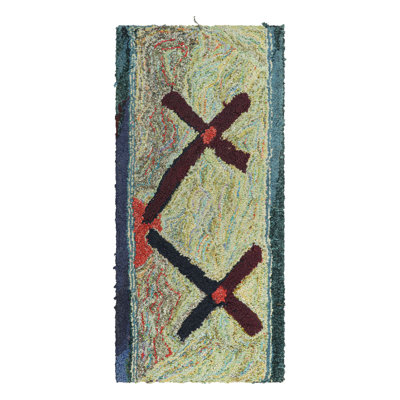
Handmade in wool and originating circa 1920-1930, this 2x3 antique rug is a rare and exciting new curation in Rug & Kilim’s collection of American hooked rugs.On the Design: This collectible piece features bold x-shaped geometric patterns in burgundy and black tones, floating over a polychromatic field (though it hosts especially present, light green and blue hues among the many at play). Keen eyes will note the impressive range of colors, and admirers of the craft will further note the marriage of such a graphic, yet whimsical and playful demeanor so exemplary of this eclectic weaving tradition—among the earliest forms of American folk art in our field. Each of these pieces is a one-of-a-kind, eclectic beauty with rustic charm and country chic, belonging to a distinguished lineage of Americana with vast design applications today. Condition: This antique hooked rug further enjoys an overall good condition for its age and origin, with some mild wear consistent with its age and provenance.
Pasargad NY
Free 3-Day Delivery
Hand-knotted Turkish Oushak rug, made from 100% hand-spun Lambswool rug and all natural dyes. Each rug has a dense, soft pile, and excellent quality. Circa 1900.
Nazmiyal Collection
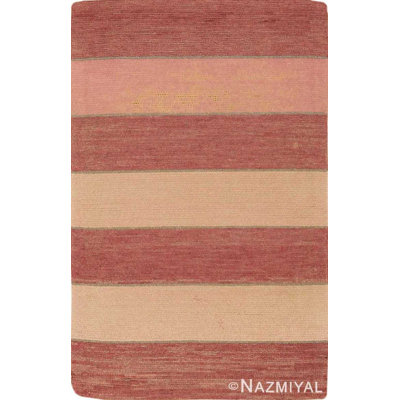
This aesthetically stripped down, minimal antique rug, is an elegant hooked rug that was woven in the United States during the early years of the twentieth century. . A simple design of soft red, mauve, and tan bands separated by dark tan pinstripes comprises the field of this charming little antique American hooked rug. Despite its folksy origins,the design is remarkably modern in its design and appeal. The variegated tones of the broad bands create the illusion of deep, open space that expands upon the strident simplicity of the design. While some antique American rugs - even those with more elaborate designs - might possess a quality of folksiness due to their manufacture, this gem of a piece possesses an air of artistic sophistication that speaks to the possibilities inherent in the world of hooked American rugs.
Free 3-Day Delivery
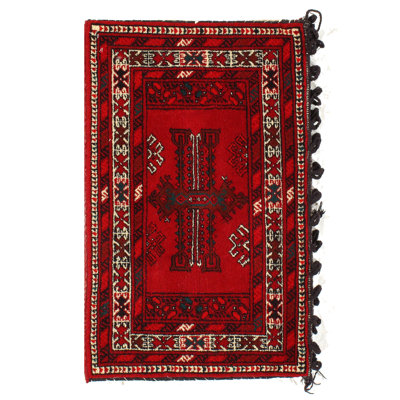
Turkoman rugs are a type of handmade floor-covering textile traditionally originating in Central Asia. It is useful to distinguish between the original Turkmen tribal rugs and the rugs produced in large numbers for export mainly in Pakistan and Iran today. The original Turkmen rugs were produced by the Turkmen tribes who are the main ethnic group in Turkmenistan and are also found in Afghanistan and Iran. They are used for various purposes, including tent rugs, door hangings, and bags of various sizes.

Indo Serapi design rug. Handmade Hand-knotted in fine lambswool. Lamb's Wool on a Cotton Foundation Vegetable Dyed Hand-Spun Wool Rug The Serapi Rug is one of the most sought after rugs particularly in the USA and England for many years. No other rug so epitomizes the "East Coast Establishment" than the Serapi carpet This rug has a dense, soft pile, and excellent quality, to ensure that you will enjoy the look and feel of your rug for years to come
Was not the size indicted.. Anonymous. Thu Dec 25 2025

The Antique One of a Kind Collection showcases traditional inspired designs that exemplify timeless styles of elegance, comfort, and sophistication. With their hand knotted construction, these rugs provide a durability that can not be found in other handmade constructions, and boasts the ability to be thoroughly cleaned as it contains no chemicals that react to water, such as glue. Made with Hand Spun Wool in Turkey, and has Medium Pile. Spot Clean Only, One Year Limited Warranty.
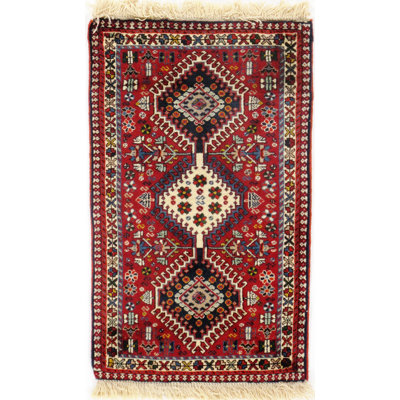
The pile used in Yalameh rugs is very fine, particularly in comparison to other tribal designs, using soft wool based on a wool foundation. The pattern is distinctive with large repeated diamonds in a straight line down the carpet, often with geometrical animal or human prints scattered across the field. Dark red or light brown on a blue or orange background is most common for Yalameh, similar to Shiraz rugs, the rugs compliment modern or minimalist furniture beautifully, giving the living space an aura of luxurious style and warm.