Rosenthal

Everything for the Well-set Table
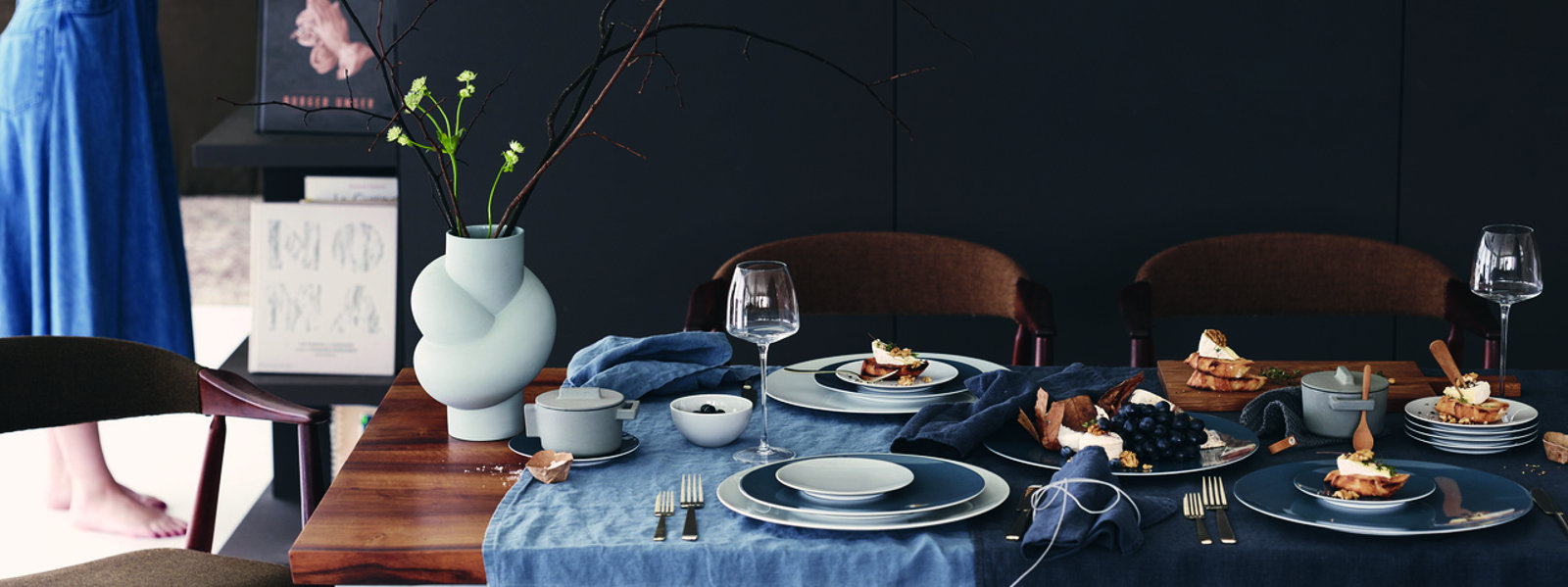
Rosenthal offers high-end brands. The Rosenthal studio line is design-oriented, with avant-garde services and objects of art in porcelain and glass. While Rosenthal classic remains timelessly beautiful, with their elegant porcelain collections.
Shop by Category
Rosenthal
406 Items
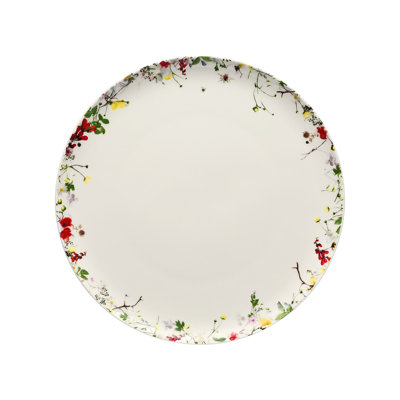
The design for Fleurs Sauvages draws on the sensations of blooming flowers, the humming of insects, delicate leaves, and cool grass to give the overall impression of a walk in a summer’s paradise. Inspired by the glorious harmony of the different plants in a flower meadow, Swiss textile designer Regula Stüdli came up with an arrangement of wildflowers and intricate twigs, scattered haphazardly and in striking contrast to the green leaves and white blossoms.
Beautiful! Delivered well-packed and on time.. Ruena. Pensacola, FL. Thu Oct 10 2024

2 Colors
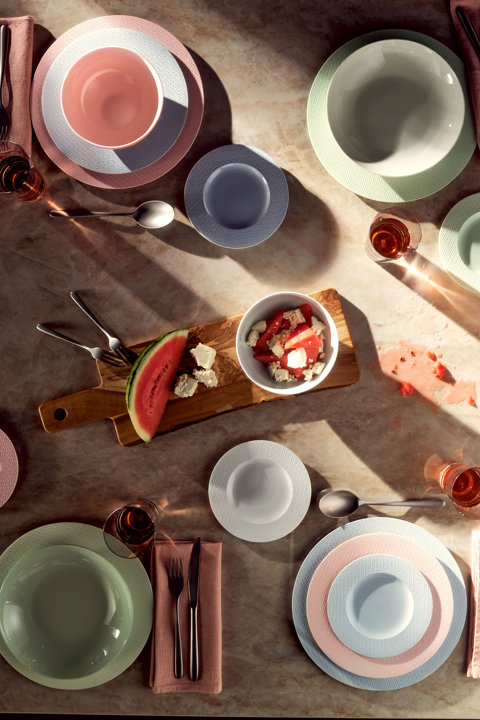
Woven patterns are the eye-catchers of the new Rosenthal Kumi line. Inspired by the artisanal handcrafting of producing baskets, leather handbags, and furniture, Kumi focuses on the delicate look of hand-woven fabrics. The line, consisting of cereal bowls, is made of silicate porcelain—a material that is resistant to breakage and impact and is also slightly transparent. The very flat rim and the outside of the bowls remain unglazed and accentuate the lively and delicate woven structure.
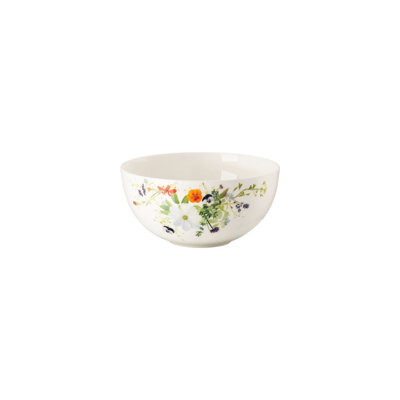
Swiss textile designer Regula Stüdli takes us on a walk through the lush herb garden. The new floral decor of Grand Air is as light and fresh as a natural experience in the fresh air. As if blown by the wind and combined by nature into a multicolored flower ensemble, spicy herbs, and edible blossoms arranged in small bunches, scattered loosely or arranged in circles to form ornaments, float freely over the Brillance form and merge with it to form a sensual whole. The almost transparent porcelain body underlines the elegance and lightness of the graceful floral decor. Fragrant herbs such as rosemary, thyme, and lavender, bright meadow flowers such as nasturtium and marigold combined with the filigree beauty of cosmea, come together with other edible wildflowers such as cornflower, pansies and daisies in the picturesque flowerbed. Slightly poisonous flowers used as medicines glow a delicate pink. Service plates and bread plates in soft sage green provide freshness and tranquillity and contrast with the white bone china. Grand Air is a delightful play with nature and a feast for all the senses.
Rosenthal
Kumi - Salad Rim Plate 9 In
2 Colors
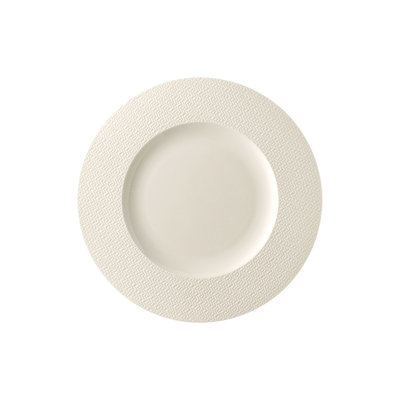
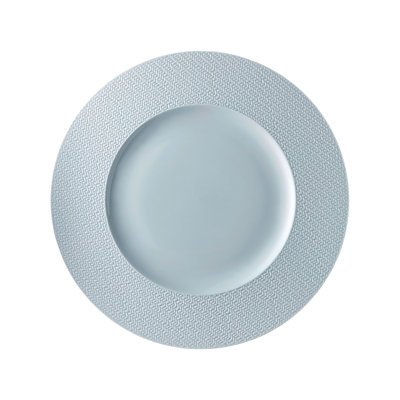
Woven patterns are the eye-catchers of the new Rosenthal Kumi line. Inspired by the artisanal handcraft of producing baskets, leather handbags, and furniture, Kumi focuses on the delicate look of hand-woven fabrics. The line, consisting of bread plates, breakfast plates, dinner plates, soup plates, cereal bowls, and mugs, is made of silicate porcelain, a material that is resistant to breakage and impact and is also slightly transparent. The very flat rim and the outside of the bowls remain unglazed and accentuate the lively and delicate woven structure.
Rosenthal
Kumi Porcelain Dinner Plate
2 Colors
Woven patterns are the eye-catchers of the new Rosenthal Kumi line. Inspired by artisanal handicraft, such as producing baskets, leather handbags, and furniture, Kumi focuses on the delicate look of hand-woven fabrics. The line consisting of bread and butter plates, breakfast plates, dinner plates, soup plates, cereal bowls, and mugs is made of silicate porcelain, a material that is resistant to breakage and impact and is also slightly transparent. The very flat rim and the outside of the bowls remain unglazed and accentuate the lively and delicate woven structure.
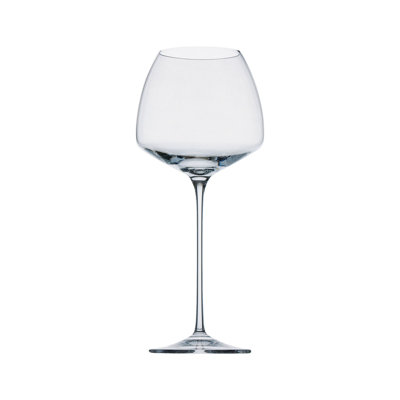
This wonderful Rosenthal stemware is called TAC 02. It is produced using the finest crystal creating a style that is best described as modern and design-oriented. The most prominent color of this item is crystal. The red wine is sold as a single piece.
2 Colors
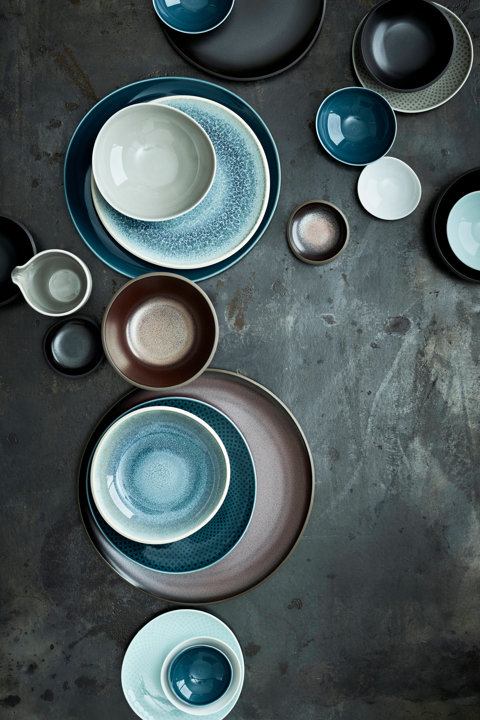
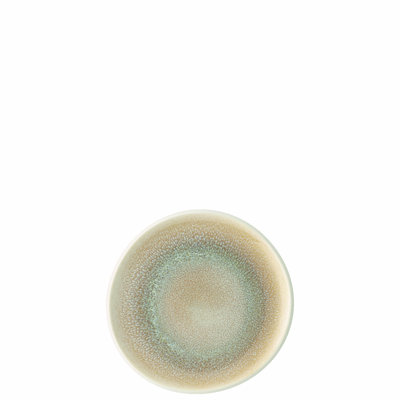
Eating together, having a good time, and celebrating life is the Junto design innovatively and playfully brings together people and their love of good food from all over the world. A subtle fusion of fine porcelain, sumptuous ceramics, and warm wood enables all manner of combinations for any cuisine. The fine porcelain features a delicate diamond relief. To provide an appropriate contrast to the fine porcelain, the collection also offers the major pieces as vibrant, earthy stoneware with a special reactive glaze.
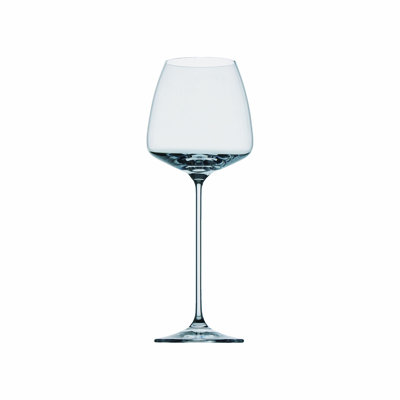
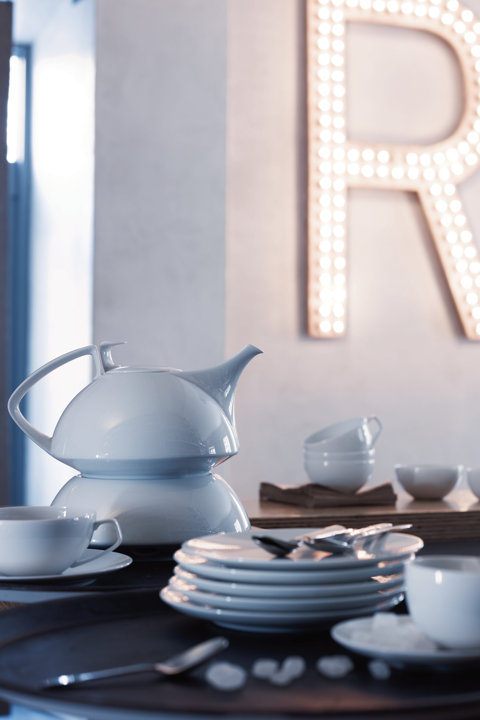
Tac 02 was created from Walter Gropius' unedited original designs. Purist design, based on simple geometric shapes, lends "Tac" a timeless poetry. Delicate ornamentation and stark black and white contrasts on the finest, slightly translucent porcelain emphasize the outstanding design features of this icon of Bauhaus design. Tac 02 offers a dinnerware, stemware, and tea service collection. The Tac collection, which was created in 1969 and named after Gropius Boston office the Architects Collaborative’, is one of the most successful porcelain series in the world. Its minimalist design, the use of simple hemispheres for both pot and cups and the playfulness of triangle and square shapes all remain true to Bauhaus tradition.
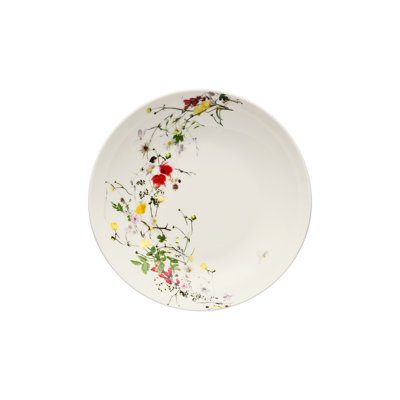
The design draws on the sensations of blooming flowers, the humming of insects, delicate leaves, and cool grass to give the overall impression of a walk in a summer’s paradise. Inspired by the glorious harmony of the different plants in a flower meadow, Swiss textile designer Regula Stüdli came up with an arrangement of wildflowers and intricate twigs, scattered haphazardly and in striking contrast to the green leaves and white blossoms.
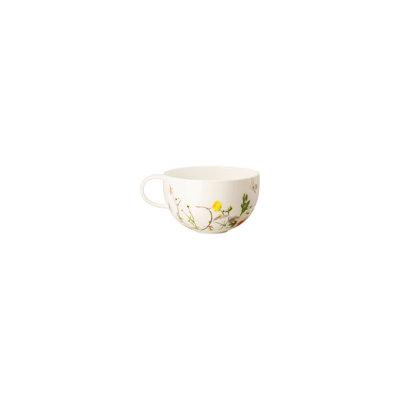
The design for Fleurs Sauvages draws on the sensations of blooming flowers, the humming of insects, delicate leaves, and cool grass to give the overall impression of a walk in a summer's paradise. Inspired by the glorious harmony of the different plants in a flower meadow, Swiss textile designer Regula Stüdli came up with an arrangement of wildflowers and intricate twigs, scattered haphazardly and in striking contrast to the green leaves and white blossoms.

Rosenthal
TAC Porcelain Salad/Dessert Plate
4 Colors
Rosenthal presents the TAC Porcelain Salad/Dessert Plate, a testament to the timeless poetry of Walter Gropius’ unedited Bauhaus designs. Named for his visionary office, The Architects Collaborative, this 1969 icon transforms simple geometric shapes into a sophisticated tabletop essential. Crafted from slightly translucent porcelain china, its rimless round form celebrates minimalist purity and functional art. Designed for the modern epicurean, this stackable piece is as resilient as it is elegant, offering chip-resistant durability that is safe for the oven, microwave, and dishwasher. It is a refined canvas for artisanal courses, blending historic pedigree with effortless utility.
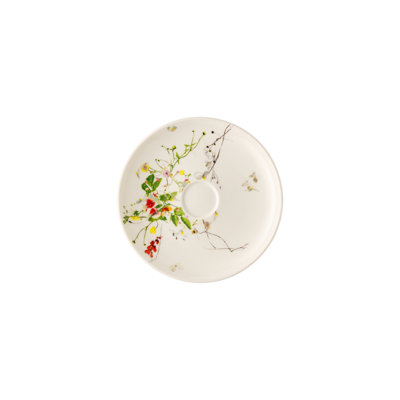
The design for Fleurs Sauvages draws on the sensations of blooming flowers, the humming of insects, delicate leaves, and cool grass to give the overall impression of a walk in a summer’s paradise. Inspired by the glorious harmony of the different plants in a flower meadow, Swiss textile designer Regula Stüdli came up with an arrangement of wildflowers and intricate twigs, scattered haphazardly and in striking contrast to the green leaves and white blossoms.
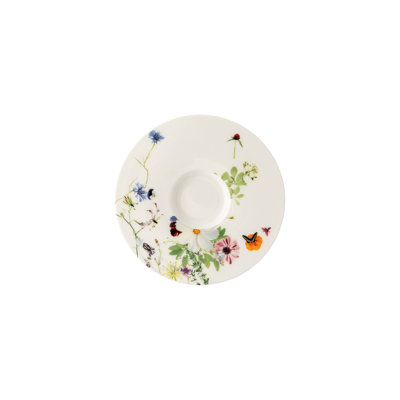
Swiss textile designer Regula Stüdli takes us on a walk through the lush herb garden. The new floral decor of Grand Air is as light and fresh as a natural experience in fresh air. As if blown by the wind and combined by nature into a flower ensemble, spicy herbs, and edible blossoms arranged in small bunches, scattered loosely or arranged in circles to form ornaments, float freely over the Brillance form and merge with it to form a sensual whole. The almost transparent porcelain body underlines the elegance and lightness of the graceful floral decor. Fragrant herbs such as rosemary, thyme, and lavender, bright meadow flowers such as nasturtium and marigold combined with the filigree beauty of cosmea, come together with other edible wildflowers such as cornflower, pansies, and daisies in the picturesque flowerbed. Slightly poisonous flowers used as medicines glow a delicate pink. Service plates and bread plates in soft sage green provide freshness and tranquillity and contrast with the white bone china. Grand Air is a delightful play with nature and a feast for all the senses.
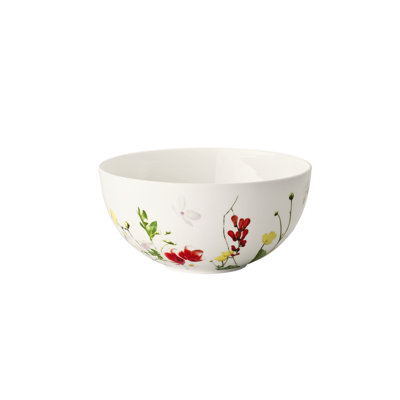
The design for Fleurs Sauvages draws on the sensations of blooming flowers, the humming of insects, delicate leaves, and cool grass to give the overall impression of a walk in a summer’s paradise. Inspired by the glorious harmony of the different plants in a flower meadow, Swiss textile designer Regula Stüdli came up with an arrangement of wildflowers and intricate twigs, scattered haphazardly and in striking contrast to the green leaves and white blossoms.
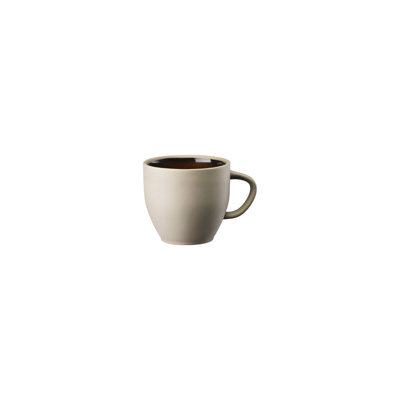
Rosenthal
Junto Handmade Stoneware Teacup
3 Colors
Eating together, having a good time, and celebrating life – the Junto design innovatively and playfully brings together people and their love of good food from all over the world. A subtle fusion of fine porcelain, sumptuous ceramics, and warm wood enables all manner of combinations for any cuisine. The fine porcelain features a delicate diamond relief. To provide an appropriate contrast to the fine porcelain, the collection also offers the major pieces as vibrant, earthy stoneware with a special reactive glaze.
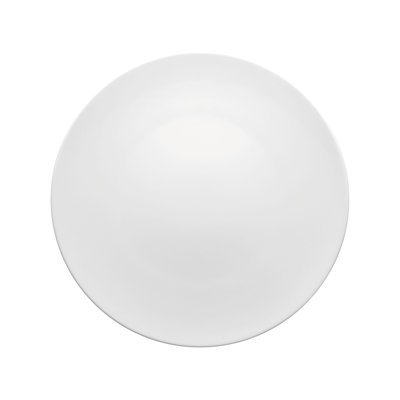
Rosenthal
TAC Porcelain Dinner Plate
4 Colors
Rosenthal presents the TAC Porcelain Dinner Plate, a masterwork of Bauhaus purism inspired by the original sketches of Walter Gropius. Named for his legendary studio, The Architects Collaborative, this 1969 icon translates minimalist geometry into timeless poetry. Each rimless, round piece is crafted from slightly translucent porcelain china, capturing a sophisticated playfulness of tradition. Designed for the refined home, this plate is as resilient as it is elegant, offering a stackable, chip-resistant form that is safe for the oven, microwave, and dishwasher. It is a functional heirloom that elevates every meal with architectural grace and enduring, scratch-resistant strength.
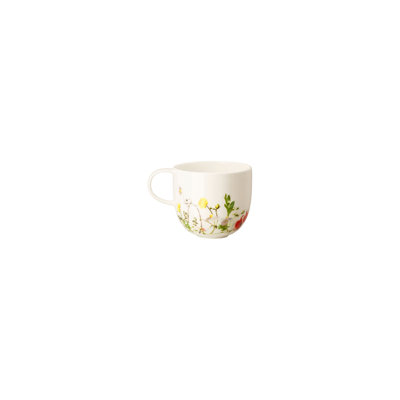
The design for Fleurs Sauvages draws on the sensations of blooming flowers, the humming of insects, delicate leaves, and cool grass to give the overall impression of a walk in a summer's paradise. Inspired by the glorious harmony of the different plants in a flower meadow, Swiss textile designer Regula Stüdli came up with an arrangement of wildflowers and intricate twigs, scattered haphazardly and in striking contrast to the green leaves and white blossoms.
Rosenthal
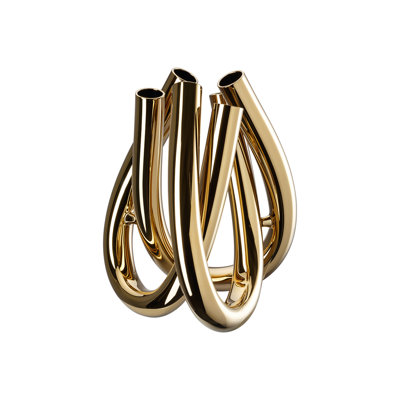
Triu Borosilicate Glass Jar
4 Colors
The Triu vases, which are made up of three slimline, U-shaped arms, seem at first glance like intertwined metal tubes. But in reality, the skilfully connected objects, which are available in gold, silver, copper and clear, make a dazzling impact thanks to robust borosilicate and a delicate titanium coating.
Love Love Love this! Very unique and elegant. Valerie. Bonita Springs, FL. Sun Jan 25 2026
Rosenthal
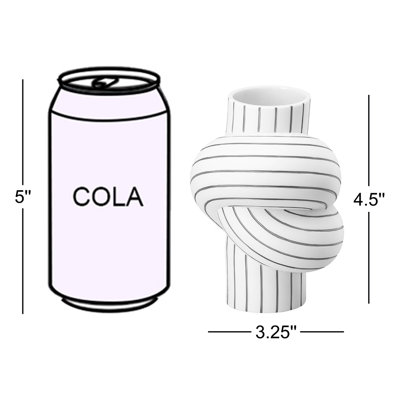
Node Porcelain China Table Vase
4 Colors
The new miniature table version of the Node vase takes a fresh look at its unique intertwined dynamic - its charm is revealed by a hand-painted striped design. The colors spark the desire for fruit ice cream and pitchers of freshly squeezed lemonade. With or without flowers, solo or as an ensemble, Node stripes equals good vibes - perfect gifts to get you in that summer mood all year round.
Beautiful little vase!. Todd. Thu Nov 21 2024

2 Sizes
"Paper bag vase": Design by Tapio Wirkkala. With the paper bag vase dated 1972, Tapio Wirkkala turns the pop art culture that set the tone at the time into a subject of irony. He succeeded, tongue in cheek, in creating an object that not only became a Rosenthal classic but has also been produced unaltered now for all these years.
Anonymous. Wed Apr 08 2026
Rosenthal
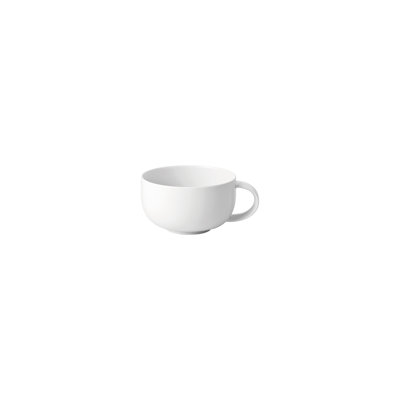
Suomi Porcelain Teacup
Smooth to the touch like a pebble that has been eroded by the tide – this is how Suomi feels. Designed for the studio line, it is the organic form combined with white porcelain and metal that makes this design so exciting. "I wanted to create a design that was timeless, brought joy, and conjured up memories over generations," the Finnish designer once stated in an explanation of his design. Suomi reflects a design tradition that effortlessly outlives the spirit of the times thanks to its clear and functional style.
Rosenthal
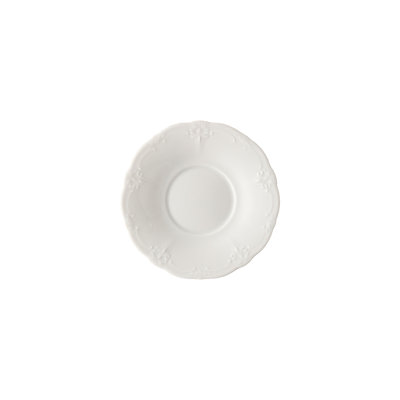
Baronesse Porcelain Saucer
This fascinating dinnerware is produced using the finest material creating a style that is best described as formal and elegant. A classic, radiating the lightness and vivaciousness of a romantic era when life was enjoyed to the full. Shape and relief complement each other perfectly. Baronesse creates a romantic mood.
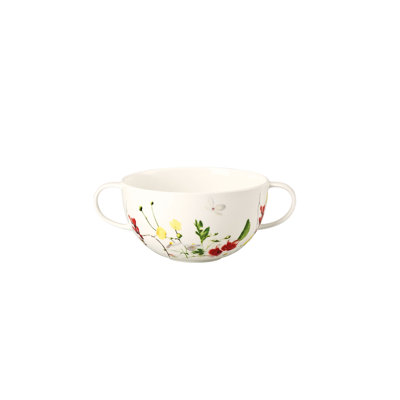
The design for Fleurs Sauvages draws on the sensations of blooming flowers, the humming of insects, delicate leaves, and cool grass to give the overall impression of a walk in a summer’s paradise. Inspired by the glorious harmony of the different plants in a flower meadow, Swiss textile designer Regula Stüdli came up with an arrangement of wildflowers and intricate twigs, scattered haphazardly and in striking contrast to the green leaves and white blossoms.
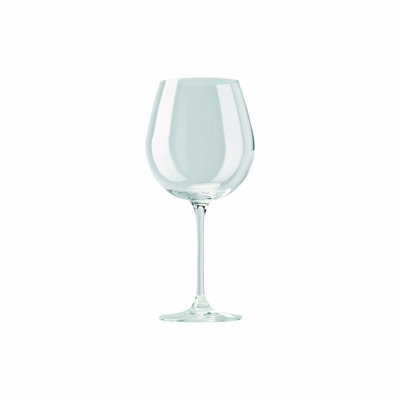
Delicate, thin glasses with clear-cut aesthetics for connoisseurs and epicures. Divino offers an uncomplicated range of different glass shapes and makes for the ideal companion for all porcelain series.
Wine glasses were package so well for shipping. Even these delicate glasses arrived to me in perfect condition! Thank you. Lori. Tue Aug 11 2026
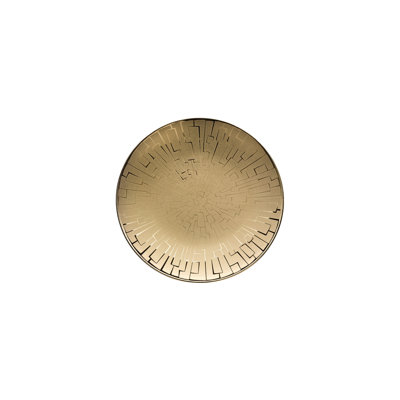
The TAC collection, an icon of Bauhaus design and developed by Walter Gropius, TAC skin gold is a graphic design in elegant gold. Sophisticated multiple finishing techniques give the flat pieces a fine relief structure, while top-quality screen-printed decoration gives hollow pieces such as the teapot a smooth, matte surface. Small overlapping leaves form a golden mosaic that sometimes extends across the entire surface of the plate and other times appears only as a contour adorning the edges. The new design therefore picks up on the theme of structure and contrast already visible in Gropius’ original design and enhances the distinctive styling of the timeless classic that is among Rosenthal’s best-selling tableware series.
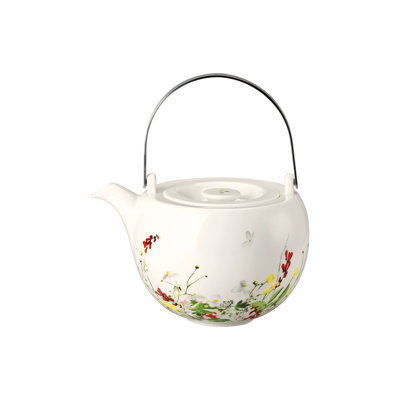
The design for Fleurs Sauvages draws on the sensations of blooming flowers, the humming of insects, delicate leaves, and cool grass to give the overall impression of a walk in a summer paradise. Inspired by the glorious harmony of the different plants in a flower meadow, Swiss textile designer Regula Stüdli came up with an arrangement of wildflowers and intricate twigs, scattered haphazardly and in striking contrast to the green leaves and white blossoms.
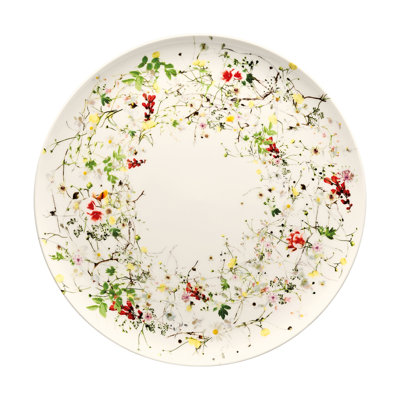
Swiss textile designer Regula Stüdli takes us on a walk through the lush herb garden. The new floral decor of Grand Air is as light and fresh as a natural experience in the fresh air. As if blown by the wind and combined by nature into a multicolored flower ensemble, spicy herbs, and edible blossoms arranged in small bunches, scattered loosely or arranged in circles to form ornaments, float freely over the Brillance form and merge with it to form a sensual whole. The almost transparent porcelain body underlines the elegance and lightness of the graceful floral decor. Fragrant herbs such as rosemary, thyme, and lavender, bright meadow flowers such as nasturtium and marigold combined with the filigree beauty of cosmea, come together with other edible wildflowers such as cornflower, pansies, and daisies in the picturesque flowerbed. Slightly poisonous flowers used as medicines glow a delicate pink. Service plates and bread plates in soft sage green provide freshness and tranquillity and contrast with the white bone china. Grand Air is a delightful play with nature and a feast for all the senses.

3 Colors, 5 Sizes
"Paper bag vase": Design by Tapio Wirkkala. With the paper bag vase dated 1972, Tapio Wirkkala turns the pop art culture that set the tone at the time into a subject of irony. He succeeded, tongue in cheek, in creating an object that not only became a Rosenthal classic but has also been produced unaltered now for all these years.
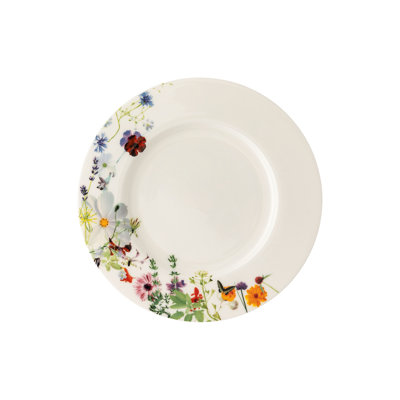
Swiss textile designer Regula Stüdli takes us on a walk through the lush herb garden. The new floral decor of Grand Air is as light and fresh as a natural experience in fresh air. As if blown by the wind and combined by nature into a flower ensemble, spicy herbs, and edible blossoms arranged in small bunches, scattered loosely or arranged in circles to form ornaments, float freely over the Brillance form and merge with it to form a sensual whole. The almost transparent porcelain body underlines the elegance and lightness of the graceful floral decor. Fragrant herbs such as rosemary, thyme, and lavender, bright meadow flowers such as nasturtium and marigold combined with the filigree beauty of cosmea, come together with other edible wildflowers such as cornflower, pansies, and daisies in the picturesque flowerbed. Slightly poisonous flowers used as medicines glow a delicate pink. Service plates and bread plates in soft sage green provide freshness and tranquillity and contrast with the white bone china. Grand Air is a delightful play with nature and a feast for all the senses.
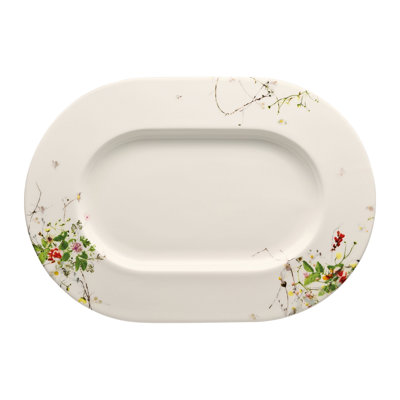
The design for Fleurs Sauvages draws on the sensations of blooming flowers, the humming of insects, delicate leaves, and cool grass to give the overall impression of a walk in a summer's paradise. Inspired by the glorious harmony of the different plants in a flower meadow, Swiss textile designer Regula Stüdli came up with an arrangement of wildflowers and intricate twigs, scattered haphazardly and in striking contrast to the green leaves and white blossoms.
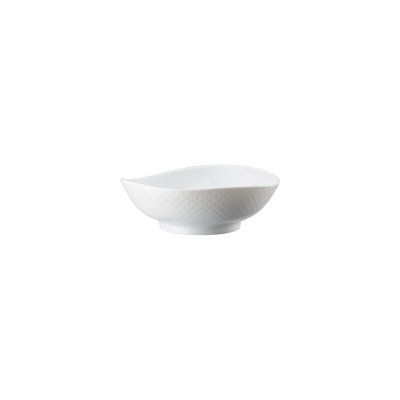
Rosenthal
Junto Porcelain Cereal Bowl
3 Colors
Eating together, having a good time, and celebrating life - the Junto design innovatively and playfully brings together people and their love of good food from all over the world. A subtle fusion of fine porcelain, sumptuous ceramics, and warm wood enables all manner of combinations for any cuisine. The fine porcelain features a delicate diamond relief. To provide an appropriate contrast to the fine porcelain, the collection also offers the major pieces as vibrant, earthy stoneware with a special reactive glaze.
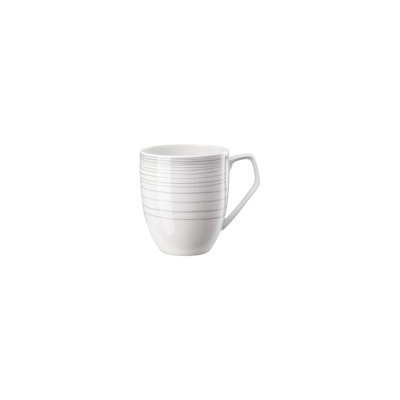
Rosenthal
TAC Stripes 2.0 Porcelain Coffee Mug
The stripes 2.0 line design is an homage to Walter Gropius, reinterpreted with a contemporary feel. His hand-drawn design appears more linear because there are bigger gaps between the individual lines. A new modern, urban, and simplistic design is brought to the classic TAC in mix and match, with matte and shiny surfaces and shimmering metallic parts. The design is supplemented by color and façade elements taken from the Rosenthal am Rothbühl porcelain factory, which was designed by Walter Gropius. For this, the Rosenthal Creative Centre took photographs of pieces of the legendary exposed concrete butterfly roof and placed them on a wall plate with a 3D effect. The collection’s accentuated red tone, which is depicted on the glass plates and as a dot on the porcelain, was inspired by a railing at the factory. The stripes 2.0 design draws on historical references, a building of immense appeal, and a unique mix of structures and materials that is characteristic of Bauhaus to capture the essence of the Bauhaus movement and its founder Walter Gropius and create an amalgamated statement of clarity and existence for the here and now.

The diverse landscape of the Alps and mountain pastures have fascinated Regula Stüdli since her childhood. Plants with a high degree of resilience used to greet her on her hikes up to the greatest heights. Inspired by this spectacular natural experience, the vibrant yet graceful flower decor was created, combining the beauty of the columbine, Alpine crocus, and star of Bethlehem with delicate leaves and twigs.
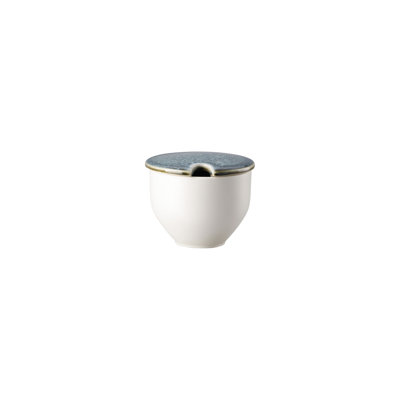
Rosenthal
Junto Stoneware Sugar Bowl
2 Colors
Eating together, having a good time and celebrating life – the Junto design innovatively and playfully brings together people and their love of good food from all over the world. A subtle fusion of fine porcelain, sumptuous ceramics and warm wood enables all manner of combinations for any cuisine. The fine porcelain features a delicate diamond relief. To provide an appropriate contrast to the fine porcelain, the collection also offers the major pieces as vibrant, earthy stoneware with a special reactive glaze.
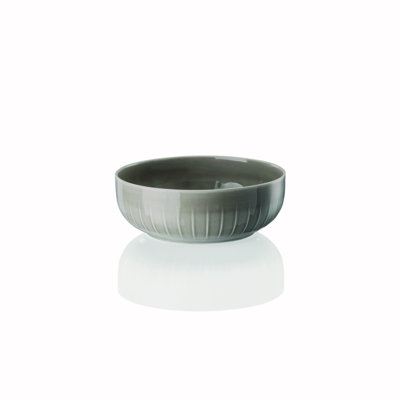
Rosenthal
Joyn Porcelain Cereal Bowl
2 Colors
This fine Arzberg dinnerware is called Joyn White. It is produced using the finest porcelain creating a style that is best described as casual and simple. The cereal bowl measures 6.25 inch and can hold up to 28 oz. of liquids. The most prominent color of this item is white. This piece is decorated with a most beautiful relief and makes you 'feel the difference'. The cereal bowl is sold as a single piece.
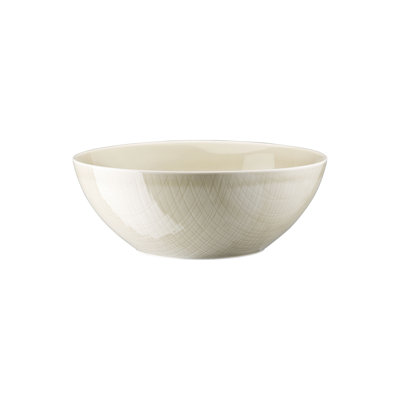
Rosenthal
Mesh Porcelain Salad Bowl
2 Colors
Every day brings new ideas, new opportunities, and new potential. In keeping with this spirit, Mesh – the modern dining collection from Rosenthal – lends a whole new meaning to the word "exibility" and succeeds in the art of effortlessly merging the seemingly contradictory. More than basic pieces can be combined and mixed as the mood takes you. The perfect interplay between soft and hard edges along with the delicate, stylish relief pattern lend the collection its unique character.
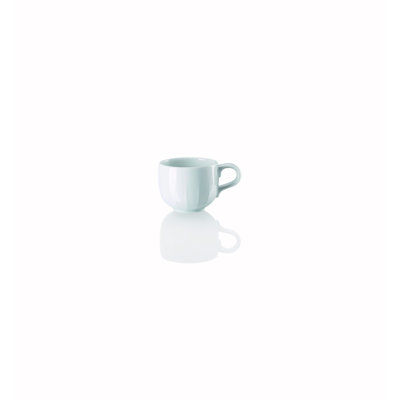
Rosenthal
Joyn Porcelain Teacup
(Set of 6)
Joyn reflects a contemporary thus simple and natural aesthetic, offering a casual and relaxed take on fine dining at home. The combination of wooden pieces and the porcelain gives it a light and natural thus urban and modern touch.
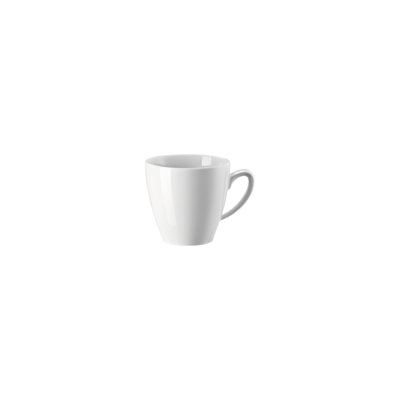
Rosenthal
Mesh Porcelain Coffee Mug
Every day brings new ideas, new opportunities, and new potential. In keeping with this spirit, Mesh – the modern dining collection from Rosenthal – lends a whole new meaning to the word "exibility" and succeeds in the art of effortlessly merging the seemingly contradictory. More than basic pieces can be combined and mixed as the mood takes you. The perfect interplay between soft and hard edges along with the delicate, stylish relief pattern lend the collection its unique character.
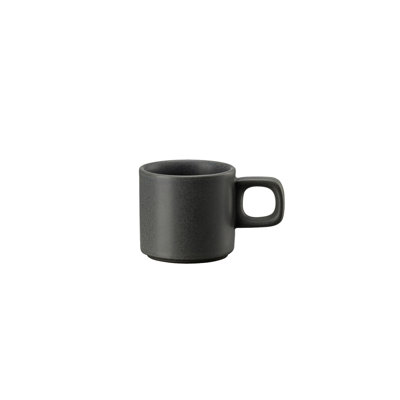
Rosenthal
Bloom - Espresso Cup 3 1/2 Oz
2 Colors
Flower shapes take center stage in this new line from Rosenthal. Bowls and dishes are reminiscent of open hibiscus flower heads, while plates and cups are mostly puristically round in this Asian-inspired porcelain tableware collection. The irregularly applied, very matte colored glaze gives the items the touch of handcrafted stoneware and makes each product unique. Special eye-catchers are a jar with a lid, bowls with a foot, a pourer, or small bowls in shapes inspired by nature. Simple, white glazed plates and cups—also partly in flower shapes—complete the line.
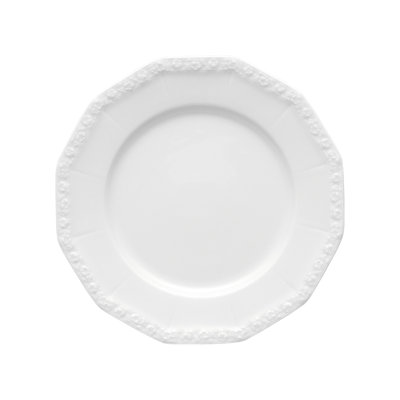
Rosenthal
Maria Porcelain Dinner Plate
3 Colors
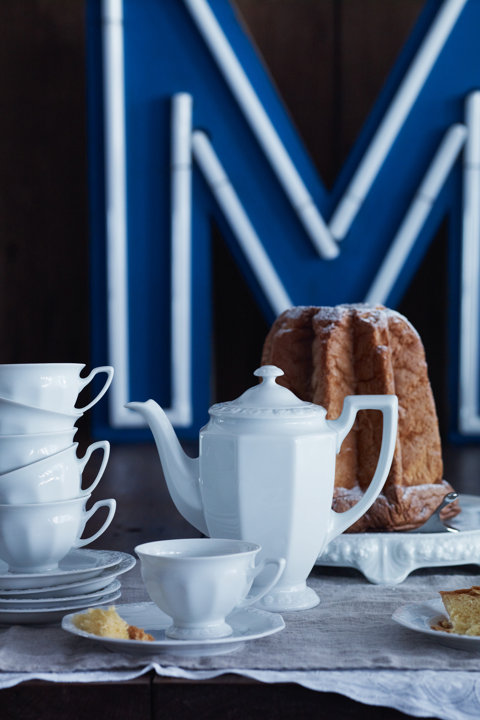
Some love stories are so beautiful that they are hard to believe. Like the one between Philipp Rosenthal and his wife Maria. It so happens that the privy councilor was so infatuated with her that he quickly named a porcelain set after her without knowing that it would one day become a best-seller, selling millions of copies. To this day Maria remains one of the most extensive tableware collections with around 100 pieces. Its classic form and the elegant relief around the rim make it a stand-out collection. "Maria" is a classic service that has already become a legend. For generations, it was the porcelain of choice at weddings and other celebrations. The model for its characteristic shape was a silver teapot dating back to around 1815, which company founder Philipp Rosenthal brought back from England and had remade in porcelain in honor of his wife, the French Countess Maria de Bourges.
Anonymous. Thu May 14 2026

Rosenthal
Suomi Porcelain Espresso Cup
Smooth to the touch like a pebble that has been eroded by the tide – this is how Suomi feels. Designed for the studio line, it is the organic form combined with white porcelain and metal that makes this design so exciting. "I wanted to create a design that was timeless, brought joy, and conjured up memories over generations," the Finnish designer once stated in an explanation of his design. Suomi reflects a design tradition that effortlessly outlives the spirit of the times thanks to its clear and functional style.
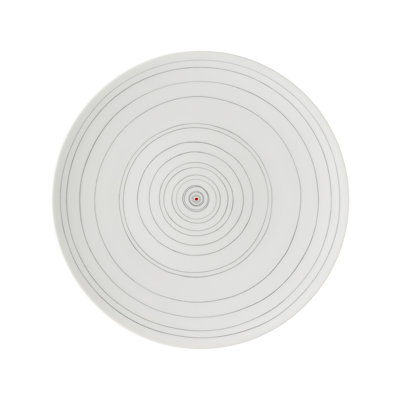
The stripes 2.0 line design is an homage to Walter Gropius, reinterpreted with a contemporary feel. His hand-drawn design appears more linear because there are bigger gaps between the individual lines. A new modern, urban, and simplistic design is brought to the classic TAC in mix and match, with matte and shiny surfaces and shimmering metallic parts. The design is supplemented by color and façade elements taken from the Rosenthal am Rothbühl porcelain factory, which was designed by Walter Gropius. For this, the Rosenthal Creative Centre took photographs of pieces of the legendary exposed concrete butterfly roof and placed them on a wall plate with a 3D effect. The collection’s accentuated red tone, which is depicted on the glass plates and as a dot on the porcelain, was inspired by a railing at the factory. The stripes 2.0 design draws on historical references, a building of immense appeal, and a unique mix of structures and materials that is characteristic of Bauhaus to capture the essence of the Bauhaus movement and its founder Walter Gropius and create an amalgamated statement of clarity and existence for the here and now.
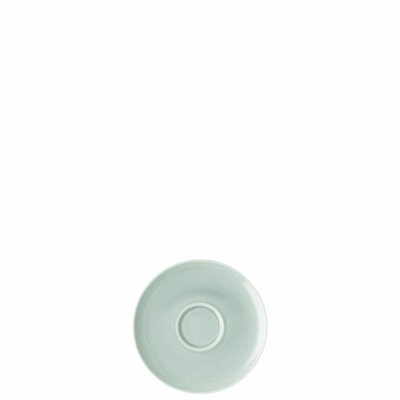
Rosenthal
TAC Porcelain Saucer
2 Colors
The TAC collection, an icon of Bauhaus design and developed by Walter Gropius, TAC Skin Gold is a graphic design in elegant gold. Sophisticated multiple finishing techniques give the flat pieces a fine relief structure, while top-quality screen-printed decoration gives hollow pieces such as the teapot a smooth, matte surface. Small overlapping leaves form a golden mosaic that sometimes extends across the entire surface of the plate and other times appears only as a contour adorning the edges. The new design therefore picks up on the theme of structure and contrast already visible in Gropius's original design and enhances the distinctive styling of the timeless classic that is among Rosenthal's best-selling tableware series.
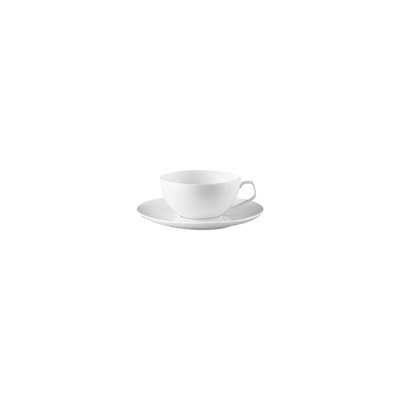
Rosenthal
TAC 02 White Porcelain Teacup
TAC 02 was created from Walter Gropius' unedited original designs. Purist design, based on simple geometric shapes, lends "TAC" a timeless poetry. Delicate ornamentation and stark black and white contrasts on the finest, slightly translucent porcelain emphasize the outstanding design features of this icon of Bauhaus design. TAC 02 offers a dinnerware, stemware, and tea service collection. The TAC collection, which was created in 1969 and named after Gropius’ Boston office 'The Architects Collaborative’, is one of the most successful porcelain series in the world. Its minimalist design, the use of simple hemispheres for both pot and cups, and the playfulness of triangle and square shapes all remain true to Bauhaus tradition.
Rosenthal
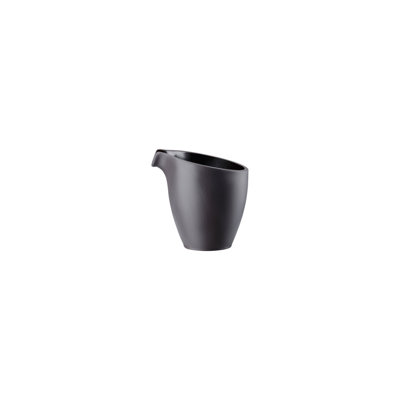
Junto Stoneware Creamer Bowl
3 Colors
Eating together, having a good time and celebrating life – the Junto design innovatively and playfully brings together people and their love of good food from all over the world. A subtle fusion of fine porcelain, sumptuous ceramics and warm wood enables all manner of combinations for any cuisine. The fine porcelain features a delicate diamond relief. To provide an appropriate contrast to the fine porcelain, the collection also offers the major pieces as vibrant, earthy stoneware with a special reactive glaze.
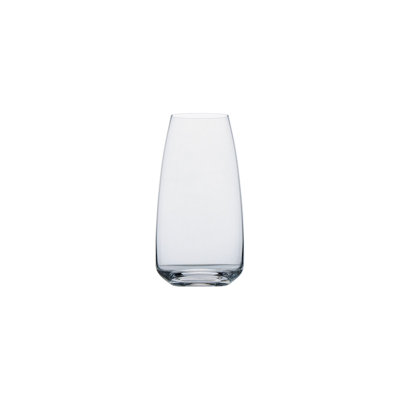
This marvelous Rosenthal stemware is called Tac 02. It is produced using the finest crystal creating a style that is best described as modern and design-oriented. The most prominent color of this item is crystal. The highball is sold as a single piece.
Rosenthal
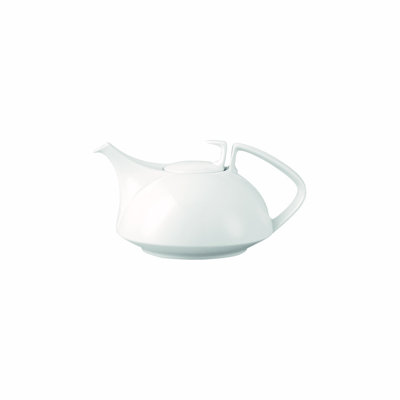
TAC Porcelain Teapot
2 Colors, 2 Sizes
TAC 02 was created from Walter Gropius' unedited original designs. Purist design, based on simple geometric shapes, lends "TAC" a timeless poetry. Delicate ornamentation and stark black and white contrasts on the finest, slightly translucent porcelain emphasize the outstanding design features of this icon of Bauhaus design. TAC 02 offers a dinnerware, stemware, and tea service collection. The TAC collection, which was created in 1969 and named after Gropius Boston office 'The Architects Collaborative', is one of the most successful porcelain series in the world. Its minimalist design, the use of simple hemispheres for both pot and cups, and the playfulness of triangle and square shapes all remain true to Bauhaus tradition.